

Copy trading is commonly used in financial markets such as Forex, cryptocurrency, and commodities, often serving as a practical complement to Forex Education by allowing less-experienced investors to observe and learn from the strategies of seasoned market participants.
TP & SL Tool: Risk Reward Ratio Calculator RRR MT5 | Prop Firm Protector: Trade Assist Prop Firm Plus TF Expert MT5 | Money Management + DrawDown Protector: Trade Panel Prop Firm Drawdawn Limiter Pro MT5 |Get a free Expert Advisor license via Telegram and WhatsApp
Is Copy Trading Legal?
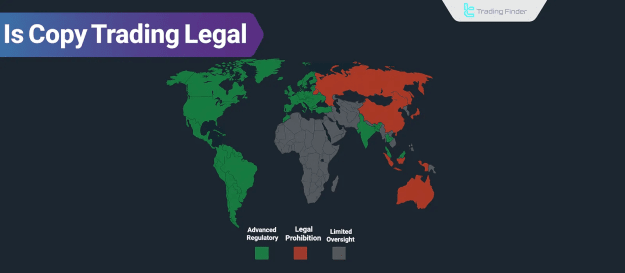
The legality of copy trading is not universal. It depends on the regulatory framework governing financial services in each specific jurisdiction. In countries with established financial regulation, copy trading is permitted under strict licensing conditions. Conversely, in others, it may be restricted or outright prohibited.
Countries With Strong Regulatory Oversight
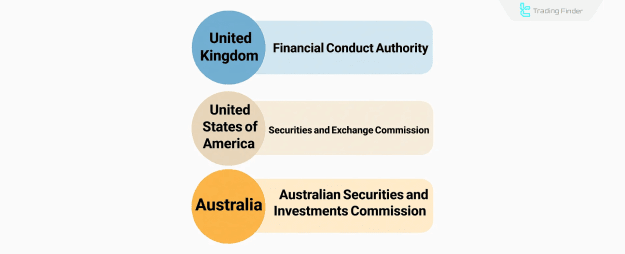
In jurisdictions with well-developed financial systems, copy trading is considered legal, provided that the service is offered by licensed and regulated platforms. These include:
- United States: Platforms must be registered with the SEC (Securities and Exchange Commission) or CFTC (Commodity Futures Trading Commission).
- United Kingdom: Regulated by the FCA (Financial Conduct Authority).
- European Union: Permitted under the MiFID directive, requiring compliance with transparency, disclosure, and investor protection standards.
- Australia: Overseen by the ASIC (Australian Securities and Investments Commission).
Key advantages of regulated platforms:
- Verified trader performance and audit trails
- Mandatory risk disclosure and user protections
- Formal dispute resolution mechanisms
- Clear licensing and compliance requirements
Countries With Limited or Ambiguous Regulation
In several countries, copy trading exists in a regulatory gray area, where neither approval nor prohibition is clearly stated in the law. Notable examples include:
- India: Lacks explicit regulatory guidelines. Users depend on foreign or offshore platforms, which operate without oversight.
- United Arab Emirates (UAE): No official framework exists, leading to the presence of both regulated and unregulated service providers.
Key risks in such jurisdictions:
- No legal definition or standard for copy trading
- Widespread use of unlicensed offshore platforms
- Absence of complaint or recourse mechanisms
- Lack of supervision over international transactions
Countries With Legal Restrictions or Prohibition
Certain countries have placed explicit legal bans or severe restrictions on copy trading activities, often requiring special authorization to operate legally. These include:
- Japan: Platforms must hold an official investment advisory license issued by the FSA (Financial Services Agency).
- China: Heavily restricts copy trading through domestic platforms.
- South Korea: Imposes limitations under specific financial conduct laws.
Challenges in restricted jurisdictions:
- Criminal liability for unauthorized operations
- Need for highly specific and regulated licenses
- Platform access blocked or filtered by local authorities
- Risk of prosecution for unlicensed individuals or firms
Dangers of Using Unlicensed Copy Trading Platforms
Engaging with copy trading platforms that are not licensed by reputable financial authorities presents several risks, including:
- Misuse of KYC data
- Ponzi-like schemes or fraudulent signal providers
- No protection of funds or user identity
- No legal course of action if the platform defaults or ceases operations
The absence of regulatory supervision leaves users highly vulnerable to misconduct or financial loss.
Conclusion
To directly answer the question: “Is copy trading legal?”
It depends on three core factors:
- The user's country of residence
- The platform selected
- Whether the platform is licensed by recognized regulatory authorities
In countries like the USA, UK, EU, and Australia, copy trading is legal only when conducted through regulated platforms. In other regions, the legality is either uncertain or copy trading is prohibited altogether. Users are strongly advised to verify the regulatory status of any copy trading provider before engaging in such services.