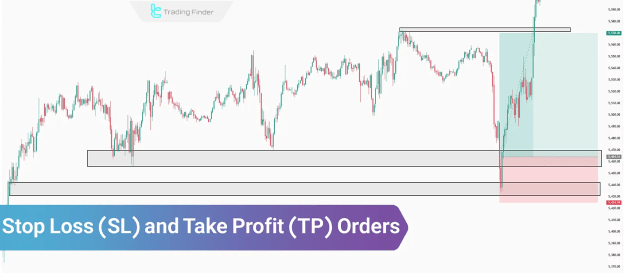


- Take Profit (TP): Automatically closes a trade at a favorable price when the market moves in the predicted direction.
- Stop Loss (SL): Closes a trade to prevent further losses if the price moves against the initial analysis.
These tools support risk control and capital preservation, essential for long-term success in financial markets.
TP & SL Tool: Risk Reward Ratio Calculator RRR MT4 | Prop Firm Protector: Trade Assist Prop Firm Plus TF Expert MT4 | Money Management + DrawDown Protector: Trade Panel Prop Firm Drawdawn Limiter Pro MT4 |Get a free Expert Advisor license via Telegram and WhatsApp
What Is Stop Loss?
Stop loss is a risk management mechanism that exits a position when market movement contradicts the trader’s initial outlook. It is a pre-set order that prevents excessive loss.
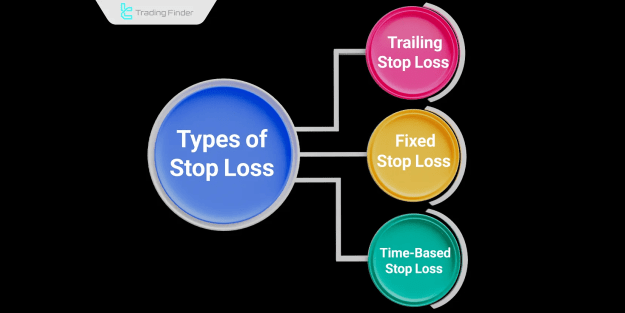
Types of Stop Loss
Different types of stop loss orders are used depending on trading strategy and market conditions:
Trailing Stop Loss
- Adjusts automatically as the price moves in a favorable direction.
- Remains fixed if the market reverses.
- Allows profit-locking without manual trade monitoring.
Fixed Stop Loss
- Predetermined risk percentage is calculated before trade entry.
- SL is set at a price level where the defined risk is realized.
- Ensures consistent capital protection per trade.
Time-Based Stop Loss
- Trades are closed at a specified time or session end, irrespective of price.
- Suitable for strategies focused on optimal trading hours or high-liquidity sessions.
What Is Take Profit?
A take profit order automatically exits a trade once the price reaches a favorable target. This locks in gains and credits them to the trader’s account.
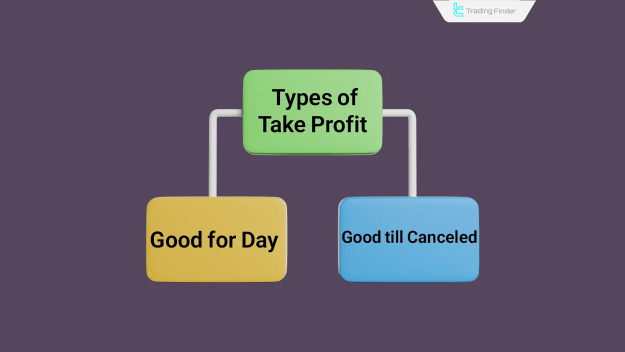
Types of Take Profit Orders
Take profit strategies vary based on trade duration and analysis type:
- Good for Day (GFD): Expires if the price target is not met within the trading day.
- Good till Canceled (GTC): Remains active until the target is reached or manually canceled.
Advantages and Disadvantages of SL and TP
Stop loss and take profit orders contribute to disciplined trading but also introduce certain limitations.
Advantages:
- Improve capital and risk management
- Enable strategic performance tracking
- Prevent substantial losses
- Help define risk-to-reward ratios
Disadvantages:
- Limit profit potential on strong trades
- Susceptible to stop hunting
- May trigger at unfavorable prices during volatility
- Risk of early stop-out despite correct market direction
How to Calculate Stop Loss and Take Profit
SL and TP levels depend on the type of analysis applied:
Fundamental Analysis
- Evaluates an asset's intrinsic value based on economic, financial, and political data.
- SL and TP are determined relative to calculated fair value deviation.
Technical Analysis
- Analyzes historical price behavior and liquidity zones.
- SL is set below support levels, and TP above resistance levels based on chart structure.
Practical Examples of SL and TP Placement
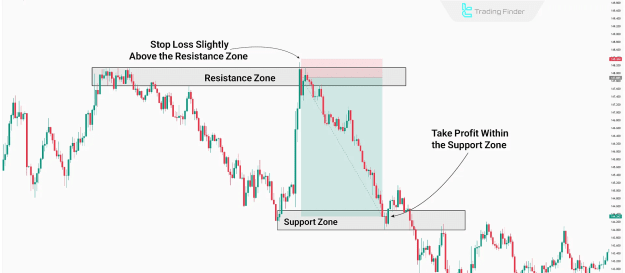
In a scenario where the price reaches a resistance zone and forms a reversal pattern:
- Stop Loss: Positioned above the resistance zone and the wick of the last bullish candle.
- Take Profit: Placed within the first valid support zone below the current price.
Importance and Application of SL and TP
Stop loss and take profit orders are essential tools for maintaining long-term account growth.
Capital Management
- Defines how much capital is at risk in a single trade.
- Determines how much profit can be added if the trade is successful.
Risk Management
- Controls exposure to uncertain market conditions.
- Enhances reliability in strategy evaluation.
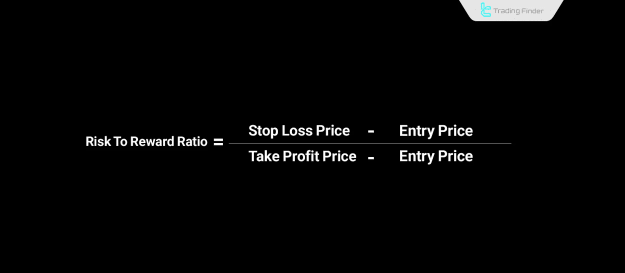
Risk-to-Reward Ratio
Risk-to-reward ratio is a core component of trade planning:
Risk-to-Reward Ratio = Potential Loss / Potential Gain
A ratio above 1:1 is generally recommended to maintain a favorable trade expectancy.
Set and Forget Trading System
This strategy involves defining both SL and TP levels at trade entry. The trade is left unattended, and market movements determine its outcome.
- Simplifies trade execution
- Reduces emotional interference
- Promotes consistency in decision-making
Combining SL and TP with Technical Indicators
Using technical indicators enhances the accuracy of SL and TP placement.
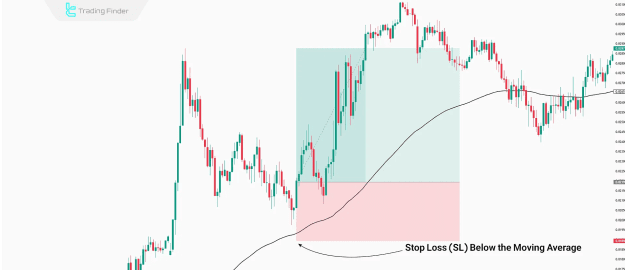
Moving Averages
- Acts as dynamic support or resistance.
- SL is placed opposite to the price's direction relative to the moving average line.
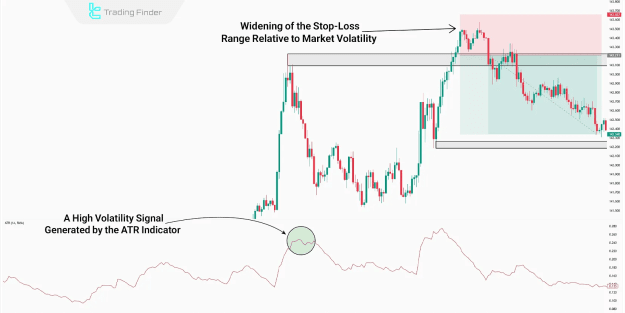
Average True Range (ATR)
- Measures market volatility.
- High ATR values suggest wider SL/TP levels to accommodate price swings.
Common Mistakes in Setting SL and TP
Inaccurate placement can result in premature stop-outs, even with valid market analysis.
Frequent errors include:
- Relying on a single time frame
- Ignoring liquidity direction
- Emotional trade entries without confirmation
- Setting SL too close to entry
- Placing SL within high-traffic support/resistance zones
Conclusion
Stop loss and take profit orders are vital components of a structured trading strategy.
- SL protects capital by limiting downside risk.
- TP ensures that profits are realized at predefined levels.
By incorporating SL and TP into every trade and combining them with technical and fundamental tools, traders can systematically manage risk and improve long-term performance.