

TP & SL Tool: Risk Reward Ratio Calculator RRR MT4 | Prop Firm Protector: Trade Assist Prop Firm Plus TF Expert MT4 | Money Management + DrawDown Protector: Trade Panel Prop Firm Drawdawn Limiter Pro MT4 |Get a free Expert Advisor license via Telegram and WhatsApp
What Is a Recession?
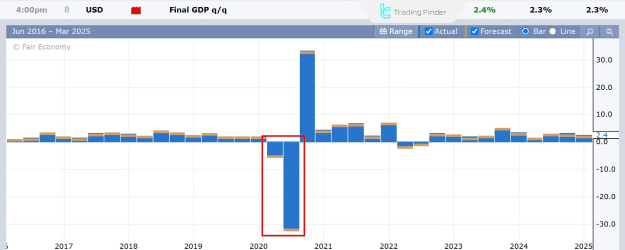
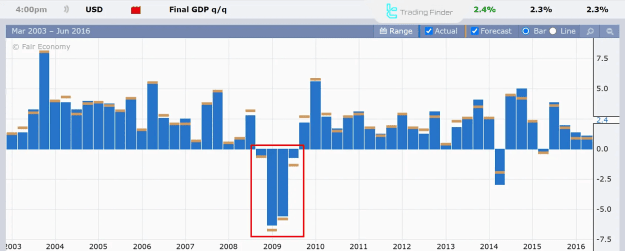
By formal definition, a recession occurs when an economy records negative growth in gross domestic product (GDP) for two consecutive quarters. During this time:
- GDP declines significantly
- Businesses reduce operations and lay off employees
- Unemployment rises sharply
- Wage growth stagnates
- Consumer spending contracts
- Confidence in the economy diminishes
Negative Effects of Economic Recession
- Rising Unemployment: Lower demand compels businesses to downsize their workforce
- Stagnant Wage Growth: A sluggish labor market curbs income growth
- Reduced Consumer Spending: Job losses and falling wages lower aggregate demand
- Decline in Confidence: Public trust in future economic conditions deteriorates
- Higher Savings Rates: Consumers prioritize savings amid uncertainty, further suppressing demand
Causes of Economic Recessions
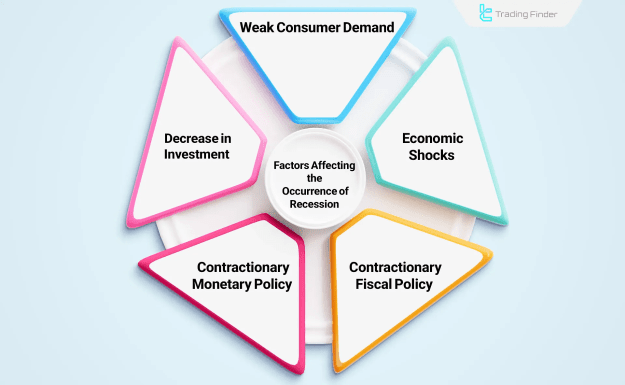
Several interlinked factors may lead to a recession, ranging from policy missteps to external shocks:
Contractionary Monetary Policy
- Central banks may raise interest rates to combat inflation, but prolonged rate hikes reduce liquidity and discourage business borrowing.
- Tighter credit conditions ultimately suppress investment and consumption.
Fiscal Policy Measures
- Increases in taxes or cuts in government spending can reduce aggregate demand.
- Austerity measures can slow economic activity and investment.
Currency Appreciation
- A persistently strong currency can erode export competitiveness.
- Countries such as Japan and Switzerland have experienced stagnation due to long-term currency strength.
Economic Shocks
Unexpected events can push economies into recession:
- Geopolitical conflicts
- Supply chain disruptions
- Global pandemics (e.g., COVID-19)
Historical Examples of Major Recessions
The 2008 Financial Crisis
Originating from excessive risk-taking in the U.S. mortgage sector, the 2008 crisis caused a sharp economic downturn worldwide:
- Adjustable-rate mortgage defaults surged as interest rates increased
- Financial institutions collapsed or required bailouts
- Unemployment spiked, and housing markets crashed
- Recovery required unprecedented monetary easing and banking reforms
Japan's Lost Decade
In the early 1990s, Japan faced a prolonged recession due to:
- The appreciation of the yen following the Plaza Accord
- Sharp interest rate hikes by the Bank of Japan
- Bursting of asset bubbles in real estate and equities
- Persistent deflation and low productivity growth
How to Overcome a Recession
Governments and central banks respond with expansionary monetary and fiscal strategies to stimulate economic activity.
Expansionary Monetary Policy
Central banks increase market liquidity using tools such as:
- Interest Rate Cuts: Lower borrowing costs promote investment and spending
- Quantitative Easing (QE): Central banks purchase government bonds to inject liquidity
- Reserve Requirement Reductions: Banks can lend more, boosting credit flow
Expansionary Fiscal Policy
Governments support economic recovery through:
- Public Expenditure: Infrastructure projects generate jobs and stimulate demand
- Tax Reductions: Increased disposable income encourages consumer spending and investment
- Support for Industry: Incentives for production and innovation drive productivity
Political Stabilization
Economic uncertainty often stems from political instability. Ensuring a stable political environment helps:
- Boost consumer and investor confidence
- Attract foreign capital inflows
- Enhance long-term economic resilience
Recession Forecasting Indicators
While recessions are inherently difficult to predict, several economic indicators serve as early warning signals.
Purchasing Managers’ Index (PMI)
A drop in PMI reflects weakening manufacturing and services activity, often preceding a slowdown.
Labor Market Data
- Declines in metrics like Non-Farm Payrolls (NFP), unemployment rates, and ADP job reports signal labor market stress.
Consumer Sentiment
Low consumer confidence—captured in sentiment surveys—points to reduced consumption and economic pessimism.
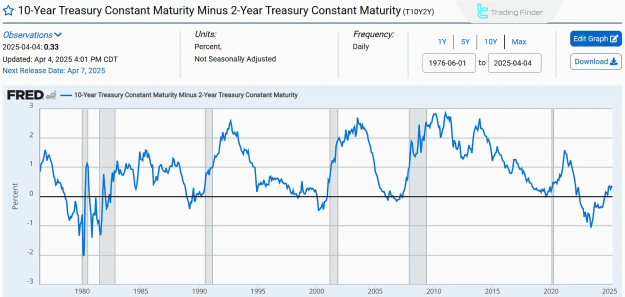
Yield Curve Inversion
- An inverted yield curve (when long-term bond yields fall below short-term ones) is historically a reliable recession signal.
- It reflects market expectations of economic downturns and future rate cuts.
Assets That Perform Well During Recessions
In times of economic contraction, risk assets typically underperform, while safe-haven assets gain popularity.
Gold and Precious Metals
- Limited supply and inflation resistance make gold a preferred store of value
- Lower interest rates further support rising gold prices
- Silver and platinum share similar traits, though they are more volatile due to industrial applications
Government Bonds
- Treasuries are considered low-risk and gain demand during market turmoil
- Governments are generally able to meet bond obligations, even during crises
Safe-Haven Currencies
- Currencies such as the U.S. Dollar (USD), Japanese Yen (JPY), and Swiss Franc (CHF) tend to appreciate during recessions
- Investors shift to these currencies amid global risk aversion and falling inflation
Conclusion
A recession represents a challenging phase in the economic cycle marked by declining demand, rising unemployment, and reduced production. It can stem from various causes such as restrictive monetary policies, fiscal tightening, or unforeseen economic shocks.
To combat recessions, central banks and governments implement supportive policies designed to restore growth. During such periods, investors shift to lower-risk assets such as gold, bonds, and safe-haven currencies as part of risk-averse strategies.