

TP & SL Tool: Risk Reward Ratio Calculator RRR MT4 | Prop Firm Protector: Trade Assist Prop Firm Plus TF Expert MT4 | Money Management + DrawDown Protector: Trade Panel Prop Firm Drawdawn Limiter Pro MT4 |Get a free Expert Advisor license via Telegram and WhatsApp
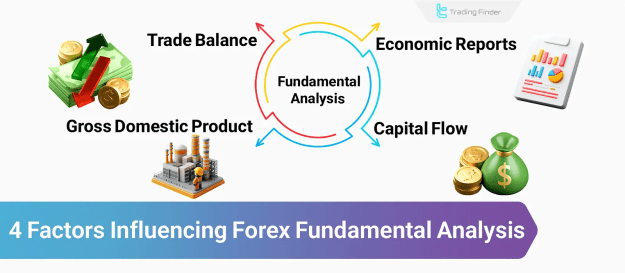
4 Key Factors in Forex Fundamental Analysis
1. Economic Data and Reports
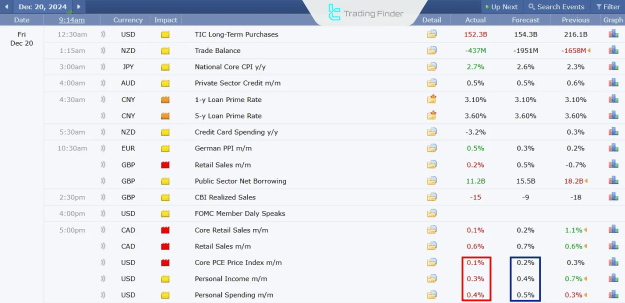
Economic reports are critical in forex trading as they create market volatility based on deviations from forecasts. These reports are categorized into three main types:
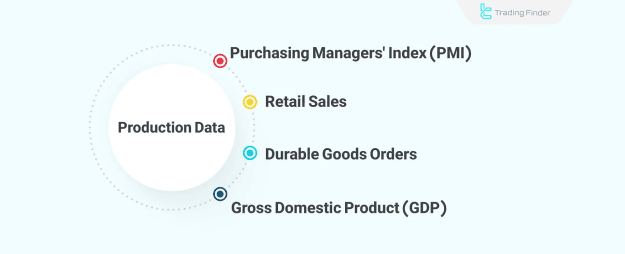
Production Data
Production data reflects the health of a country's manufacturing sector, directly impacting economic growth and employment. Key indicators include:
- Purchasing Managers’ Index (PMI): A survey of procurement managers assessing employment, inflation, and sales. (Higher-than-expected PMI strengthens the currency.)
- Retail Sales: Measures consumer demand in the retail sector. (Higher sales indicate economic strength, boosting the currency.)
- Durable Goods Orders: Tracks orders for long-lasting factory equipment. (Increased orders signal economic expansion.)
- Gross Domestic Product (GDP): The primary measure of economic growth. (Higher GDP growth strengthens the currency.)
Employment Data
A strong labor market fuels consumer demand, influencing monetary policy. Key employment indicators:
- Non-Farm Payrolls (NFP): Measures U.S. job growth outside agriculture. (Higher NFP strengthens the USD.)
- Unemployment Rate: Percentage of job-seekers without employment. (Higher unemployment weakens the currency.)
- Unemployment Claims: Tracks new jobless benefit applications. (Rising claims indicate economic weakness.)
Inflation Data
Central banks prioritize inflation control, making inflation reports highly market-sensitive. Major indicators:
- Consumer Price Index (CPI): Measures price changes in a basket of goods. (Higher CPI may lead to rate hikes, strengthening the currency.)
- Core CPI: Excludes volatile food and energy prices.
- Producer Price Index (PPI): Tracks raw material inflation, a precursor to consumer inflation.
- Personal Consumption Expenditures (PCE): The Federal Reserve’s preferred inflation gauge.
2. Economic Growth (GDP) and Forex Impact
GDP represents a nation’s total economic output. Strong GDP growth signals a healthy economy, attracting foreign investment and increasing currency demand.
- GDP Above Forecasts: Currency appreciates.
- GDP Below Forecasts: Currency depreciates.
Key GDP components influencing forex:
- Trade balance
- Consumer demand
- Government spending
- Capital flows
- Business investment
3. Capital Flows: Foreign Investment and Currency Demand
Capital flows refer to cross-border investments, categorized as:
- Foreign Direct Investment (FDI): Long-term investments in assets like real estate and businesses.
- Portfolio Investment: Short-term investments in stocks, bonds, and securities.
Impact on Currency:
- Capital Inflows: Increased demand for a currency strengthens it (e.g., foreign investors buying U.S. bonds boosts the USD).
- Capital Outflows: Selling pressure weakens the currency.
4. Trade Balance: Exports vs. Imports
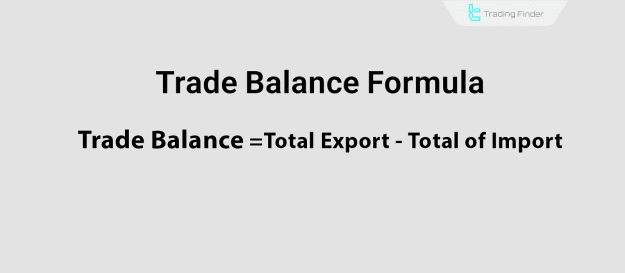
The trade balance measures the difference between a country’s exports and imports:
- Trade Surplus: Exports exceed imports, strengthening the currency.
- Trade Deficit: Imports exceed exports, weakening the currency.
Factors Affecting Trade Balance:
- Exchange Rates: A weaker domestic currency can boost exports.
- Commodity Prices: Affects export-driven economies (e.g., oil-exporting nations).
- Economic Growth: Higher growth increases import demand.
Conclusion
Mastering Fundamental Analysis in Forex
Successful forex trading requires a deep understanding of economic reports, GDP trends, capital flows, and trade balances. By monitoring these factors, traders can anticipate currency movements and make informed decisions. Continuous analysis of economic data helps identify both short-term volatility and long-term trends, providing a strategic edge in the forex market.