

TP & SL Tool: Risk Reward Ratio Calculator RRR MT5 | Prop Firm Protector: Trade Assist Prop Firm Plus TF Expert MT5 | Money Management + DrawDown Protector: Trade Panel Prop Firm Drawdawn Limiter Pro MT5 |Get a free Expert Advisor license via Telegram and WhatsApp
What Is the Forex Market?
The Forex (foreign exchange) market is a decentralized global marketplace for trading currency pairs. For instance, the EUR/USD pair reflects the Euro against the US Dollar. Buying this pair means purchasing the Euro while selling the Dollar.
Forex trading is typically executed through CFD (Contract for Difference) arrangements, allowing traders to speculate on price movements without owning the underlying asset. Profits and losses are derived from fluctuations in currency pair prices.
Forex Market Makers
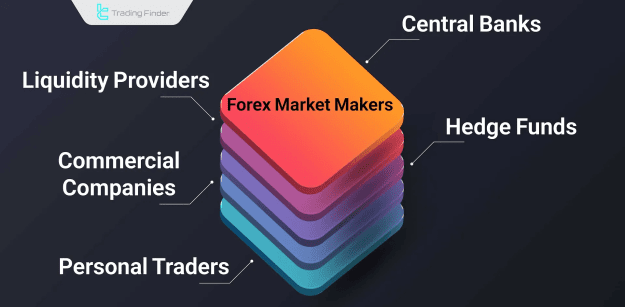
The liquidity in Forex is largely provided by key market participants including:
- Central banks
- Liquidity providers
- Hedge funds
- Commercial institutions
- Retail traders
These entities contribute to the market's high liquidity and 24-hour availability.
What Is the Stock Market?
In the stock market, participants buy and sell ownership shares of publicly traded companies. For example, purchasing Apple shares gives the investor partial ownership in the company and exposure to its profits and losses. Unlike Forex, this form of trading involves actual asset ownership.
Key Differences Between Forex and Stock Markets
Nature of Trading Instruments
- Forex: Involves trading currency pairs like EUR/USD, GBP/JPY, etc.
- Stocks: Involves buying and selling company shares, such as Apple or Tesla.
Trading Hours
- Forex Market: Operates 24 hours a day, five days a week, starting from Monday 00:00 (UTC) to Friday 23:59 (UTC).
- Stock Market: Trading hours vary by exchange, typically starting between 8:00 AM and 9:30 AM and closing around 3:00 PM to 5:30 PM, Monday to Friday.
Leverage
- Forex: Offers high leverage, typically up to 1:500, and in some regions even up to 1:1000. However, leverage is strictly regulated in certain jurisdictions such as Europe, where the cap for retail traders is 1:30.
- Stocks: Offers significantly lower leverage, usually ranging from 1:2 to 1:10. Higher leverage is occasionally available through CFDs or margin accounts.
Asset Diversity
In the Forex Market:
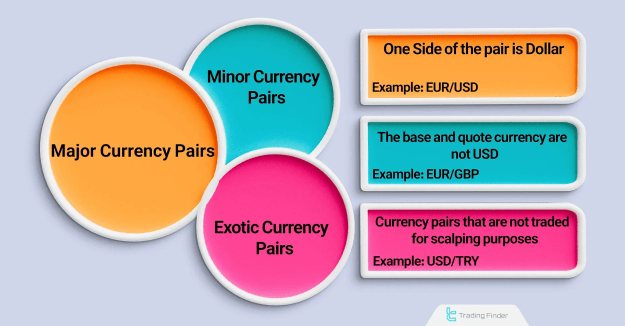
- Major Pairs: Most traded and include USD (e.g., EUR/USD)
- Minor Pairs: Less commonly traded (e.g., EUR/GBP)
- Exotic Pairs: Involve one major currency and one from an emerging economy (e.g., USD/TRY)
In the Stock Market:
- Company Shares: Partial ownership in corporations
- Commodities: Includes agricultural products, metals, and natural resources
- ETFs (Exchange-Traded Funds): Funds that track various indexes, commodities, or sectors and provide diversification
Fundamental Analysis Approach
In Forex:
Fundamental analysis focuses on macroeconomic indicators such as:
- Interest rate decisions
- Central bank policy
- Inflation reports
- Political events (elections, geopolitical tensions)
These factors influence the relative value of currencies in the global market.
In Stocks:
Stock traders consider both macroeconomic and microeconomic factors, including:
- Economic indicators (GDP growth, employment figures)
- Company financial statements (revenue, net income, earnings per share)
- Sector-specific conditions and competitive positioning
This dual-layered analysis is critical to determining a stock’s intrinsic value.
Liquidity and Market Depth
- Forex Market: With a daily trading volume exceeding $7 trillion, Forex is the most liquid financial market globally. High liquidity results in narrow spreads and efficient execution.
- Stock Market: Liquidity varies widely across individual stocks. Blue-chip stocks typically have deep market depth, while smaller-cap stocks may experience lower liquidity and higher volatility.
Trading Costs: Spread, Commission, Swap, and Taxes
- Forex Trading: Generally involves lower spreads, no commissions at many brokers, and swap fees for holding positions overnight.
- Stock Trading: May involve higher spreads and trading commissions. Taxes may also apply, depending on the jurisdiction and account type.
Price Volatility
- Forex Market: Subject to high volatility due to global news, economic releases, and central bank interventions.
- Stock Market: Volatility depends on the stock, sector, and broader market conditions. Price limits are imposed in some exchanges to reduce risk.
Conclusion
Both Forex and stock markets offer unique benefits and risks.
If you are seeking:
- High leverage
- 24/5 trading availability
- Exposure to global macroeconomic trends
- then Forex trading may be a better fit.
However, if you:
- Prefer long-term investing
- Are skilled in financial statement analysis
- Want ownership in companies with dividend potential
- then the stock market may offer more aligned opportunities.
Understanding the structural differences between these two financial markets is essential to choosing the right trading strategy and risk profile.