

TP & SL Tool: Risk Reward Ratio Calculator RRR MT5 | Prop Firm Protector: Trade Assist Prop Firm Plus TF Expert MT5 | Money Management + DrawDown Protector: Trade Panel Prop Firm Drawdawn Limiter Pro MT5 |Get a free Expert Advisor license via Telegram and WhatsApp
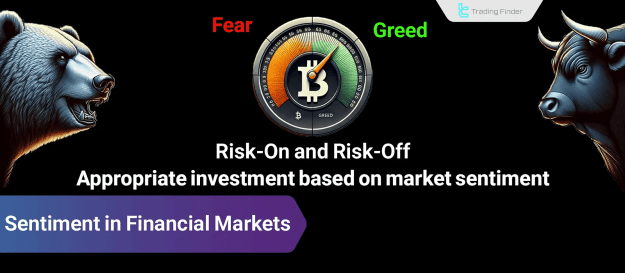
Risk-On Sentiment: Greed and High-Risk Appetite
Risk-on sentiment emerges when traders are confident in economic growth and willing to invest in volatile assets. This optimism is typically driven by:
- Expansionary monetary policies (low interest rates, quantitative easing).
- Strong economic data (GDP growth, low unemployment).
- Reduced market uncertainty (positive geopolitical developments).
Assets That Thrive in Risk-On Markets
- Stocks (especially growth and tech sectors).
- Cryptocurrencies (Bitcoin, Ethereum).
- Commodity-linked currencies (AUD, NZD, CAD).
Example of Risk-On Sentiment
When inflation declines and central banks signal rate cuts, traders shift capital toward equities and crypto, anticipating higher returns.
Risk-Off Sentiment: Fear and Safe-Haven Demand
Risk-off sentiment dominates during periods of economic instability or heightened uncertainty. Traders seek capital preservation, leading to:
- Flight to safety (gold, bonds, stable currencies).
- Selling risky assets (stocks, crypto).
- Increased volatility (VIX spike).
Key Triggers of Risk-Off Sentiment
- Recession fears (weak GDP, rising unemployment).
- Geopolitical tensions (wars, trade conflicts).
- Hawkish central banks (rate hikes, liquidity tightening).
Example of Risk-Off Sentiment
If inflation remains stubbornly high, delaying expected rate cuts, traders may dump stocks and buy USD, JPY, or gold.
How to Identify Market Sentiment
Traders use multiple indicators to gauge market mood:
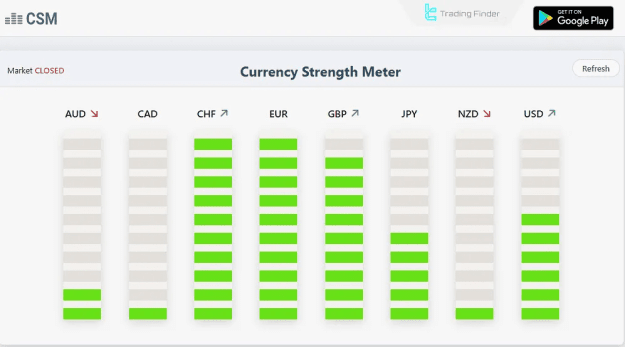
1. Currency Strength Analysis
- Risk-on currencies (AUD, CAD, NZD) strengthen in bullish markets.
- Safe-haven currencies (USD, JPY, CHF) gain during risk-off phases.
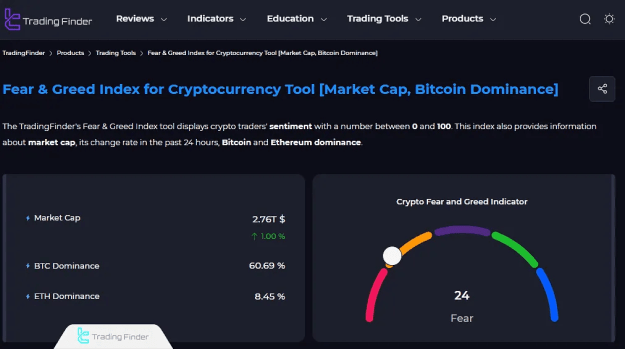
2. Cryptocurrency Fear & Greed Index
- Extreme Fear (0-25): Potential buying opportunity.
- Extreme Greed (75-100): Overbought, possible correction.
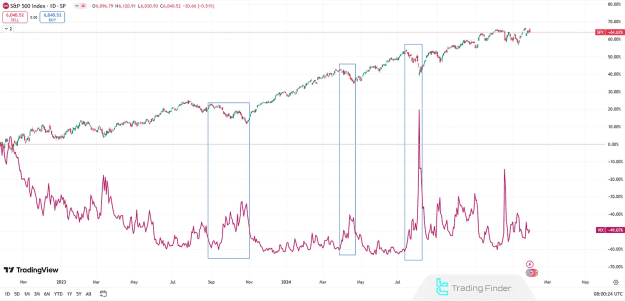
3. VIX (Volatility Index)
- Rising VIX: Indicates fear and market stress.
- Falling VIX: Reflects confidence and stability.
Can Markets Lack a Clear Sentiment?
Yes, markets sometimes trade neutrally when no major economic or geopolitical catalysts exist. In such cases, price action follows technical trends rather than sentiment-driven shifts.
Conclusion
Market sentiment is a powerful force shaping asset prices. By monitoring:
- Economic data
- Central bank policies
- Fear & greed indicators
Traders can align their strategies with prevailing market psychology, whether risk-on or risk-off. Tools like the VIX, Fear & Greed Index, and currency strength meters provide real-time sentiment insights, helping investors make informed decisions.