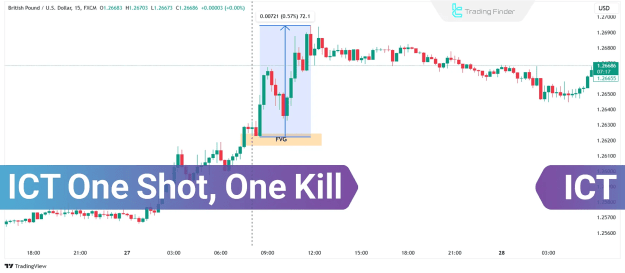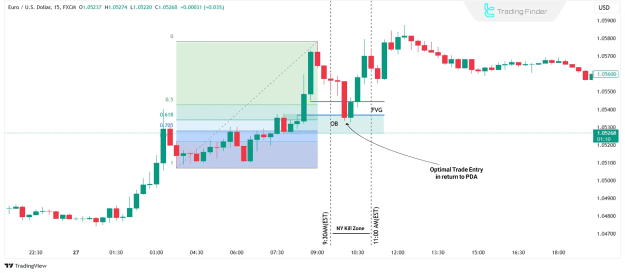


By utilizing this model, traders can minimize trade frequency and increase accuracy, following a structured, high-conviction approach.
One Shot One Kill Indicator:
One Shot One Kill Indicator MT4
One Shot One Kill Indicator MT5
What is the ICT One Shot, One Kill (OSOK) Strategy?
The ICT One Shot, One Kill (OSOK) trading strategy is built on the principles of smart money concepts and institutional order flow. This strategy emphasizes market precision, focusing on:
- Identifying weekly directional bias
- Pinpointing liquidity draws
- Entering trades during Kill Zones (London and New York sessions)
- Using Optimal Trade Entry (OTE) zones within Fibonacci retracements (61.8% – 78.6%)
The core objective is to capture institutional price moves by understanding market structure shifts and liquidity manipulation patterns.
Key Components of the OSOK Setup
The ICT OSOK framework aims for weekly profits between 50 to 75 pips by integrating multiple institutional trading concepts:
- Establishing the Weekly Bias
- Analyzing the IPDA (Interbank Price Delivery Algorithm) range
- Identifying potential Draws on Liquidity
- Synchronizing trade execution with high-impact news releases
- Using Optimal Trade Entry strategies during key Kill Zones
Step-by-Step Guide to Mastering the ICT One Shot, One Kill Strategy
Step 1: Preparation
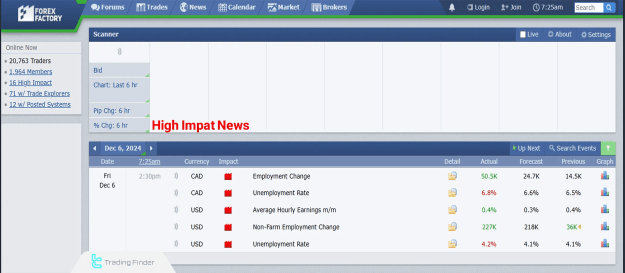
High-impact economic events are central to the OSOK strategy. These events create volatility injections that offer high-probability trade setups.
Preparation steps include:
- Monitor Forex Factory for medium and high-impact news affecting your trading pair
- Focus on events such as:
- Central bank interest rate decisions
- CPI, PCE, PPI reports
- Non-Farm Payroll (NFP)
- GDP and economic growth data
- ISM and manufacturing surveys
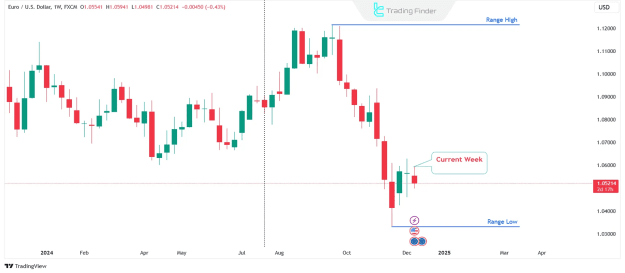
- Refer to the weekly chart and determine:
- The IPDA range of the past 20 weeks
- The highest high and lowest low
- The likely Draw on Liquidity and PD arrays
- Identify where price is likely to gravitate based on upcoming economic news and volatility
The most actionable trading opportunities often emerge in the London session, particularly within the first hour after the open.
Step 2: Identifying Opportunities
Once the market structure and bias are confirmed, identify trade setups targeting a 50–75 pip range.
- In a bullish order flow, focus on Buy-Side Liquidity (BSL)
- In a bearish order flow, target Sell-Side Liquidity (SSL)
- Determine whether the market is preparing for a continuation or reversal
Step 3: Developing a Trading Plan
Build your trading plan by analyzing price manipulation events in relation to the weekly bias.
- Look for liquidity sweeps or manipulative price action that contradicts the directional bias
- Use the economic calendar as a catalyst for potential liquidity grabs
- Prepare to enter trades once the market sweeps key liquidity zones, especially when aligned with your analysis
Step 4: Trade Execution
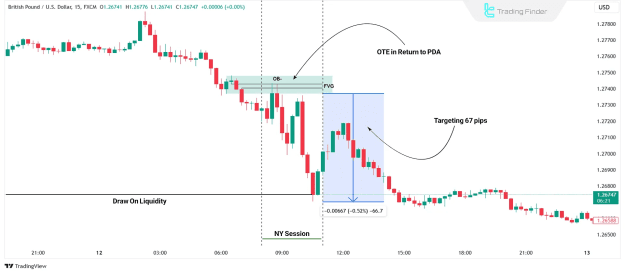
Precise execution is vital. Wait for Optimal Trade Entry (OTE) opportunities, especially during the Kill Zones (London or New York sessions).
In bearish bias scenarios:
- Look for a retracement entry between the 61.8% and 78.6% Fibonacci levels
- Monitor PD arrays and key structure on the 15-minute timeframe
- Target Buy-Side Liquidity and execute short trades once price sweeps local highs
In bullish bias scenarios:
- Anticipate a sweep of Sell-Side Liquidity and enter long positions at key retracement zones
- Confirm alignment with macroeconomic conditions and weekly bias
Step 5: Trade Management
Managing risk and profit targets is a key aspect of OSOK.
Risk Management Tips:
- Avoid placing stop-loss orders at obvious liquidity zones
- Place stops beyond validated market structure points or significant order blocks
- Use limit orders for take-profit targets:
- Close 80% of the position at 50 pips
- Let the remaining 20% ride to the 75-pip mark
Conclusion
The ICT One Shot, One Kill strategy is a structured institutional model that empowers traders to achieve weekly profitability through strategic planning, liquidity analysis, and precision timing. The use of FVGs, order blocks, and PD arrays, along with disciplined risk management, creates a powerful trading system designed for consistent performance.