

Unlike stock markets, the Forex market operates without a central exchange. Instead, it functions as an over-the-counter (OTC) network of banks, brokers, and financial institutions worldwide. Due to this decentralized structure, Forex education is crucial for traders to understand market dynamics, liquidity sources, and how to navigate trading platforms effectively.
Why Trade Forex?
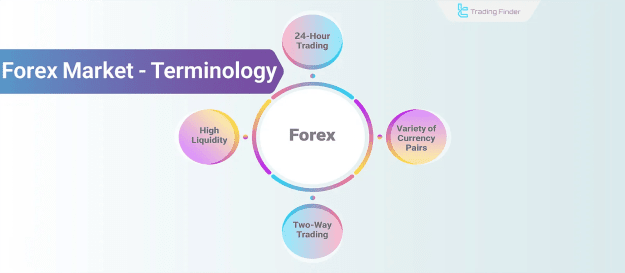
- High liquidity – Over $6.6 trillion traded daily
- 24/5 market access – Trade anytime, day or night
- Two-way profit potential – Profit from rising and falling markets
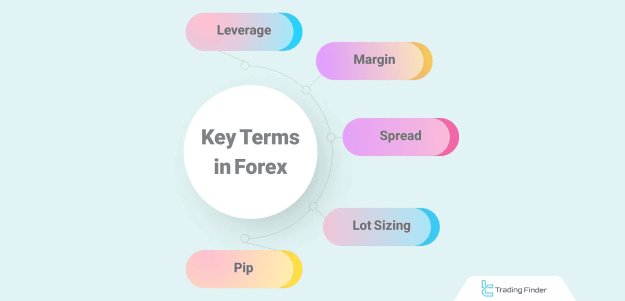
- Leverage opportunities – Control larger positions with smaller capital
How Forex Trading Works?
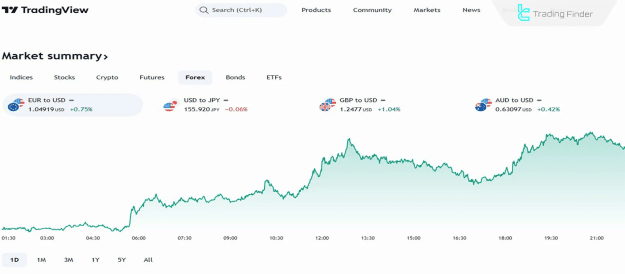
Forex trading involves exchanging one currency for another in currency pairs, such as EUR/USD (Euro vs. U.S. Dollar) or GBP/JPY (British Pound vs. Japanese Yen).
Key Mechanics of Forex Trading
- Buying (Going Long) – If you expect a currency to rise, you buy the pair.
- Selling (Going Short) – If you predict a decline, you sell the pair first and buy it back later at a lower price.
Price movements are measured in pips (smallest price change), and profits/losses depend on exchange rate fluctuations.
Essential Forex Trading Strategies
1. Technical Analysis
- Uses price charts, indicators (RSI, MACD), and patterns to predict future movements.
- Popular tools: Candlestick patterns, Support/Resistance, Moving Averages.
2. Fundamental Analysis
- Examines economic data (GDP, inflation, interest rates) and geopolitical events.
- Key reports: Non-Farm Payrolls (NFP), Central Bank announcements.
3. Risk Management
- Stop-Loss Orders – Automatically close losing trades at a set level.
- Take-Profit Orders – Lock in profits at a predetermined price.
- Position Sizing – Never risk more than 1-2% of capital per trade.
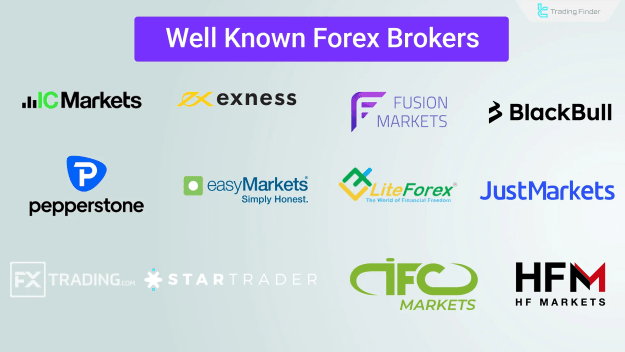
Choosing a Forex Broker
A reliable broker is crucial for success. Look for:
 Regulation (FCA, ASIC, CySEC)
Tight spreads & low commissions
Fast execution & no requotes
MT4/MT5 or cTrader platforms
Top Forex Brokers in 2024
- IG Markets (Best overall)
- Pepperstone (Best for low-cost trading)
- XM (Great for beginners)
Common Mistakes to Avoid
Overtrading – Too many trades increase risk.
Ignoring Stop-Losses – Emotional trading leads to big losses.
Overleveraging – High leverage can wipe out accounts fast.
Conclusion
Is Forex Trading Right for You?
Forex trading offers unmatched liquidity and flexibility, but it requires discipline, education, and risk management. Whether you're a day trader, swing trader, or long-term investor, mastering Forex can open global financial opportunities.