

Power of Three Indicator
Power of Three Indicator MT4
Power of Three Indicator MT5
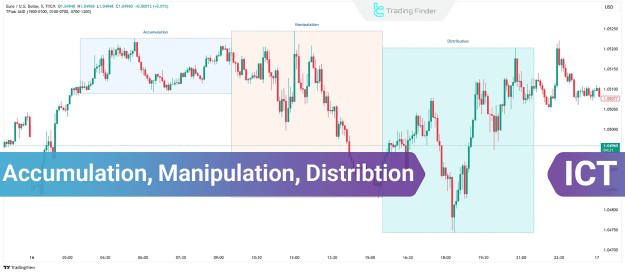
Understanding Accumulation, Manipulation, and Distribution
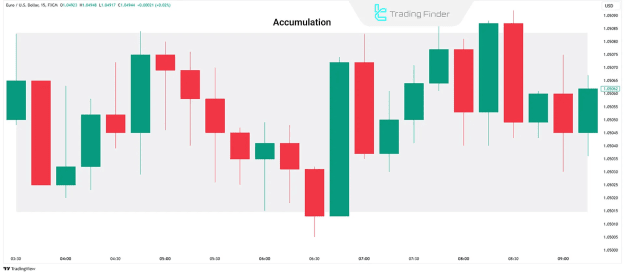
Accumulation Phase
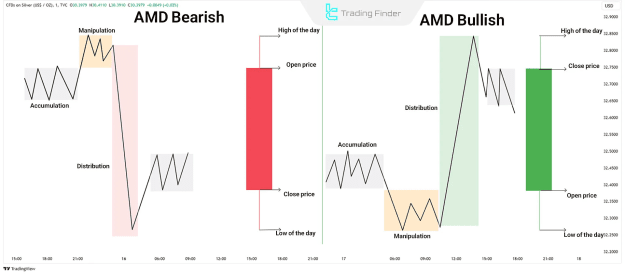
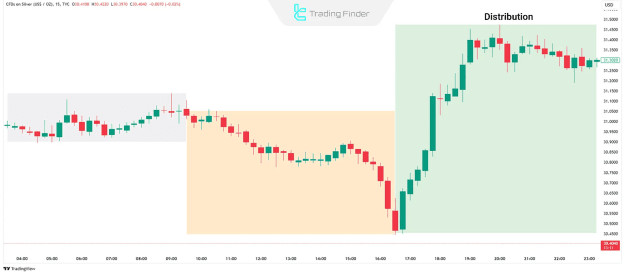
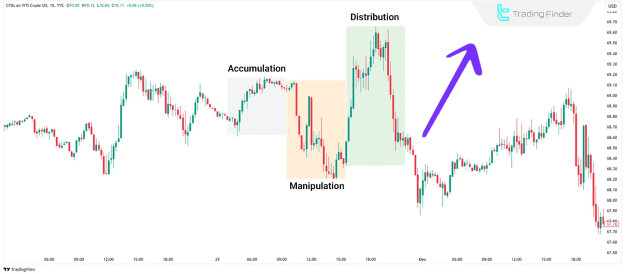
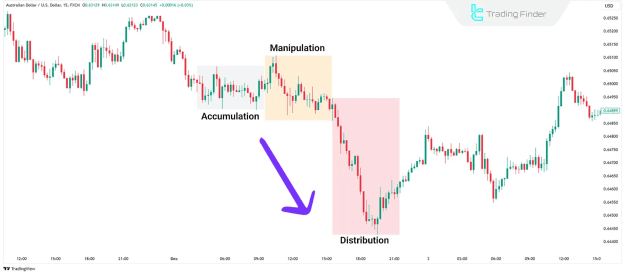
The accumulation phase begins at market opening, characterized by price movements confined within a narrow range near the opening price. During this phase, Smart Money quietly builds its positions. Although the price appears stagnant, it signals a forthcoming larger market movement. Retail traders typically place buy orders at horizontal support levels and sell orders at horizontal resistance levels.
Manipulation Phase
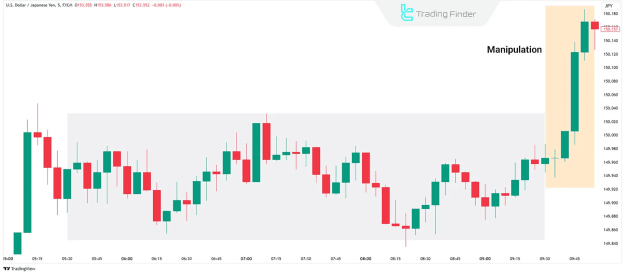
In this phase, Smart Money aims to mislead retail traders. Following the accumulation phase, the market is driven in the opposite direction:
- On bearish days, retail traders may be enticed to buy.
- On bullish days, traders may be persuaded to sell.
This manipulation is executed through false breakouts of the accumulation range:
- A break above the range may trigger stop losses for sellers, inviting new buyers.
- A break below the range may activate stop losses for buyers, encouraging new sellers.
Distribution Phase
The final stage of the AMD strategy is the distribution phase, which reflects the primary market movement of the day. During this phase, Smart Money solidifies its positions after deceiving retail traders and absorbing their liquidity. Consequently, the market moves in the opposite direction of retail traders' expectations.
Trading with the ICT Power of 3 Strategy
To effectively implement the ICT Power of 3 strategy, follow these steps:
- Identify Daily Bias
- Forecast the overall market direction and the anticipated movement of the next daily candle.
- Analyze Smaller Timeframes
- Utilize lower timeframes to pinpoint the distribution phase.
- Power of Three in a Bullish Market
In an uptrend, the following steps outline how to trade using the Power of Three strategy:
- Price Consolidation Near Opening Price: The price stabilizes near the daily opening price, allowing Smart Money to build buy positions.
- Sudden Sell-Off: A rapid downward movement entraps retail traders and targets previous lows.
- Retail Traders' Losses: Retail buyers incur losses due to a false breakout, enabling Smart Money to finalize buy positions at lower levels.
- Upward Move Towards Old Highs: The price ascends toward previous highs, activating buy stops and gathering liquidity.
- Reaching the Day's High: Smart Money exits buy positions and initiates sell trades at the day's high.
- Return to Daily Range: After liquidity is absorbed, the price reverts to the daily range, marking the end of the trading day.
Power of Three Strategy in a Bearish Market
In a downtrend, the following steps outline trading with the Power of Three strategy:
- Price Consolidation Near Opening Price: The price stabilizes near the daily opening price, allowing Smart Money to build sell positions.
- Sudden Buying Pressure: A swift upward movement traps retail traders and targets previous highs.
- Retail Traders' Losses: Retail sellers incur losses due to a false breakout, permitting Smart Money to complete sell positions at higher prices.
- Downward Move Towards Old Lows: The price descends toward previous lows, activating sell stops and gathering liquidity.
- Reaching the Day's Low: Smart Money exits sell positions and initiates buy trades at the day's low.
- Return to Daily Range: Once liquidity is absorbed, the price returns to the daily range, indicating the conclusion of the trading day.
Conclusion
The ICT Power of 3 style, focusing on market psychology and its three main phases—Accumulation, Manipulation, and Distribution—is an effective method for identifying Smart Money movements. This strategy is highly adaptable across various markets, including indices, forex, and commodities, enabling traders to leverage the Power of Three effectively in these contexts.