
-
UK private sector growth eases in November, while output price inflation softens to 59-month low

UK private sector businesses experienced a softer expansion in activity during November, primarily due to a loss of momentum in the service sector, which reported a decline in new work for the first time since July. On a positive note, manufacturers registered their first increase in total new orders in over a year, supporting a sustained (albeit slower) uplift in goods production. Average output prices meanwhile rose at their slowest rate in nearly five years, even as input price pressures accelerated. Amid tight margins and heightened policy uncertainty, firms reduced their headcounts more aggressively than in ... (full story)
- Comments / Top
- Subscribe
-
Related Stories
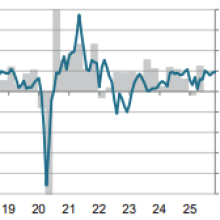

US business activity growth accelerated for a second successive month in November, according to early ‘flash’ PMI data, accompanied by the largest rise in new business seen so far this year. Confidence in the year ahead outlook also improved markedly, notably reflecting reduced worries over the political environment and hopes for increased policy support to ...


NEW YORK FED'S WILLIAMS: FED CAN STILL CUT RATES IN THE NEAR TERM GIVEN CURRENT POLICY IS MODESTLY RESTRICTIVE WILLIAMS: INFLATION PROGRESS HAS STALLED, BUT SHOULD BE ON TRACK TO 2% IN 2027 *FED'S WILLIAMS STILL SEES ROOM FOR A NEAR-TERM RATE CUT  Williams: Navigating Unpredictable Terrain Good morning. It’s a pleasure be here to celebrate the 100th anniversary of the Central Bank of Chile. The topic of my remarks today is inflation targeting, which is both an important part of Chile’s central banking history and a core foundation of successful monetary policy. Most central banks around the world have adopted inflation targeting regimes over the past 35 years, and Chile was among those leading the way. Although specifics vary across jurisdictions, these strategies share three principles: independence and accountability, transparency and the clear communication of an inflation target, and well-anchored inflation expectations, gained from the credibility that central banks build over time.1 Today I will discuss the success of inflation targeting strategies in helping central banks achieve price stability and better economic outcomes. I’ll also talk about how these strategies were critically important in managing uncertainty after the onset of the COVID-19 pandemic—and how they helped countries bring inflation down while minimizing disruptions to financial markets and economies. Fed's Williams: Tariffs adding half to three-quarter PPT to inflation
Williams: Navigating Unpredictable Terrain Good morning. It’s a pleasure be here to celebrate the 100th anniversary of the Central Bank of Chile. The topic of my remarks today is inflation targeting, which is both an important part of Chile’s central banking history and a core foundation of successful monetary policy. Most central banks around the world have adopted inflation targeting regimes over the past 35 years, and Chile was among those leading the way. Although specifics vary across jurisdictions, these strategies share three principles: independence and accountability, transparency and the clear communication of an inflation target, and well-anchored inflation expectations, gained from the credibility that central banks build over time.1 Today I will discuss the success of inflation targeting strategies in helping central banks achieve price stability and better economic outcomes. I’ll also talk about how these strategies were critically important in managing uncertainty after the onset of the COVID-19 pandemic—and how they helped countries bring inflation down while minimizing disruptions to financial markets and economies. Fed's Williams: Tariffs adding half to three-quarter PPT to inflation


The Consumer Sentiment Index in the United States declined 4.9% in November compared to the previous month, to stand at 51, according to the final monthly report released by the University of Michigan on Friday. The figure was down by 29% annually. The Current Economic Conditions Index decreased by 12.8% in the reported period compared to October and by 20% ...
