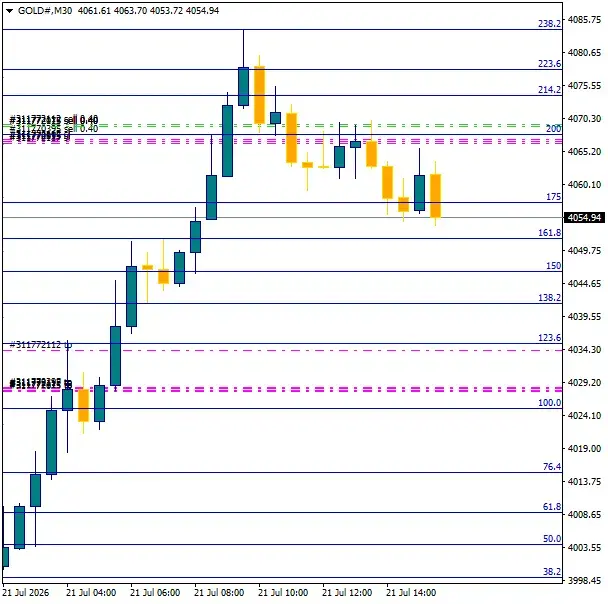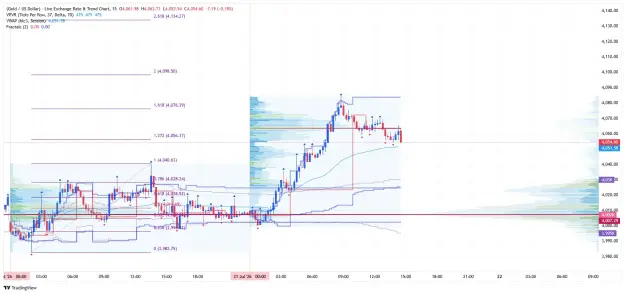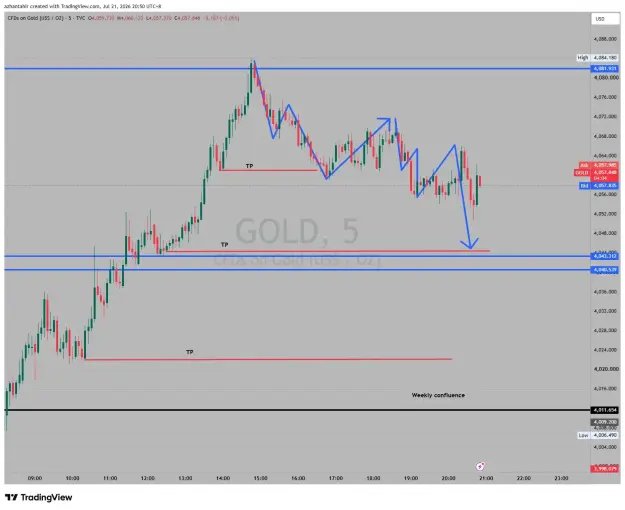


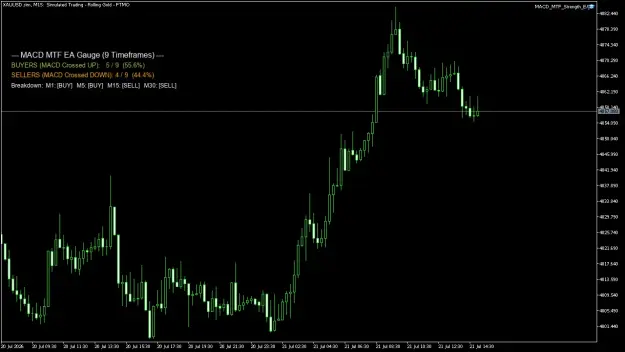
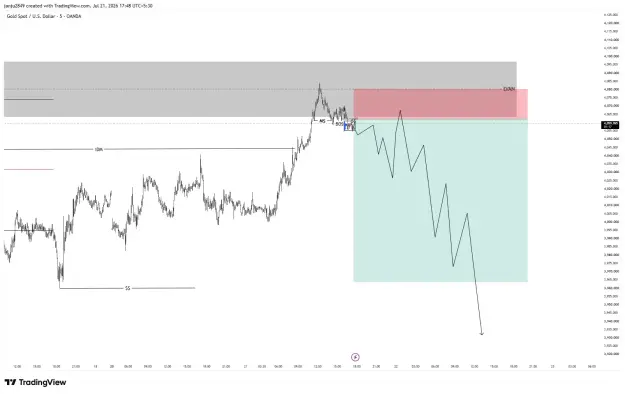
Dislikedso if the crowd says market is going down then it is going down the ea will close all trades when the crowd changes its mind i just sit n watch {image}Ignored
While CPI (Consumer Price Index) and PPI (Producer Price Index) do not mechanically alter the ADP weekly payroll data, they set off a chain reaction that ultimately dictates whether businesses ramp up hiring or freeze it.
CPI measures the inflation consumers feel, and PPI measures the inflation businesses face. The ADP weekly employment change (the NER Pulse) acts as a real-time thermometer for how the private sector reacts to those inflationary pressures.
You can use this interactive dashboard to see how rising consumer prices and business costs theoretically ripple through interest rates to impact hiring demand.
Key insight: The relationship is a balancing act. If inflation stays too high, borrowing costs remain restrictive (squeezing employment). However, if inflation drops too fast, it might signal an incoming recession (which also crushes employment).
Here is exactly how that chain reaction plays out in the real economy:
The Monetary Policy Loop (The Fed)
The Federal Reserve has a dual mandate: keep prices stable and maximize employment. Their primary tool to fight high inflation is adjusting interest rates.
- Hot Inflation: If CPI and PPI come in hotter than expected, the Fed is forced to keep interest rates "higher for longer". High interest rates make borrowing expensive for businesses. In response, companies delay expansions and scale back on new hires, which translates directly into a lower ADP employment change.
- Cooling Inflation: If inflation cools, the Fed has room to lower interest rates. Cheaper borrowing makes it easier for companies to invest in headcount, potentially boosting the ADP numbers.
The Profit Margin Squeeze (PPI Effect)
PPI measures wholesale inflation—the prices businesses pay for raw materials, logistics, and services.
- When PPI spikes, operating costs go up.
- If businesses cannot easily pass those costs onto consumers (because CPI is already high and consumers are tapped out), their profit margins shrink.
- To protect the bottom line, businesses often cut their largest variable expense: labor. They freeze hiring or lay off workers, pulling down the ADP weekly numbers.
Consumer Demand (CPI Effect)
CPI measures what everyday consumers actually pay at the register.
- When consumer prices rise faster than wages, purchasing power falls.
- People buy fewer goods and services.
- Anticipating lower sales volume, businesses realize they do not need to add staff, leading to a weaker ADP employment report.
Right now, the Fed is watching these exact metrics. Recent ADP weekly data has shown a slowdown in hiring, dropping to an average of around 19,750 jobs per week in July 2026. If CPI and PPI stay stubbornly high while job growth slows, it signals that employers are pulling back under the weight of higher costs.
3

 I'm Aayush.j