

TP & SL Tool: Risk Reward Ratio Calculator RRR MT4 | Prop Firm Protector: Trade Assist Prop Firm Plus TF Expert MT4 | Money Management + DrawDown Protector: Trade Panel Prop Firm Drawdawn Limiter Pro MT4 |Get a free Expert Advisor license via Telegram and WhatsApp
What Is a Trading Position?
A trading position represents an active trade held by an investor in a financial asset. It reflects the trader's expectation of the asset's price movement, either through a buy (long) or sell (short) trade. Positions are fundamental to risk management, profitability, and capital allocation in trading.
A position remains open until the trade is closed, and its performance directly impacts the trader's account balance, margin, and overall portfolio.
Types of Trading Positions Based on Direction
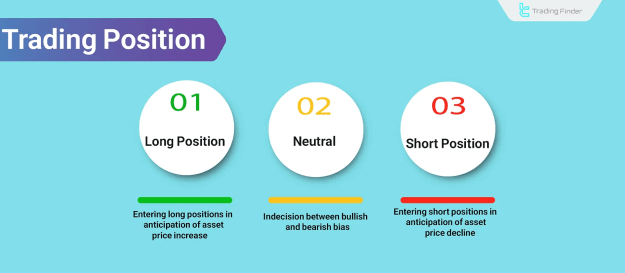
Trading positions are categorized based on the trader's price expectations:
1. Long Position (Buy)
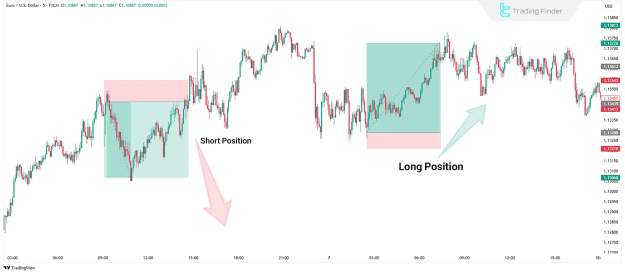
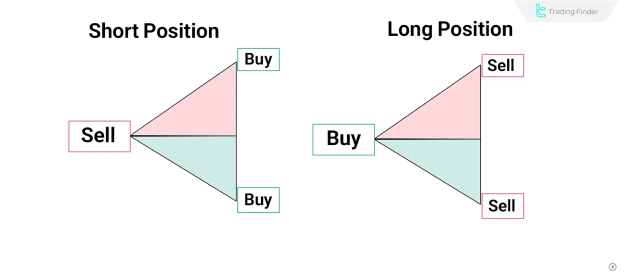
A trader opens a long position when anticipating a price increase. The goal is to buy low and sell higher, profiting from upward market movements.
2. Short Position (Sell)
A short position is taken when expecting a price decline. Traders sell borrowed assets at the current price, aiming to repurchase them later at a lower price, thus benefiting from the drop.
3. Neutral Position (Hedging/Arbitrage)
When uncertain about market direction, traders may adopt a neutral position using hedging or arbitrage strategies. This minimizes exposure to volatility and is common among professional traders.
Types of Positions Based on Holding Duration
The duration of a position defines a trader's strategy and risk approach:
1. Scalping (Seconds to Minutes)
- Ultra-short-term trading.
- Targets small, frequent profits.
- Requires fast execution and low spreads.
2. Intraday Trading (Same-Day Positions)
- All trades are opened and closed within a single day.
- Relies on technical analysis and strict risk management.
3. Swing Trading (Days to Weeks)
- Captures medium-term price movements.
- Combines technical and fundamental analysis.
4. Position Trading (Months to Years)
- Long-term strategy based on macroeconomic trends.
- Similar to investing, requiring patience and fundamental analysis.
Effective Position Management Strategies
Managing an open position is crucial for maximizing profits and minimizing risks. Key techniques include:
1. Position Sizing
Determining the appropriate trade volume based on account balance, risk tolerance, and stop-loss distance.
2. Scaling In/Scaling Out
- Scaling In: Gradually increasing position size.
- Scaling Out: Partially closing trades to secure profits.
3. Hedging
Opening an opposite position to offset potential losses, especially during high volatility.
4. Trailing Stop
A dynamic stop-loss that adjusts with favorable price movements, locking in profits while limiting downside risk.
Trading Positions Across Different Markets
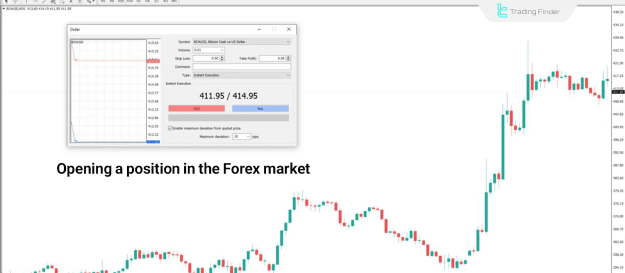
1. Forex Market
- High leverage usage.
- Requires precise lot sizing and stop-loss strategies.
2. Cryptocurrency Market
- Extreme volatility and lower liquidity.
- High leverage increases risk; strict risk management is essential.
3. Futures & Options
- Complex strategies like spreads and straddles.
- Involves expiration dates and leverage considerations.
Key Trading Position Concepts
- Position Size: Capital allocated per trade.
- Leverage: Amplifies gains and losses.
- Margin: Required collateral for leveraged positions.
- Risk/Reward Ratio: Measures potential profit vs. loss.
- Stop-Loss & Take-Profit: Automated exit strategies to prevent emotional decisions.
Conclusion
A trading position is the foundation of market participation, reflecting a trader's market outlook. Success depends on selecting the right position type, managing risk, and applying disciplined strategies. Whether scalping or holding long-term, effective position management ensures consistent profitability in financial markets.