

- Hawkish Policy: Represents a contractionary approach, focusing on reducing inflation through higher interest rates and tighter monetary conditions.
- Dovish Policy: Reflects an expansionary approach, aiming to stimulate economic growth by lowering interest rates or maintaining accommodative policies.
TP & SL Tool: Risk Reward Ratio Calculator RRR MT5 | Prop Firm Protector: Trade Assist Prop Firm Plus TF Expert MT5 | Money Management + DrawDown Protector: Trade Panel Prop Firm Drawdawn Limiter Pro MT5 |Get a free Expert Advisor license via Telegram and WhatsApp
Key Objectives of Hawkish and Dovish Policies
Hawkish Monetary Policy
- Primary Goal: Control inflation.
- Policy Actions: Interest rate hikes, reducing monetary stimulus.
- Economic Impact: Slows economic growth, strengthens the currency.
- Market Reaction: Typically negative for risk assets (stocks, crypto) but positive for the domestic currency.
Dovish Monetary Policy
- Primary Goal: Boost economic growth.
- Policy Actions: Interest rate cuts, quantitative easing, or pausing rate hikes.
- Economic Impact: Encourages borrowing and spending, weakens the currency.
- Market Reaction: Generally favorable for risk assets but can lead to currency depreciation.
When Do Central Banks Adopt Hawkish or Dovish Policies?
Conditions for a Dovish Stance (Shifting from Hawkish to Dovish)
- Weak economic growth or recession risks.
- Declining inflation or deflation concerns.
- High unemployment rates.
- Interest rates above the neutral level, restricting economic activity.
Conditions for a Hawkish Stance (Shifting from Dovish to Hawkish)
- Inflation exceeding central bank targets.
- Overheated labor market (rising wages fueling inflation).
- Interest rates below the neutral range, encouraging excessive risk-taking.
How to Identify Hawkish or Dovish Signals from Central Banks
Analyzing Central Bank Speeches and Statements
Central bank officials often signal their policy stance through speeches and official communications.
- Dovish Tone: Mentions of potential rate cuts, concerns about economic slowdown, or a need for stimulus.
- Hawkish Tone: Warnings about high inflation, hints at future rate hikes, or reluctance to ease policy.
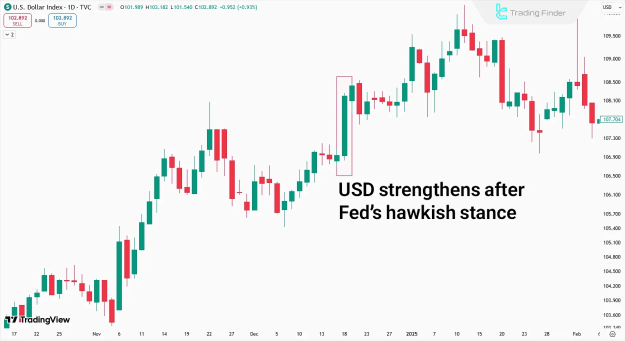
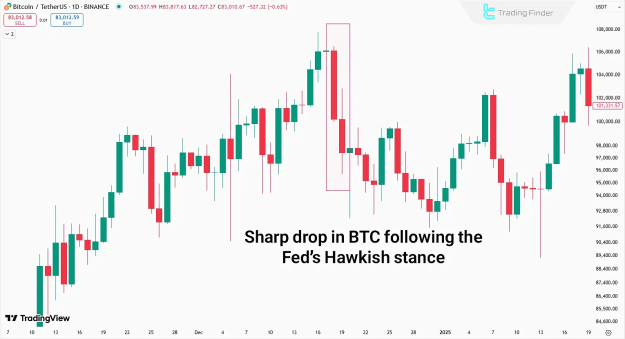
Example: The Federal Reserve’s Hawkish Shift (December 2024)
In December 2024, the Fed adopted a hawkish tone, emphasizing that rate cuts were unlikely in the near term due to persistent inflation. This led to:
- A strengthening US dollar (DXY).
- A sharp decline in Bitcoin and equities as investors priced in tighter liquidity.
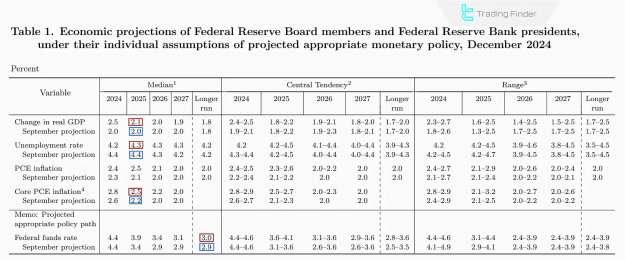
Monitoring Economic Projections
Central banks release quarterly economic projections, including:
- Inflation forecasts.
- Unemployment rate expectations.
- Interest rate trajectory (dot plot).
A shift toward higher inflation estimates or fewer rate cuts signals a hawkish tilt, while lower inflation projections or more rate cuts indicate a dovish shift.
Market Impact of Hawkish and Dovish Policies
Effects of a Dovish Stance on Financial Markets
- Stocks & Crypto: Tend to rally due to cheaper borrowing costs and increased liquidity.
- Forex: The domestic currency weakens as lower interest rates reduce its yield appeal.
- Bonds: Bond prices rise as yields decline.
Effects of a Hawkish Stance on Financial Markets
- Stocks & Crypto: Often face corrections due to reduced liquidity and higher borrowing costs.
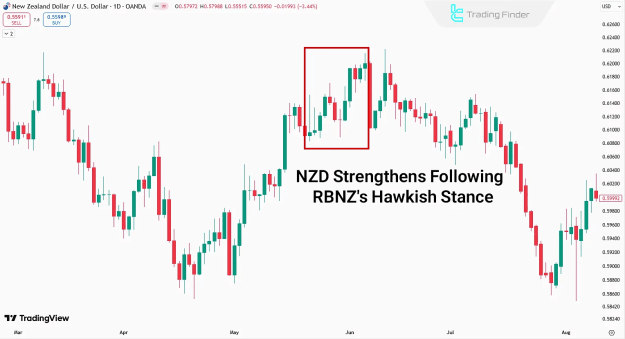
- Forex: The domestic currency strengthens as higher rates attract foreign capital.
- Bonds: Bond prices fall as yields rise.
Conclusion
Understanding whether a central bank is hawkish or dovish is crucial for traders and investors. By analyzing speeches, economic projections, and policy decisions, market participants can anticipate shifts in monetary policy and adjust their strategies accordingly.
A dovish stance supports risk assets but weakens the currency, while a hawkish stance strengthens the currency but pressures equities and crypto. Staying informed on central bank signals helps navigate market volatility effectively.