

Silver Bullet ICT Indicator:
Silver Bullet ICT Indicator MT4
Silver Bullet ICT Indicator MT5
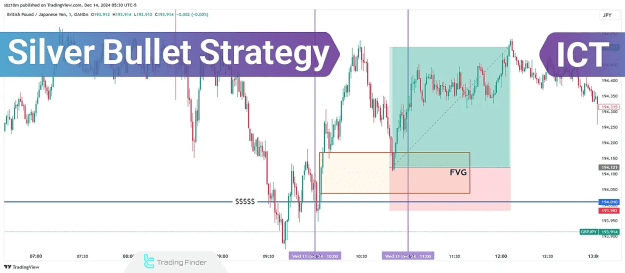
Overview of the Silver Bullet Strategy
The strategy aims to capture high-probability setups based on ICT principles by trading only during the following timeframes:
- London Session: 07:00 – 08:00 UTC (03:00 – 04:00 New York time)
- New York Morning Session: 14:00 – 15:00 UTC (10:00 – 11:00 New York time)
- New York Afternoon Session: 18:00 – 19:00 UTC (14:00 – 15:00 New York time)
The core objective is to exploit short-term liquidity grabs and identify valid FVG zones, with a target of 20–30 pips in major Forex instruments.
Steps to Implement the Silver Bullet Strategy
To effectively implement the Silver Bullet Strategy, traders must follow a structured, step-by-step approach:
- Step 1: Identify Liquidity
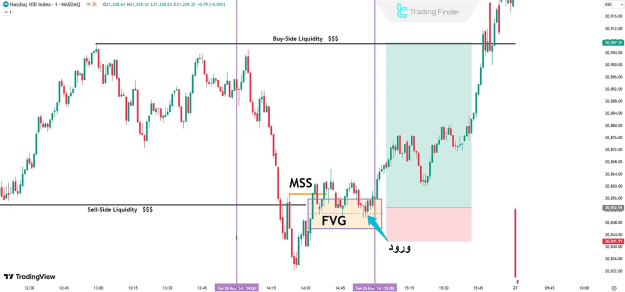
- Step 2: Identify Market Structure Shift (MSS)
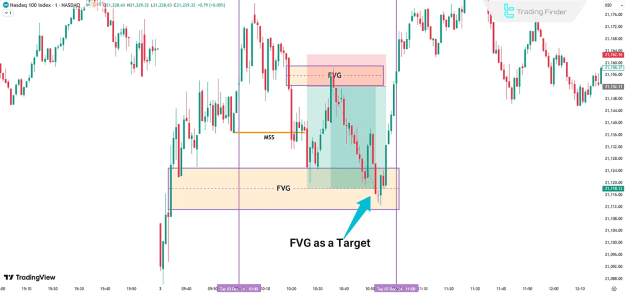
- Step 3: Locate the Fair Value Gap (FVG)
- Step 4: Enter the Trade
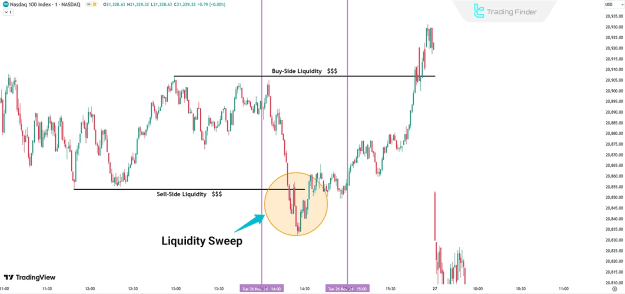
Step 1: Identifying Liquidity
Before the trading session begins, determine the Buy-Side Liquidity (BSL) and Sell-Side Liquidity (SSL) using the 15-minute timeframe.
- Buy-Side Liquidity: Positioned above recent highs
- Sell-Side Liquidity: Positioned below recent lows
When price interacts with these zones, it often sweeps liquidity and either continues in the same direction or reverses after capturing the liquidity.
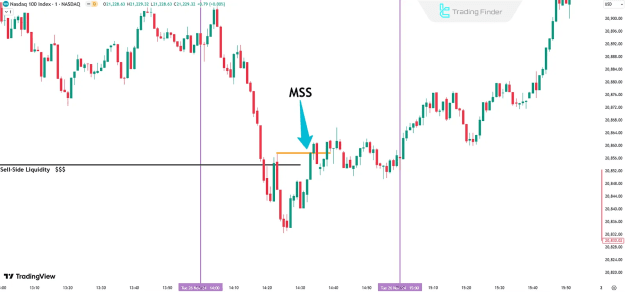
Step 2: Identify Market Structure Shift (MSS)
After the liquidity sweep, monitor for a Market Structure Shift (MSS) on 1-minute or 3-minute charts.
- MSS occurs when price breaks a structural level in the direction of the liquidity sweep.
- This shift confirms a potential reversal or continuation pattern.
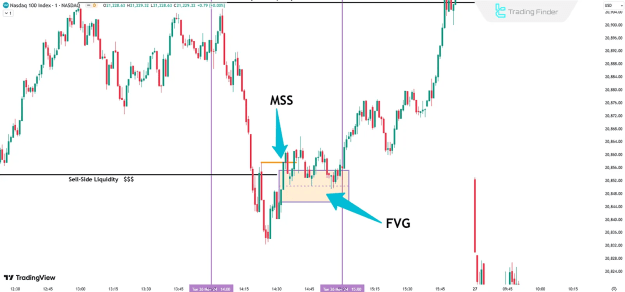
Step 3: Locate the Fair Value Gap (FVG)
Once an MSS has been confirmed:
- Identify an FVG that aligns with the directional bias.
- Use Premium/Discount tools to ensure the FVG is positioned within a favorable pricing zone.
- The FVG must follow the MSS and serve as the retracement zone for entry.
Step 4: Enter the Position
- Entry Point: Enter when price retraces back to the identified FVG zone.
- Stop Loss (SL):
- In a bearish setup: Above the high of the candle that created the FVG
- In a bullish setup: Below the low of the candle that created the FVG
- Take Profit (TP):
- Target nearby liquidity levels or the next imbalance zone in the direction of the trade.
Suitable Timeframes for the ICT Silver Bullet Strategy
- 15-minute chart: For identifying liquidity zones
- 1-minute and 3-minute charts: For spotting MSS and locating FVGs
Best Instruments for the Silver Bullet Strategy
The strategy performs best on volatile and liquid instruments, including:
- NASDAQ Index (NQ Futures)
- E-mini S&P 500 (ES Futures)
- Major Forex pairs: EUR/USD, GBP/USD
- Precious metals: XAU/USD (Gold)
Optimal Sessions for Execution
The New York Morning Session (10:00 – 11:00 New York time) is the most effective window due to:
- High liquidity
- Overlapping with the London Session
- Frequent institutional activity
Advantages and Disadvantages of the Silver Bullet Strategy
Advantages
- No requirement to monitor charts throughout the entire day
- Focus on scalping opportunities and quick trades
- Clearly defined risk-to-reward parameters
- Applicable across indices, currencies, and metals
Disadvantages
- Requires a solid understanding of ICT concepts like liquidity and FVG
- Fast market movements on lower timeframes can cause unexpected volatility
- Patience is necessary to avoid false setups
Key Tips for Executing the ICT Silver Bullet Strategy Successfully
- Trade only within the specified 1-hour windows
- Use lower timeframes for precision entries
- Exercise patience and wait for complete setups
- Implement strict risk management (ideal RR: 1:2 or 1:3)
Conclusion
The ICT Silver Bullet Strategy is a highly structured and effective scalping approach based on liquidity sweeps and Fair Value Gap retracements. By adhering to precise entry times and well-defined conditions, traders can consistently target short-term profits while maintaining controlled risk exposure.
This strategy is ideal for those seeking efficiency, clarity, and consistency in their intraday trading methodology.