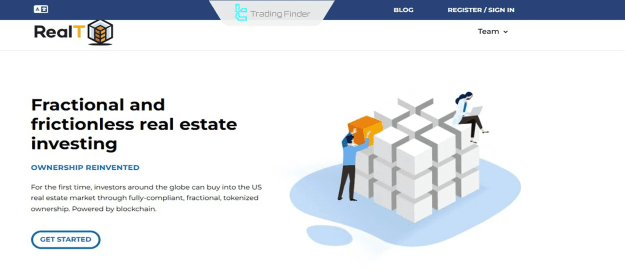


This groundbreaking investment model enhances liquidity, reduces entry barriers, and opens real estate markets to a global audience—mirroring the dynamics of the forex market, where cross-border accessibility and transaction efficiency are key drivers of success. As noted in the forex article , attributes such as high liquidity, decentralized trading environments, and minimal capital requirements have positioned foreign exchange as one of the most accessible financial markets worldwide—benefits now being echoed through the rise of real estate tokenization.
Each token corresponds to a fractional share in a specific property and is traded on blockchain-integrated platforms such as BinaryX, Republic, and HoneyBricks, much like how forex traders buy and sell currencies in real time across major platforms.
What Is Real Estate Tokenization?
Real estate tokenization refers to the process of converting a physical property into blockchain-based digital tokens. These tokens are generated through smart contracts and represent ownership rights, including access to potential rental income and property appreciation.
The process enhances transparency, reduces operational inefficiencies, and opens up real estate to a wider pool of investors, eliminating traditional geographic and financial limitations.
Key Advantages of Tokenized Real Estate
- Improved liquidity in typically illiquid real estate assets
- Access to international markets with minimal capital (as low as $50)
- Streamlined asset management through blockchain technology
- Increased transparency and security via decentralized networks
- Passive income potential through rental yield distributions
Pros and Cons of Real Estate Tokenization
While the model presents transformative opportunities, investors must also consider the potential risks:
Pros
- Entry-level accessibility for individual investors
- Automated tracking and simplified portfolio oversight
- Reduced transaction fees and elimination of intermediaries
- Blockchain-backed data integrity and transparency
- Ability to invest in high-value properties through fractional shares
Cons
- Digital security risks such as wallet or token breaches
- Regulatory ambiguity in various jurisdictions
- Absence of standardized reporting across platforms
- Platform fees and token maintenance costs that may affect returns
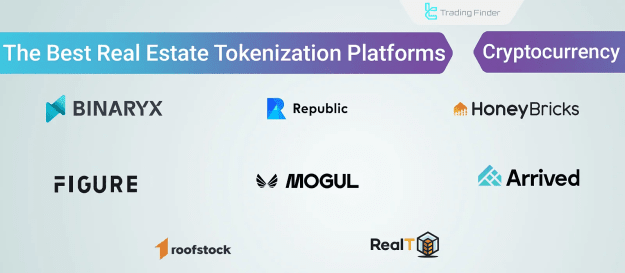
Top Platforms for Real Estate Tokenization
Below are the leading platforms facilitating secure, transparent, and efficient real estate tokenization:
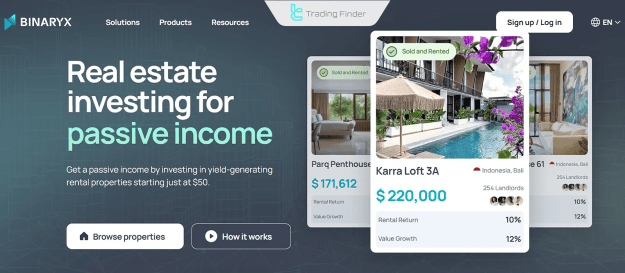
BinaryX
BinaryX offers a simple and accessible platform tailored to retail investors. With a low minimum investment of $50, it enables participation in tokenized property markets and provides daily income payouts in USDT.
- Ideal for first-time investors entering the space
- Focus on daily rental income generation
Republic
Based in New York, Republic offers a diversified range of investment opportunities across real estate, startups, and digital assets. It features tools such as Automated Investing and Accredited Deal Rooms.
- Minimum investment: $50
- Designed for both novice and experienced investors
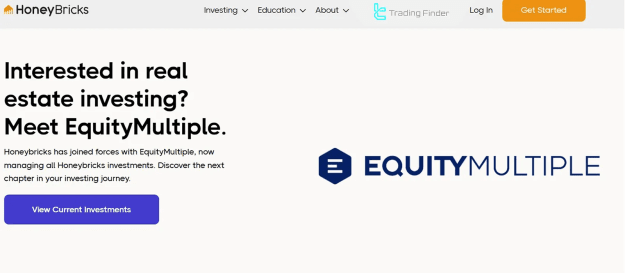
HoneyBricks
Launched in 2022 in San Francisco, HoneyBricks specializes in U.S. commercial property tokenization. The platform emphasizes tax efficiency, direct ownership, and transparent blockchain-backed transactions.
- Focus on commercial real estate
- Investor-friendly structure for long-term asset growth
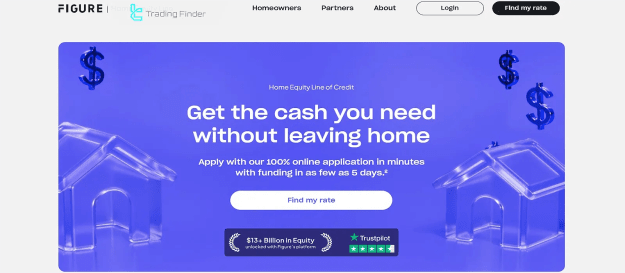
Figure
Founded in 2018 by Mike Cagney, Figure operates on the Provenance blockchain and bridges the gap between traditional finance and decentralized property services. It provides lending, asset management, and real estate financing.
- Loan ranges from $15,000 to $400,000
- Repayment periods of up to 30 years
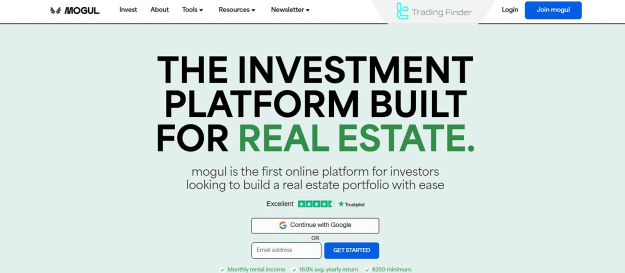
Mogul
Mogul uses a rigorous vetting process, accepting less than 1% of proposed real estate deals. It automates investment and distributes monthly income from rental properties.
- Minimum investment: $250
- Focus on passive income and investor protection
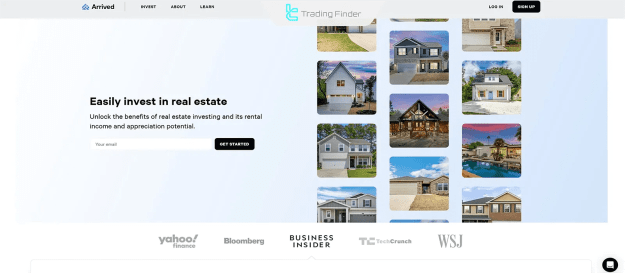
Arrived
Established in 2019, Arrived gives users access to fractional ownership of professionally managed rental homes, making real estate investing accessible to everyone.
- Low-capital entry point
- Properties filtered by construction year and quality
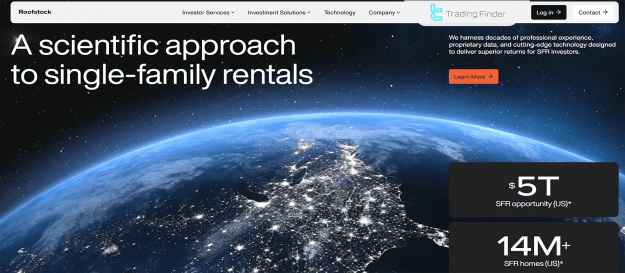
Roofstock
Launched in 2015 by Gary Beasley, Gregor Watson, and Rich Ford, Roofstock offers a trusted marketplace for buying and managing rental homes remotely.
- More than $6 billion in transaction volume
- Focus on U.S.-based single-family rentals
RealT
Founded in 2019, RealT facilitates blockchain-based investments in U.S. properties using Ethereum. By 2025, it had tokenized over 400 properties valued at over $83 million.
- Integrated with Ethereum DeFi ecosystem
- Offers consistent income and fractional ownership
Conclusion
Real estate tokenization is redefining how people invest in property. Much like the forex market, this model provides high liquidity, low entry thresholds, and global accessibility. By using blockchain to fractionalize ownership, platforms like BinaryX, Republic, and HoneyBricks are empowering both retail and institutional investors to gain exposure to real estate with as little as $50.
As blockchain adoption continues to accelerate, tokenized real estate is set to become a cornerstone of modern portfolio diversification—bridging the worlds of traditional finance, digital innovation, and real estate investing.