

Proper application of oscillators enables traders to determine optimal entry and exit points, enhancing trading accuracy and efficiency.
Prop Firm DrawDown Protector : Prop Firm Capital Protection Expert MT5 | Forex Money Management: Forex Trade Management Expert MT4 | ICT Concepts Indicator MT5 |Smart Money Concepts Expert MT5 |Get a free Expert Advisor license via Telegram and WhatsApp
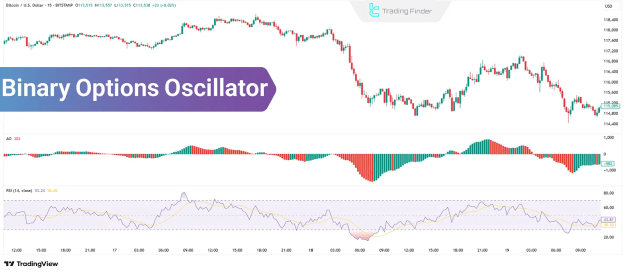
Binary Options Oscillator
A binary options oscillator is a technical indicator that measures momentum and identifies overbought or oversold conditions within a defined range. Unlike trend-following indicators, oscillators focus on highlighting potential reversal or continuation points.
Common oscillators used in binary options include:
- Stochastic
- Relative Strength Index (RSI)
- Moving Average Convergence Divergence (MACD)
- Average Directional Index (ADX)
Each oscillator employs unique calculation methods to reveal market strength, weakness, and potential turning points. Combining these indicators with tools such as moving averages or support and resistance levels enhances trade timing and accuracy.
The Best Binary Options Oscillators
Oscillators play a critical role in technical analysis for binary options. By measuring momentum and identifying overbought or oversold conditions, they help traders pinpoint reversal or continuation opportunities.
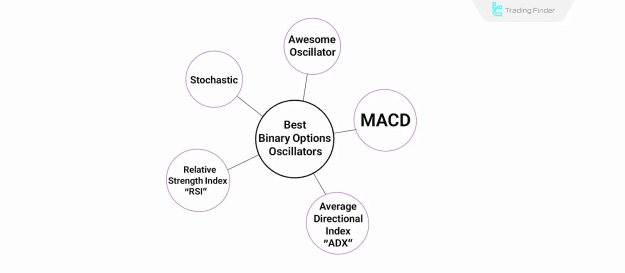
The most effective binary options oscillators include:
Stochastic Oscillator
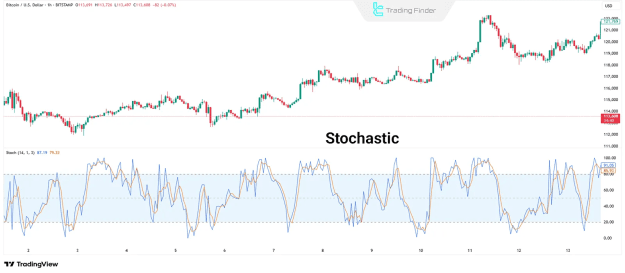
The Stochastic oscillator is one of the oldest technical tools, analyzing price movement relative to the highest and lowest points over a specific timeframe.
- Scale: 0–100
- Overbought: Above 80
- Oversold: Below 20
Strategy Application: Stochastic is often used to detect potential price reversals in binary options trading.
Relative Strength Index (RSI)
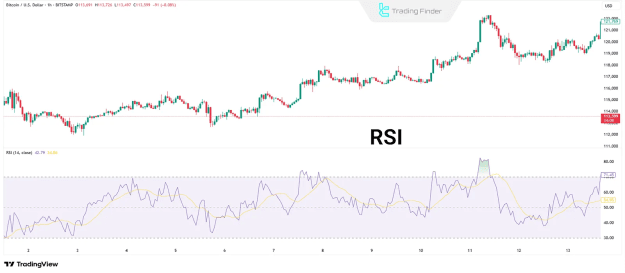
The RSI oscillator measures the intensity of upward and downward price movements.
- Oversold: Below 30
- Overbought: Above 70
RSI is frequently employed to confirm trend reversals and validate trade setups.
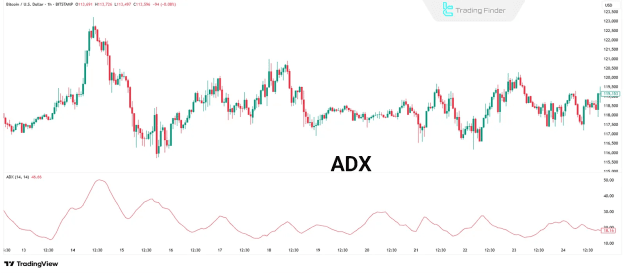
Average Directional Index (ADX)
The ADX oscillator focuses on trend strength rather than direction.
- Weak Trend: Below 20
- Strong Trend: Above 50
For reliable signals, ADX is often combined with trend indicators or tools that identify sideways market conditions.
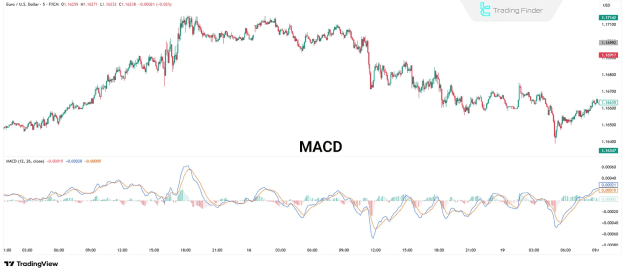
MACD (Moving Average Convergence Divergence)
The MACD oscillator uses moving averages to highlight trend changes.
- Combination of MACD line, signal line, and histogram allows traders to detect divergences and potential entry or exit points.
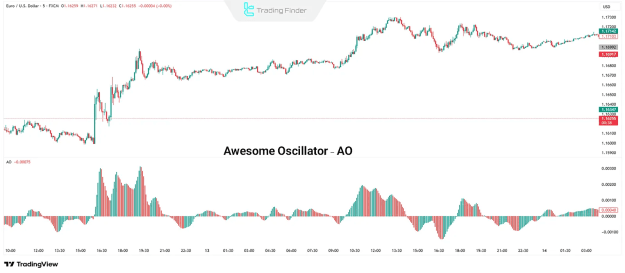
Awesome Oscillator (AO)
The Awesome Oscillator simplifies the MACD concept by measuring momentum through the difference between 5-period and 34-period moving averages calculated at candlestick midpoints.
Popular AO Strategies:
- Twin Peaks: Signals trend reversal based on consecutive peaks or troughs relative to zero.
- Saucer: Detects momentum changes using consecutive bars in bullish or bearish setups.
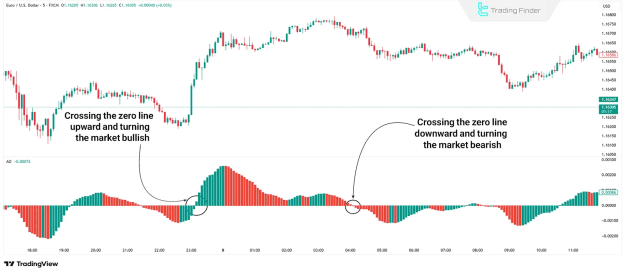
- Crossover: Crossing of bars above or below zero indicates potential bullish or bearish momentum.
Role of Oscillators in Binary Options
Binary options oscillators identify momentum changes and overbought/oversold conditions within a defined range. Unlike trend-following tools, oscillators detect potential reversal or continuation points.
Integrating oscillators with simple moving averages, support, and resistance levels improves trade timing and accuracy.
Advantages and Disadvantages of Oscillator Strategies
Oscillators provide traders with essential insights, but their use carries both benefits and limitations:
Advantages
- Quickly identifies overbought and oversold conditions
- Detects divergences and potential reversals
- Provides short-term entry and exit signals
- Useful for risk management and timing trades
- Can be combined with other technical analysis tools
Disadvantages
- May produce false signals in ranging or volatile markets
- Requires combination with other tools for accuracy
- Some oscillators, like MACD, may generate delayed signals
- Highly sensitive to market noise
- Risk of misinterpretation by inexperienced traders
Oscillator Strategies in Binary Options
Oscillators are most effective when applied within structured trading strategies. They are particularly useful for:
- Identifying overbought and oversold levels
- Confirming trend strength
- Detecting divergences
Examples of Strategies:
- Awesome Oscillator (AO): Twin Peaks, Saucer, and Crossover patterns
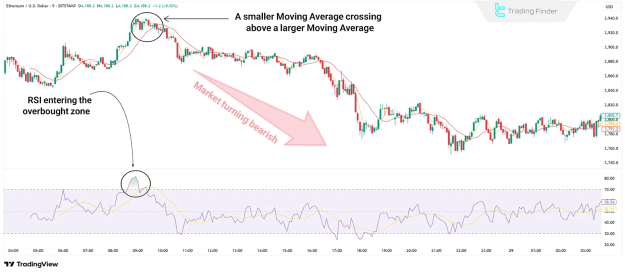
- RSI + Moving Averages: Enhances reliability of trend reversal signals
Combining Oscillators with Moving Averages
Combining oscillators like AO, RSI, or MACD with moving averages strengthens signal accuracy. For instance, when RSI enters an overbought zone while a short-term moving average crosses above a long-term moving average, the likelihood of a trend reversal increases significantly.
This combination reduces errors associated with relying on a single oscillator.
Advanced Tips for Using Oscillators
Oscillators can be classified as:
- Leading indicators: RSI, Stochastic – provide early signals of overbought or oversold conditions
- Lagging indicators: MACD – confirm trends with a slight delay
Using a single oscillator alone is risky, as markets may remain overbought or oversold for extended periods. For reliable results, combine oscillators with price action and key support/resistance levels.
Conclusion
In binary options trading, oscillators are indispensable for measuring momentum and identifying overbought or oversold conditions. Indicators such as Stochastic, RSI, MACD, ADX, and Awesome Oscillator help traders detect reversal and continuation points.
Oscillators achieve maximum effectiveness when integrated into structured trading strategies. Using multiple indicators in combination with price action and critical levels enhances signal reliability and minimizes trading errors.