

By dividing trades into multiple smaller positions, traders can achieve better average entry and exit prices, enhancing overall profitability and reducing emotional stress. However, proper execution requires experience and disciplined risk management—key components of advanced Forex education—to avoid potential pitfalls like margin calls. Understanding when and how to scale positions is crucial for long-term success in volatile markets.
Prop Firm DrawDown Protector : Prop Firm Capital Protection Expert MT4 | Forex Money Management: Forex Trade Management Expert MT4 |ICT Concepts Indicator MT4 | Smart Money Concepts Expert MT4| Smart Money Trap Scanner | Get a free Expert Advisor license via Telegram and WhatsApp
Advantages and Disadvantages of Scaling in Trading
Advantages
- Improved Risk Management: Reduces exposure by spreading entries and exits.
- Lower Psychological Pressure: Smaller, incremental trades minimize emotional decision-making.
- Optimized Entry/Exit Points: Helps secure better average prices.
- Higher Profit Potential: Maximizes gains while limiting losses.
Disadvantages
- Requires Experience: Ineffective scaling can lead to significant losses.
- Emotional Control Needed: Poor discipline may result in overtrading.
- Margin Call Risk: Incorrect scaling can amplify losses.
- Time-Consuming: Managing multiple positions demands constant monitoring.
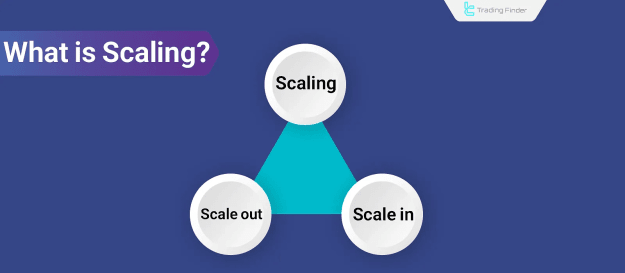
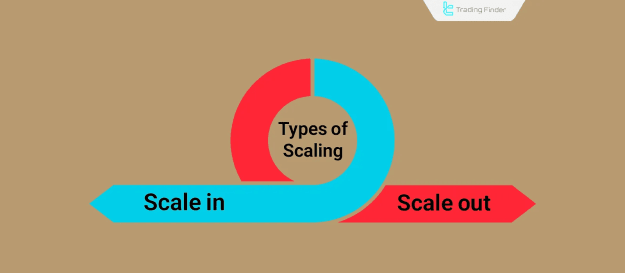
Types of Scaling in Trading
1. Scaling In (Gradual Entry)
Scaling into a trade involves entering a position in multiple stages. There are two primary scenarios:
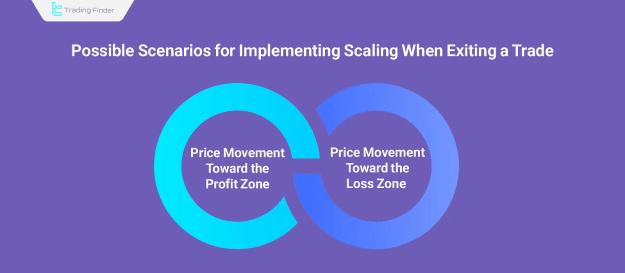
A. Price Moves in Favor (Profit Zone)
- Open a partial position at the initial entry point.
- Add to the position as price moves favorably, using separate stop-loss and take-profit levels for each entry.
- The safest approach is setting stop-loss orders at each entry level to minimize risk if the market reverses.
B. Price Moves Against (Loss Zone)
- Only add to the position if there’s a strong technical reversal signal.
- Avoid averaging down without confirmation, as this can accelerate losses.
2. Scaling Out (Gradual Exit)
Exiting a trade in phases helps lock in profits or reduce losses.
A. Price Moves in Favor (Profit Zone)
- Close portions of the position at key resistance/support levels (e.g., Fibonacci retracements, swing highs/lows).
- Move stop-loss to breakeven to secure profits and reduce risk.
- While this may lower overall profit potential, it ensures consistent account growth.
B. Price Moves Against (Loss Zone)
- Identify potential reversal zones in advance.
- Exit part of the position to limit further losses.
- If the market reverses, the remaining position can recover some losses.
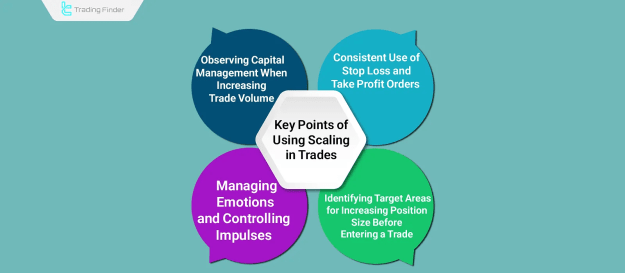
Key Considerations for Effective Scaling
- Predefine Entry/Exit Zones: Identify optimal levels before entering a trade.
- Use Proper Stop-Loss Orders: Protect each position individually.
- Avoid Emotional Decisions: Stick to the trading plan.
- Monitor Market Conditions: Adjust scaling strategies based on volatility.
Conclusion
Scaling in trading is a powerful risk management technique that enhances profitability by optimizing entry and exit points. When executed correctly, it reduces emotional stress and improves long-term trading performance. However, traders must apply it with discipline and experience to avoid unnecessary risks.
In highly volatile markets, maintaining control over scaling strategies is crucial to prevent margin calls and ensure steady account growth.