

Prop Firm DrawDown Protector : Prop Firm Capital Protection Expert MT4 |Forex Money Management: Forex Trade Management Expert MT4 |ICT Concepts Indicator MT4 | Smart Money Concepts Expert MT4| Get a free Expert Advisor license via Telegram and WhatsApp
What Is Swing Trading?
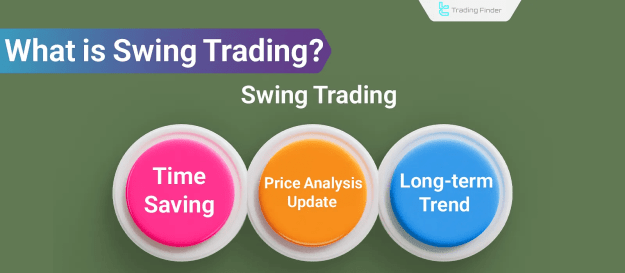
Swing trading is a trading style where positions are held for several days to weeks, aiming to profit from short- to medium-term price trends. Unlike day trading, which involves closing all positions within a single day, swing traders capitalize on broader market movements, typically holding trades for 2 days to 1 month.
This approach combines technical and fundamental analysis to identify high-probability trade setups while managing risk effectively.
Advantages and Disadvantages of Swing Trading
Advantages of Swing Trading
- Less Stressful Than Day Trading: Since swing traders don’t need to monitor charts constantly, they avoid the pressure of rapid intraday fluctuations.
- Time-Efficient: Ideal for those who cannot dedicate full-time hours to trading.
- Higher Risk-to-Reward Ratio: Captures larger price moves compared to scalping or day trading.
- Combines Multiple Analysis Methods: Uses both technical indicators and fundamental factors for better trade confirmation.
Disadvantages of Swing Trading
- Weekend Gap Risk: Prices can gap over weekends due to news or economic events.
- Overnight Holding Fees: Some brokers charge fees for keeping positions open overnight.
- Vulnerability to News Events: Unexpected economic data or geopolitical events can disrupt trade setups.
- Requires Strong Fundamental Knowledge: Traders must understand macroeconomic factors affecting their assets.
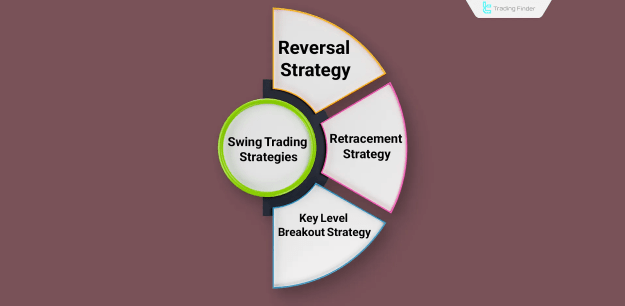
Top Swing Trading Strategies
1. Reversal Strategy
This strategy identifies potential trend reversals by analyzing price momentum shifts. Traders look for weakening trends and confirm reversals using:
- Candlestick patterns (e.g., engulfing, doji)
- Divergences in RSI or MACD
- Break of key support/resistance levels
Example: In an uptrend, if bullish momentum fades and the price forms a double top near resistance, a short entry may be justified.
2. Retracement Strategy
Retracements are temporary pullbacks within a larger trend. Swing traders enter trades in the direction of the primary trend after a retracement ends.
Key Tools:
- Fibonacci retracement levels (38.2%, 50%, 61.8%)
- Moving averages (e.g., 50 EMA as dynamic support/resistance)
Note: Distinguishing between a retracement and a full reversal requires experience in price action analysis.
3. Breakout Strategy
This strategy focuses on key support/resistance zones. A breakout with strong momentum confirms a new trend phase.
Example: If a stock consolidates near resistance and breaks out with high volume, a long entry is taken with a stop-loss below the breakout level.
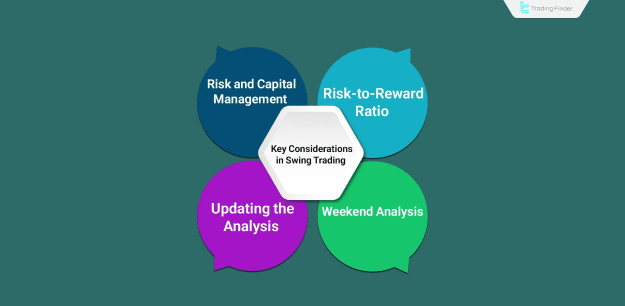
Key Considerations for Successful Swing Trading
1. Risk-to-Reward Ratio (RRR)
Since swing trades are less frequent, each trade must have a minimum 1:2 or 1:3 RRR to ensure long-term profitability.
2. Risk & Capital Management
- Use stop-loss orders to limit downside risk.
- Never risk more than 1-2% of capital per trade.
- Adjust position sizing based on volatility (use ATR for guidance).
3. Daily & Weekly Analysis Updates
- Review trades daily to adjust stop-loss or take-profit levels.
- Before weekends, assess whether to hold or close positions to avoid gap risks.
4. Economic News & Market Sentiment
- Follow economic calendars for high-impact news (e.g., Fed decisions, CPI data).
- Adjust trades if fundamentals contradict technical setups.
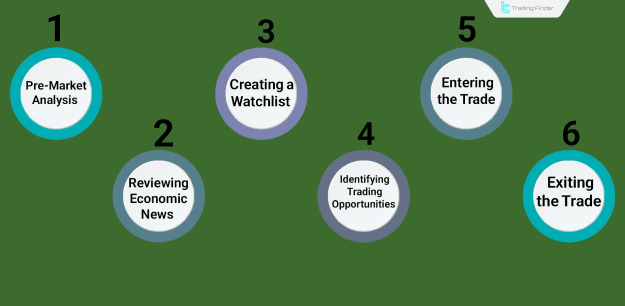
Step-by-Step Swing Trading Execution
Step 1: Pre-Market Analysis
- Analyze higher timeframes (1H, 4H, Daily) before the London or New York session opens.
- Identify key support/resistance levels and trend direction.
Step 2: Economic News Review
- Check for upcoming economic events that may impact your assets.
- Avoid trading before major news releases unless hedging.
Step 3: Watchlist Creation
- Select assets with strong trends or consolidation patterns.
- Use tools like TradingView or Market Watch for alerts.
Step 4: Trade Entry & Execution
- Wait for confirmed signals (e.g., breakout + volume spike).
- Set stop-loss and take-profit based on key levels.
Step 5: Trade Exit Strategies
- Manual Exit: Close early if market conditions change.
- TP/SL Exit: Let the trade hit predefined targets.
Swing Trading vs. Day Trading: Key Differences
Trade Duration
Swing trading positions last from 2 days to 1 month, while day trading requires closing all trades within the same day.
Analysis Style
Swing trading combines technical and fundamental analysis, whereas day trading relies mostly on technical indicators.
Time Commitment
Swing trading requires moderate time investment (a few hours daily), while day trading demands constant monitoring.
Best For
Swing trading suits beginners and part-time traders, while day trading is better for experienced full-time traders.
Best Technical Tools for Swing Trading
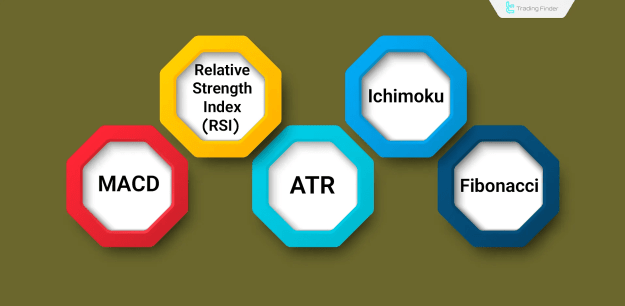
1. Key Indicators
- MACD: Identifies trend strength and reversals.
- RSI: Detects overbought/oversold conditions.
- ATR: Measures volatility for stop-loss placement.
- Ichimoku Cloud: Provides dynamic support/resistance.
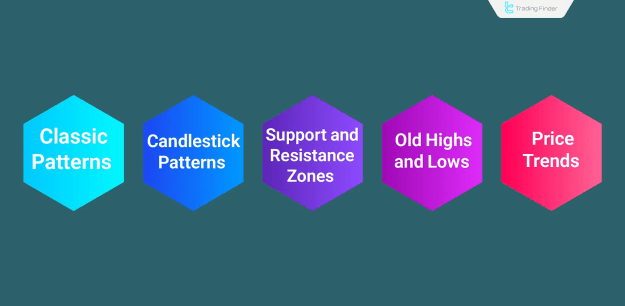
2. Price Action Concepts
- Classic Chart Patterns (Head & Shoulders, Flags, Wedges)
- Candlestick Patterns (Hammer, Shooting Star, Engulfing)
- Support & Resistance Zones
Final Thoughts
Swing trading is ideal for traders who want to balance profitability with time flexibility. By combining technical and fundamental analysis, managing risk effectively, and staying disciplined, traders can capitalize on medium-term trends without the stress of day trading.
Key Takeaways:
 Focus on higher timeframes (1H+) for reliable setups.
Always use stop-loss orders and proper position sizing.
Stay updated with economic news and market sentiment.
Aim for high risk-to-reward ratios to ensure long-term success.