

TP & SL Tool: Risk Reward Ratio Calculator RRR MT4 | Prop Firm Protector: Trade Assist Prop Firm Plus TF Expert MT4 | Money Management + DrawDown Protector: Trade Panel Prop Firm Drawdawn Limiter Pro MT4 |Get a free Expert Advisor license via Telegram and WhatsApp
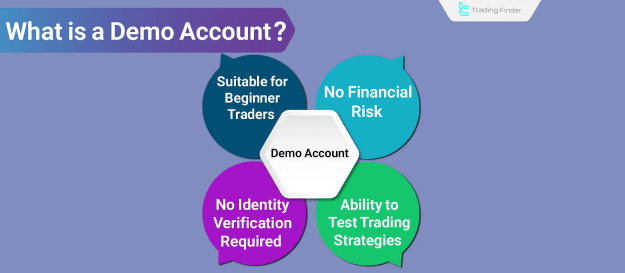
Key Features of a Demo Account
- Reflects real-time market data and price fluctuations
- Operates within the framework of live trading platforms
- Requires no financial investment or identity verification
- All tools and platform functionalities are fully accessible
A demo trading account allows traders to execute trades using virtual capital, mirroring real-market conditions without any actual financial exposure.
Benefits of Using a Demo Account
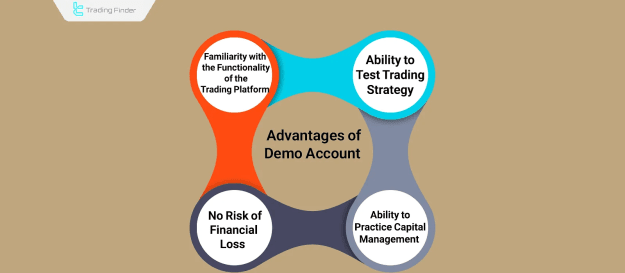
Using a demo account presents numerous advantages for both beginner and experienced traders. It helps users become familiar with the trading platform while allowing them to develop and test strategies.
Advantages of a Demo Account
- Provides a safe environment for learning and testing
- Allows users to understand how the platform operates
- Enhances familiarity with technical indicators and order types
- Enables backtesting and forward testing of trading strategies
- No risk of financial loss
Limitations of Demo Accounts
While demo accounts are effective for educational and testing purposes, they come with certain limitations that can affect real trading performance.
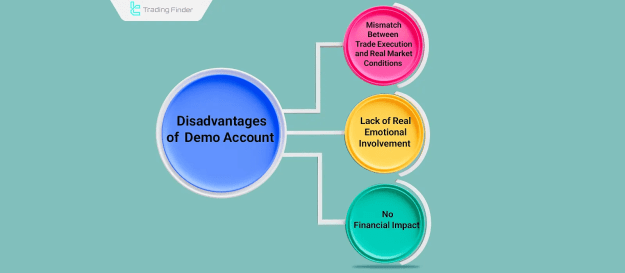
Disadvantages of a Demo Account
- No emotional involvement due to lack of real money
- May delay transition to a real account, leading to lower confidence
- Instant order execution, which does not replicate real market slippage
- No exposure to transaction costs, spreads, or market delays
Additional Drawbacks
- Does not simulate market volatility under stress conditions
- No financial consequences means no experience in risk control
- Traders may ignore money management principles
Why Demo Trading Is Important
Relying solely on historical data for backtesting can be misleading, as it fails to account for real-time volatility and unexpected market shifts. Demo accounts bridge this gap by offering a live-simulated environment, preparing traders for actual trading conditions.
- Helps traders become familiar with platform functions
- Reduces errors during the transition to a live account
- Offers a controlled setting for strategy refinement
How to Open a Demo Account
Opening a demo account is a straightforward process and typically free of charge. Since no real money is involved, many platforms do not require full identity verification.
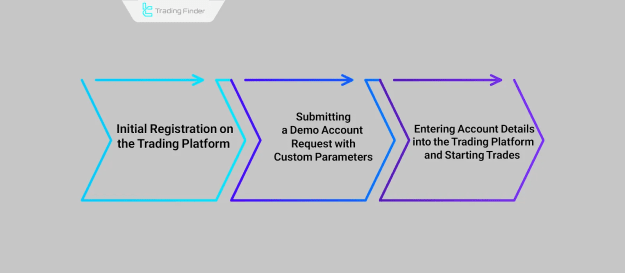
Steps to Create a Demo Account
- Choose a reputable trading platform or broker
- Sign up and select the demo trading option
- Enter your preferred settings (balance, leverage, etc.)
- Receive login credentials
- Connect the account to trading platforms like MetaTrader 4 or MetaTrader 5
- Start practicing with virtual funds
Best Practices for Demo Trading
Despite its benefits, traders must approach demo trading with discipline. One common mistake is to overlook risk management due to the absence of real money.
Tips for Effective Demo Trading
- Practice position sizing, stop-loss orders, and risk-reward ratios
- Use the account as if real money is at stake
- Monitor performance and track trading journals
- Set goals for transitioning to a real account
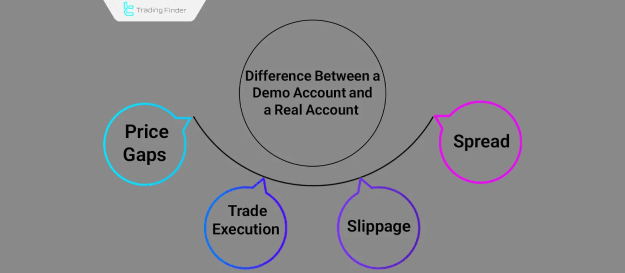
Differences Between Demo and Real Accounts
Although demo accounts replicate live data, they differ from real accounts in critical aspects that may impact trading outcomes.
Key Differences Between Demo and Real Trading
- Spread: Often fixed or not accurately reflected
- Slippage: Typically absent, leading to unrealistically perfect fills
- Execution: Instant in demo accounts; may be delayed in real trading
- Liquidity Impact: Real orders may be rejected due to insufficient liquidity
- Price Gaps: Less impact in demo accounts compared to live markets
Are Demo Accounts Available for Cryptocurrency Trading?
While demo trading is more common in the Forex market, several crypto exchanges also provide virtual trading environments for practicing digital asset trades.
Popular Crypto Exchanges Offering Demo Trading
- Binance
- KuCoin
- Kraken
- Whitebit
- Coinbase
These platforms typically require only an email address for registration and do not mandate full identity verification.
Conclusion
A demo account is an essential tool for traders to explore strategies, understand platform functions, and build foundational skills in a risk-free environment. However, while demo trading is valuable for learning, it does not replace the emotional discipline and risk management expertise required in live trading.
Traders should transition to a real account only after gaining sufficient confidence and ensuring their strategies are consistently profitable under simulated conditions.