

TP & SL Tool: Risk Reward Ratio Calculator RRR MT4 | Prop Firm Protector: Trade Assist Prop Firm Plus TF Expert MT4 | Money Management + DrawDown Protector: Trade Panel Prop Firm Drawdawn Limiter Pro MT4 |Get a free Expert Advisor license via Telegram and WhatsApp
What Is Arbitrage Trading?
Arbitrage trading involves capitalizing on price discrepancies for the same asset across different markets. Unlike traditional trading, arbitrage does not rely on technical or fundamental analysis. Instead, it exploits temporary price differences to generate profit with minimal risk.
For example, if Bitcoin trades at $93,800 on Exchange A and $94,000 on Exchange B, a trader can buy it at the lower price and sell it at the higher price, securing a risk-free profit.
Why Arbitrage Matters
Arbitrage enhances market efficiency by balancing prices across exchanges. However, it requires fast execution, low latency, and careful cost analysis to remain profitable.
How Arbitrage Works
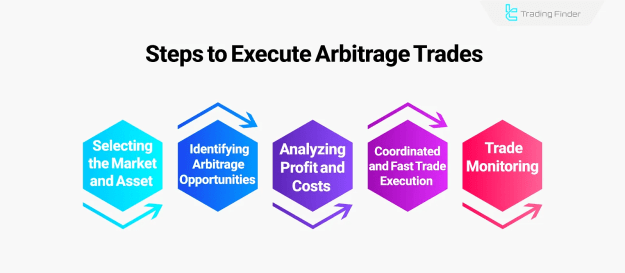
Successful arbitrage trading follows a structured approach:
1. Selecting the Right Market and Asset
- High liquidity and frequent price gaps are essential.
- Cryptocurrencies are ideal due to their decentralized nature and multiple trading platforms.
2. Identifying Arbitrage Opportunities
- Traders use price comparison tools, APIs, and real-time data feeds to detect price differences.
- Factors like withdrawal limits and transaction delays must be considered.
3. Calculating Profitability and Costs
- Assess trading fees, withdrawal fees, and transfer costs (e.g., blockchain gas fees).
- Ensure the price difference covers all expenses for a positive net profit.
4. Fast and Coordinated Execution
- Automated trading bots minimize delays and improve accuracy.
- Requires simultaneous access to multiple exchange accounts.
5. Risk Management and Monitoring
- Risks include exchange downtime, price slippage, and execution errors.
- Continuous monitoring ensures timely adjustments.
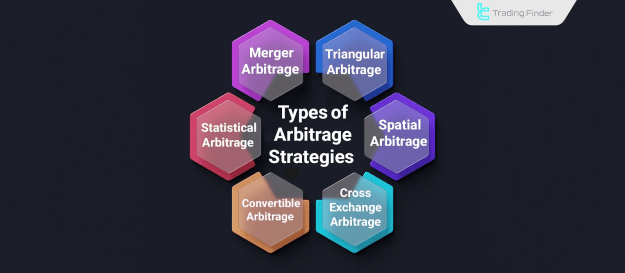
Types of Arbitrage Strategies
1. Cross-Exchange Arbitrage
- Buy low on one exchange, sell high on another.
- Common in crypto markets due to fragmented liquidity.
2. Spatial Arbitrage
- Exploits price differences across geographic regions.
- May involve legal restrictions and cross-border fees.
3. Statistical Arbitrage
- Uses mathematical models to identify mispriced assets.
- Relies on algorithmic trading and historical data.
4. Merger Arbitrage
- Profits from acquisition deals by buying target company stocks.
- Risk of deal failure or renegotiation.
5. Triangular Arbitrage
- Involves three currency pairs on the same exchange.
- Example: USD → EUR → GBP → USD (if exchange rates allow profit).
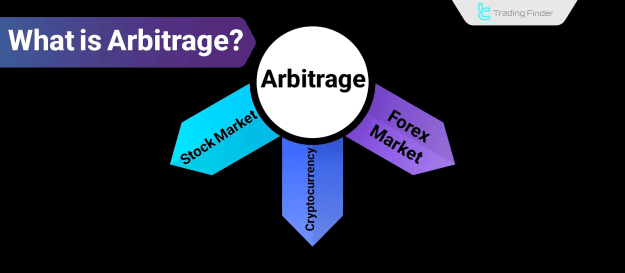
Arbitrage in Different Markets
Cryptocurrency Arbitrage
- High volatility and multiple exchanges create frequent opportunities.
- Challenges: Transfer delays, withdrawal limits, and gas fees.
Forex Arbitrage
- Exploits exchange rate discrepancies between brokers.
- Requires low-latency execution to avoid slippage.
Stock Market Arbitrage
- Occurs when the same stock trades at different prices on NYSE vs. LSE.
- Also applies to stocks vs. futures contracts.
Pros and Cons of Arbitrage Trading
Advantages
- No need to predict market trends – Profits come from price inefficiencies.
- Automation-friendly – Bots execute trades faster than humans.
- Improves market efficiency – Helps balance prices across exchanges.
Disadvantages
- Requires ultra-fast execution – Opportunities disappear quickly.
- High transaction costs – Fees can erode profits.
- Regulatory risks – Some brokers restrict arbitrage trading.
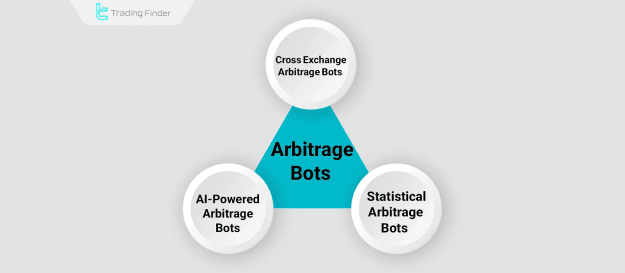
Arbitrage Bots: Automating Profitable Trades
Arbitrage bots use AI and real-time data to detect and execute trades instantly.
Top Arbitrage Bots by Market
- Crypto: Cryptohopper, Bitsgap, Pionex
- Forex: HaasOnline, 3Commas
- Stocks: AlgosOne, Trality
Regulations on Arbitrage Trading
While arbitrage is legal, rules vary by market:
Crypto Arbitrage Rules
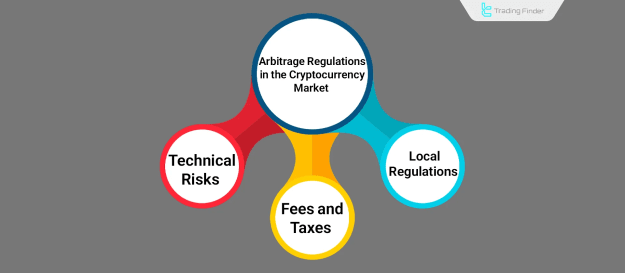
- Legal in most countries but subject to taxation and exchange policies.
Forex Arbitrage Rules
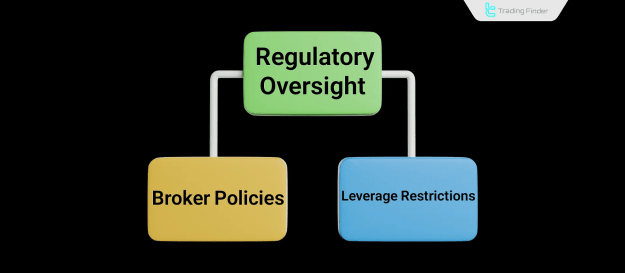
- Regulated by CFTC (U.S.) and ESMA (Europe).
- Some brokers ban arbitrage or limit leverage.
Stock Arbitrage Rules
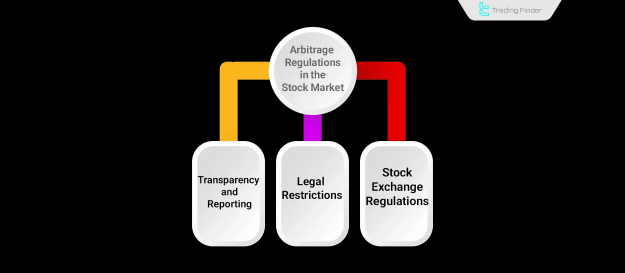
- Must comply with SEC and exchange regulations.
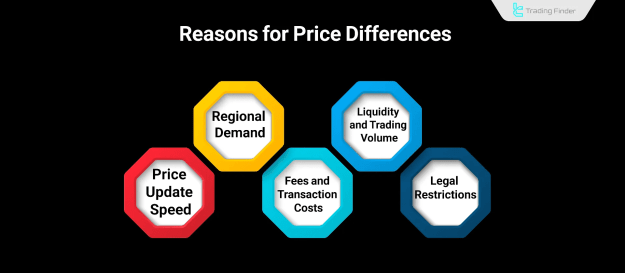
Why Do Price Differences Occur?
- Liquidity gaps – Low-volume exchanges have higher volatility.
- Regional demand – Prices vary based on local trading activity.
- Fee structures – Different exchanges charge varying transaction costs.
- Regulatory impacts – Some countries impose trading restrictions.
Conclusion
Arbitrage trading offers low-risk profits by exploiting market inefficiencies. Success depends on:
- Fast execution (often via bots).
- Accurate cost analysis.
- Understanding regulations.
Whether in crypto, forex, or stocks, arbitrage remains a powerful strategy for disciplined traders.