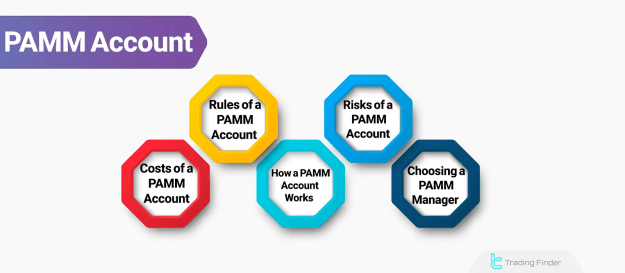


One of the most prominent structures within social trading is the PAMM Account (Percent Allocation Management Module) , which has gained popularity due to its transparency, scalability, and profit-sharing model.
TP & SL Tool: Risk Reward Ratio Calculator RRR MT5 | Prop Firm Protector: Trade Assist Prop Firm Plus TF Expert MT5 | Money Management + DrawDown Protector: Trade Panel Prop Firm Drawdawn Limiter Pro MT5 |Get a free Expert Advisor license via Telegram and WhatsApp
What Is a PAMM Account?
A PAMM Account is a type of social trading model in which investors allocate their capital to a fund managed by a professional trader. The trader uses the pooled capital to execute trades, and profits (or losses) are proportionally distributed based on each investor’s share of the total investment.
- Investors deposit funds into a PAMM account managed by a trader.
- The trader conducts trades on behalf of all investors.
- Profits and losses are automatically calculated and distributed by the broker.
- Investors earn returns proportional to their contribution.
This model allows individuals to participate in Forex trading without actively managing trades, relying instead on the trader's expertise.
How Does a PAMM Account Work?
To begin, investors select a PAMM service offered by a broker and deposit their desired capital. The broker pools the capital and grants trading authority to the account manager. The key points of the PAMM structure are as follows:
- Trade Execution: All trades are executed by the manager using the combined funds.
- Profit Distribution: Brokers automatically calculate and distribute gains or losses based on each investor’s proportional investment.
- Performance Fee: The manager receives a fee only when profits are realized.
- High Water Mark Method: Some brokers apply this method to ensure managers are only compensated if they surpass previous high profit levels.
This structure protects investors by aligning the trader’s incentives with account performance.
Benefits and Drawbacks of PAMM Accounts
While PAMM accounts offer several advantages, they are not without risks. Understanding both is essential for making informed investment decisions.
Advantages:
- Access to experienced and professional traders
- Proportional profit distribution based on investment
- Transparent performance and fee reporting
- Wide selection of account managers and strategies
- Broker oversight enhances transparency and accountability
Disadvantages:
- No guarantee of profitability
- Exposure to potential losses due to trader decisions
- Investors lack direct control over trades
- Manager performance may vary over time
- Complete reliance on the trader’s skill and risk management
How to Select the Right PAMM Account
Choosing a suitable PAMM account involves a thorough evaluation of both the trader and the strategy used. Key factors to consider include:
- Historical performance and profit consistency
- Risk level of the trading approach
- Transparency in reporting and drawdown metrics
- Fee structure, including performance fees and management costs
- Manager’s reputation and tenure with the broker
Evaluating these criteria helps minimize risk and improve investment outcomes.
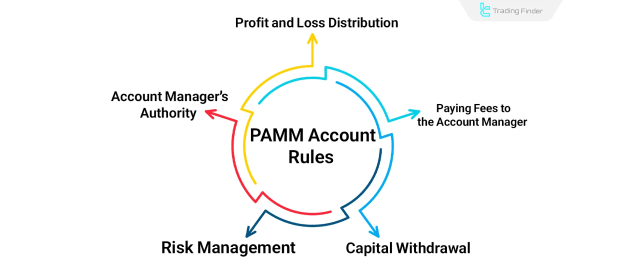
PAMM Account Rules and Governance
Profit and Loss Sharing
- Profit and loss distribution is calculated based on each investor’s capital share.
- The broker automates these calculations to ensure transparency.
- Withdrawals may be restricted to specific timeframes (weekly, monthly).
Manager Compensation
- Managers are paid a performance fee only if the account earns a profit.
- The fee structure is predetermined and agreed upon before investment.
- The High Water Mark system ensures performance-based compensation only after surpassing previous highs.
Capital Withdrawal
- Investors may withdraw funds with advance notice (e.g., 24–48 hours).
- Early withdrawals may incur penalties depending on broker policies.
- Specific windows are provided for capital redemption.
Risk Management Protocols
- Maximum drawdown limits are defined in the account agreement.
- Stop-out levels are determined by the investor or broker.
- Strict capital management rules are imposed on the manager.
Manager Authority Limitations
- The manager is authorized solely to execute trades.
- Fund withdrawals or transfers by the manager are strictly prohibited.
- Brokers may restrict tradable instruments to control risk exposure.
PAMM vs. Copy Trading vs. MAM
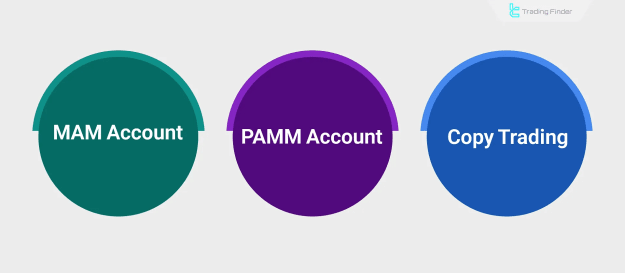
Though PAMM, Copy Trading, and MAM (Multi-Account Manager) systems all involve indirect trading, they differ in structure and control.
Key Differences:
- PAMM Accounts: Funds are pooled; investors have no control over trades.
- Copy Trading: Trades are mirrored in each investor’s account; more control over individual positions.
- MAM Accounts: Similar to PAMM but with customizable trade volumes per investor.
These distinctions influence risk, flexibility, and fee structure, making it essential to select the model that aligns with individual investment goals.
Choosing the Right PAMM Account Manager
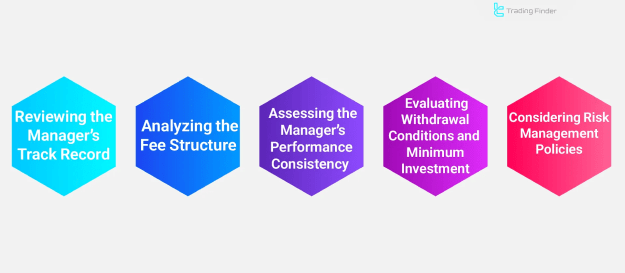
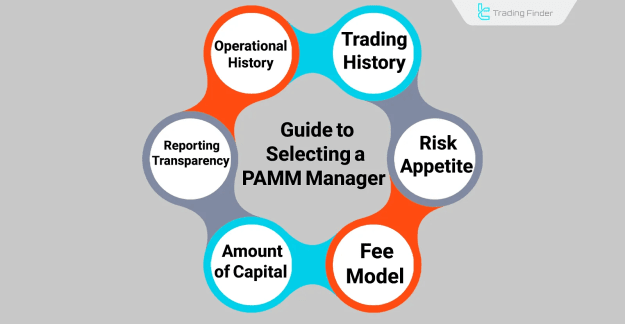
Before selecting a manager, several performance and behavioral metrics should be reviewed:
- Trading History: Profitability, drawdown levels, and performance trends
- Risk Tolerance: Strategy analysis and risk-reward ratio
- Fee Model: Details of performance and management fees
- Capital Under Management: Total funds handled by the manager
- Transparency: Openness in reporting losses, changes, and strategy
- Broker Affiliation: Long-standing relationships with reputable brokers
These criteria help ensure that the manager’s objectives are aligned with those of the investors.
Recommended Brokers Offering PAMM Accounts
Some brokers offer PAMM services under strict regulatory frameworks and advanced account management structures. Examples include:
- OnEquity: Offers access to top trading professionals with funds secured in segregated accounts (Regulated by SVJFSA, FSA, FCSA).
- AUS GLOBAL: Licensed by CySEC, with enhanced risk management tools.
- GO MARKETS: Offers fast execution with no minimum deposit limits (CySEC regulated).
Choosing a regulated broker with transparent policies enhances investor protection and service reliability.
Key Considerations Before Investing in PAMM Accounts
Before committing funds to a PAMM structure, investors should evaluate the following:
- Minimum investment requirements
- Availability and clarity of performance information
- Broker policy transparency
- Strength of the technical infrastructure
- Risk disclosures and legal documentation
Risks Associated with PAMM Accounts
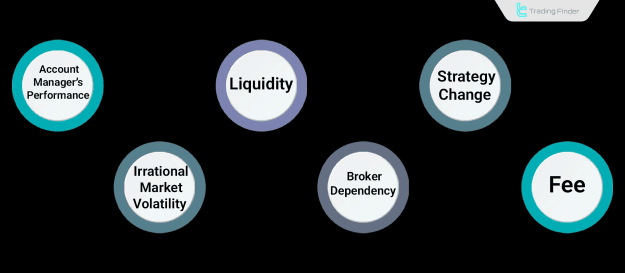
Investing through a PAMM account entails risks such as:
- Dependence on the manager’s trading skill
- Market volatility and unforeseen financial events
- Regulatory risks based on broker jurisdiction
- Platform or execution issues
It is crucial to assess these risks and diversify accordingly.
Fees and Costs in PAMM Accounts
Costs associated with PAMM investments may vary by broker and account manager. Common fee structures include:
- Performance Fee: A percentage of net profit (usually 20%–30%)
- Management Fee: Fixed monthly or yearly fee, even in non-profitable periods (if applicable)
- Withdrawal Fee: May apply for early capital withdrawals
- Platform Fee: Charges for using PAMM infrastructure
- Banking Fees: Transaction costs for deposits or withdrawals
These fees should be carefully reviewed before investing.
Conclusion
PAMM Accounts offer a strategic way to access the Forex market indirectly by leveraging the expertise of seasoned traders. Although investors relinquish direct control, they benefit from professional trading management and a transparent profit-sharing model.
For optimal results, investors must evaluate the manager’s past performance, understand the fee structure, assess the broker’s reputation, and ensure alignment with their own risk tolerance and investment goals.