

TP & SL Tool: Risk Reward Ratio Calculator RRR MT4 | Prop Firm Protector: Trade Assist Prop Firm Plus TF Expert MT4 | Money Management + DrawDown Protector: Trade Panel Prop Firm Drawdawn Limiter Pro MT4 |Get a free Expert Advisor license via Telegram and WhatsApp
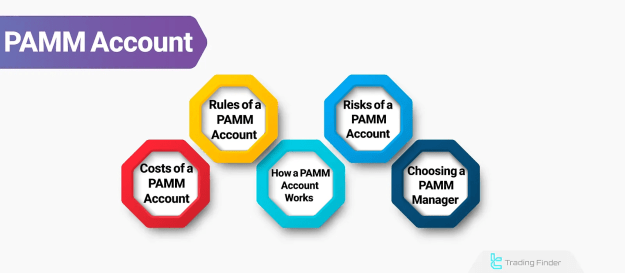
What Is a PAMM Account?
A PAMM Account is a specialized social trading model where a professional trader (account manager) executes trades using pooled funds from multiple investors. Each investor contributes a portion of capital and receives profits (or bears losses) proportional to their investment share.
Key features of PAMM accounts include:
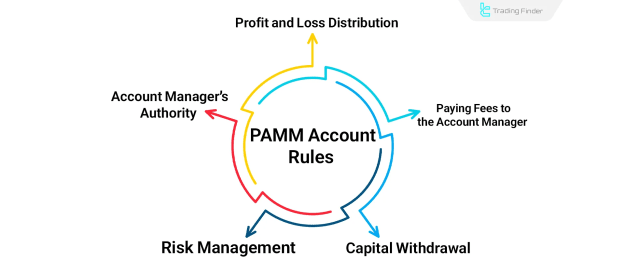
- Profit/Loss Distribution: Calculated based on each investor’s capital contribution.
- Broker Oversight: The broker handles profit calculations, fee deductions, and reporting.
- Performance-Based Fees: Managers earn fees only if the account is profitable.
How Does a PAMM Account Work?
- Investor Participation: Investors deposit funds into a PAMM account managed by a professional trader.
- Trading Execution: The account manager trades using the pooled capital.
- Profit/Loss Allocation: The broker automatically distributes results based on individual investment ratios.
- Manager Compensation: Fees (typically 20%–30% of net profits) are paid only if the account generates gains.
Some brokers implement the High Water Mark rule, ensuring managers only receive fees after recovering previous losses.
Advantages and Disadvantages of PAMM Accounts
Advantages
- Access to Expertise: Leverage professional traders’ skills without active involvement.
- Transparent Profit Sharing: Earnings are distributed fairly based on capital share.
- Diverse Manager Options: Choose from managers with varying strategies and risk levels.
- Broker Supervision: Ensures compliance with agreed terms.
Disadvantages
- No Profit Guarantee: Performance depends on the manager’s skill and market conditions.
- Limited Control: Investors cannot influence individual trades.
- Risk of Losses: Poor management can lead to capital depletion.
- Fee Structure: Performance fees reduce net profits.
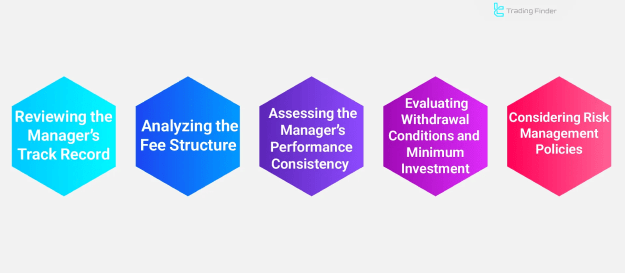
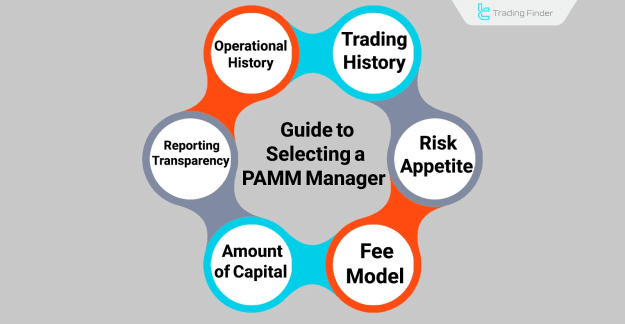
Key Factors in Selecting a PAMM Account
Choosing the right PAMM account requires careful evaluation of:
1. Manager’s Track Record
- Analyze historical performance, consistency, and drawdown levels.
- Check win/loss ratios and risk-adjusted returns.
2. Risk Management Strategy
- Assess maximum drawdown limits and stop-loss policies.
- Ensure alignment with your risk tolerance.
3. Fee Structure
- Compare performance fees (typically 20%–30%).
- Watch for hidden charges like withdrawal fees.
4. Broker Reliability
- Verify regulatory compliance (e.g., CySEC, FCA).
- Confirm segregated client fund protection.
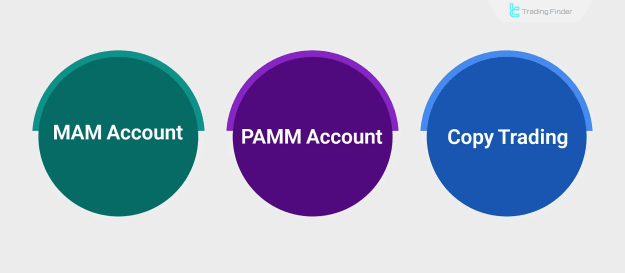
PAMM vs. MAM vs. Copy Trading
While all three models enable indirect investing, they differ in execution:
- PAMM: Pooled funds, no investor control, profit-sharing.
- Copy Trading: Individual accounts, optional trade copying, adjustable risk.
- MAM (Multi-Account Manager): Customizable trade allocation, partial investor control.
Risks and Costs of PAMM Accounts
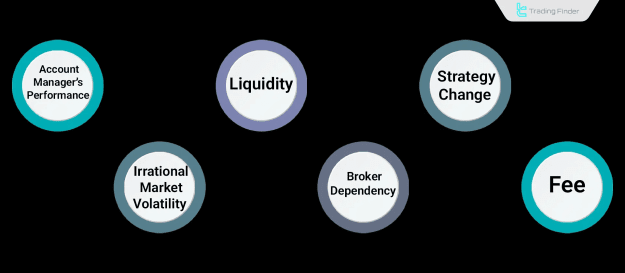
Potential Risks
- Manager Underperformance: Inconsistent results may lead to losses.
- Market Volatility: Extreme price swings can impact returns.
- Broker Risk: Unregulated brokers may pose security threats.
Fee Breakdown
- Performance Fee: 20%–30% of net profits.
- Management Fee: Rare; charged by some brokers regardless of profitability.
- Withdrawal Fees: Penalties for early exits.
Conclusion
PAMM accounts offer a passive investment avenue for forex traders seeking professional management. Success hinges on selecting a skilled manager, understanding fee structures, and partnering with a reputable broker. By evaluating performance history, risk parameters, and transparency, investors can optimize their PAMM account experience while mitigating potential downsides.
For those prioritizing convenience over active trading, PAMM accounts remain a viable solution—provided due diligence is applied.