

TP & SL Tool: Risk Reward Ratio Calculator RRR MT4 | Prop Firm Protector: Trade Assist Prop Firm Plus TF Expert MT4 | Money Management + DrawDown Protector: Trade Panel Prop Firm Drawdawn Limiter Pro MT4 |Get a free Expert Advisor license via Telegram and WhatsApp
Key Features of Scalping
- Ultra-Short-Term Positions
Trades are executed within seconds to minutes, targeting minimal price fluctuations. - High Trade Volume
Large position sizes are used to accumulate small but consistent gains. - Multiple Daily Trades
Scalpers open numerous trades each day to take advantage of various market opportunities. - Quick Response to Price Movements
Success depends on reacting immediately to short-term market changes.
Advantages and Disadvantages of Scalping
Advantages
- Lower market exposure compared to long-term trading
- Numerous trading opportunities within short intervals
- Ability to profit even in low-volatility markets
- Limited impact from macroeconomic events
- Generates small but frequent profits with minimal capital requirements
Disadvantages
- High transaction costs due to trade frequency and volume
- Requires continuous market monitoring and quick decision-making
- Demands strong precision and mental discipline
- Time-consuming and mentally exhausting
- Scalping may be restricted by certain brokers
Basic Principles of Scalping
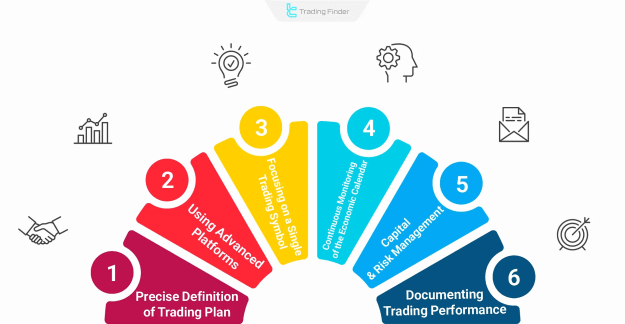
For effective scalping, adherence to essential principles is critical:
- Comprehensive Trading Plan
Define precise entry, exit, stop-loss, and take-profit levels before entering trades. - Fast and Reliable Platforms
Use trading platforms with quick execution such as Metatrader 4, Metatrader 5, or TradingView. - Focused Asset Analysis
Continuously analyze selected assets for real-time decision-making. - Monitoring Economic Calendars
Stay updated on economic events to anticipate price movements, using tools like TradingFinder’s Calendar. - Risk and Capital Management
Calculate position sizes based on defined risk parameters. - Performance Recording
Document trade details for ongoing strategy optimization.
Types of Scalping Trades
Scalping methods vary depending on market conditions and trader objectives:
- News-Based Scalping
Executing trades during high volatility triggered by economic releases. - Liquidity-Based Scalping
Selecting assets with low spreads and high liquidity to minimize trading costs. - Algorithmic Scalping
Using automated trading systems for rapid market entries and exits. - Technical Analysis-Based Scalping
Utilizing technical indicators and chart patterns to determine trade setups. - Trend-Based Scalping
Trading in the direction of prevailing market trends to maximize quick profits. - Tick Scalping
Targeting the smallest price movement units (ticks) in highly liquid markets.
Scalping Across Different Markets
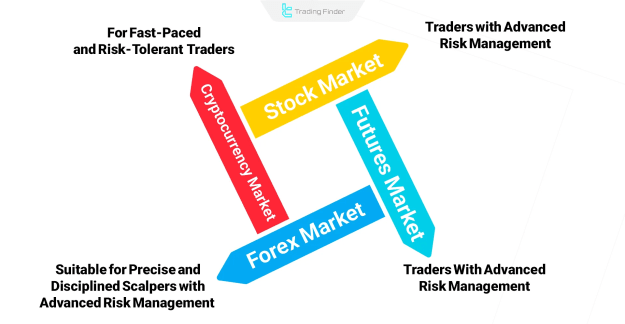
Scalping in Forex
- High Liquidity
Major currency pairs offer optimal liquidity for fast executions. - Low Spreads
Tight spreads allow scalpers to maximize net profits. - News Sensitivity
Economic events can significantly influence short-term market movements.
Scalping in Cryptocurrency
- 24/7 Market Access
Enables continuous trading opportunities. - High Volatility
Frequent short-term volatility in major pairs such as BTC/USDT and ETH/USDT.
Scalping in Stock Markets
- Limited to Trading Hours
Scalping is conducted only during official market sessions. - Influence of Company News
Earnings reports and corporate updates create potential trade opportunities. - Higher Fees
Transaction costs and taxes can reduce overall profitability.
Scalping in Futures Markets
- High Leverage Availability
Facilitates larger position sizes with relatively small capital. - Fast Market Movements
Futures indices such as S&P500 or Dow Jones exhibit quick fluctuations ideal for scalping. - Risk of Liquidation
Incorrect leverage use can lead to total account loss.
Psychology of Scalping
- Emotional Control
Managing fear, greed, and stress is fundamental for scalping success. - Quick Decision-Making
Executing trades confidently without hesitation is essential. - Stress Management
Regular breaks prevent mental fatigue and emotional trading. - Discipline and Adherence
Strictly follow the trading plan without impulsive changes. - Statistical Perspective
Understand that both profits and losses are inherent to trading, maintaining realistic expectations.
Best Time Frames for Scalping
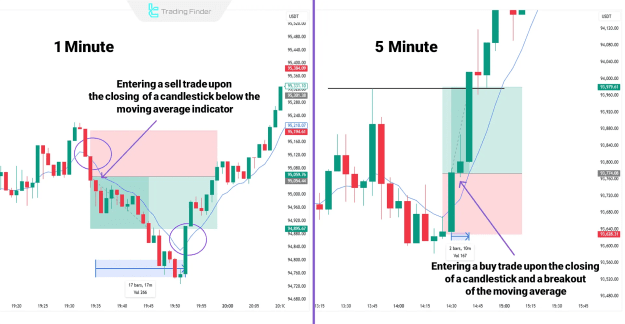
- Preferred Intervals
The 1-minute and 5-minute charts offer ideal setups for rapid entries and exits. - Multi-Timeframe Analysis
Higher time frames such as 30-minute and 1-hour charts are used to identify key levels and trends.
Best Trading Times for Scalping in Forex and Crypto
Optimal periods include:
- London and New York sessions
- Kill zones
- Times of significant economic data releases
These sessions provide high liquidity and volatility suitable for scalping.
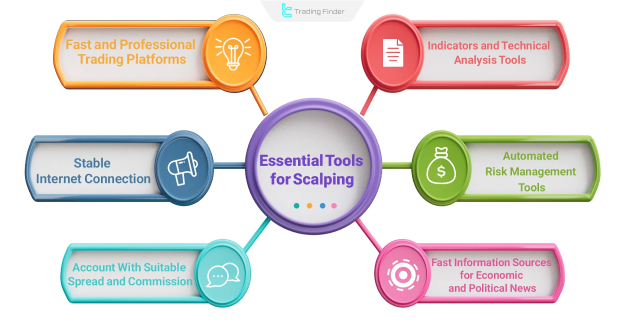
Essential Tools for Scalping
- Fast execution trading platforms
- Stable internet connections
- Accounts with low spreads and competitive commissions
- Technical indicators and analytical tools
- Reliable news sources for real-time updates
- Automated risk management tools and Expert Advisors
Capital Management in Scalping
Effective capital management is vital in scalping due to rapid trade execution:
- Fixed Risk Per Trade
Limit each trade to a maximum of 1% of total capital. - Appropriate Position Sizing
Calculate based on stop-loss distance and acceptable risk levels. - Tight Stop-Losses
Use short stop-loss levels to reduce potential losses. - Profit-To-Loss Ratios
Typically set at around 1:1 for scalp trades. - Limited Daily Trades
Avoid over-trading by restricting to 3-5 trades per session.
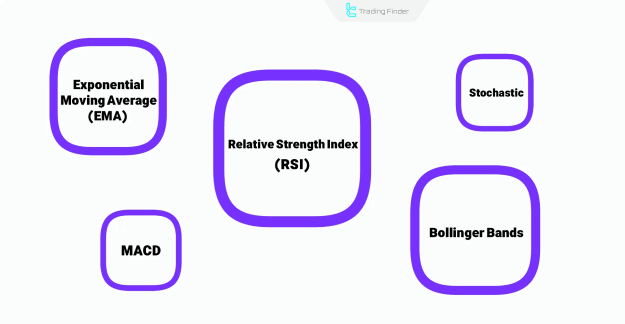
Best Indicators for Scalping
- Exponential Moving Average (EMA)
Defines market trends; use 9- and 21-period EMAs for pullback entries. - Relative Strength Index (RSI)
Detects overbought or oversold conditions; apply shorter periods (7 or 14) for fast signals. - Stochastic Oscillator
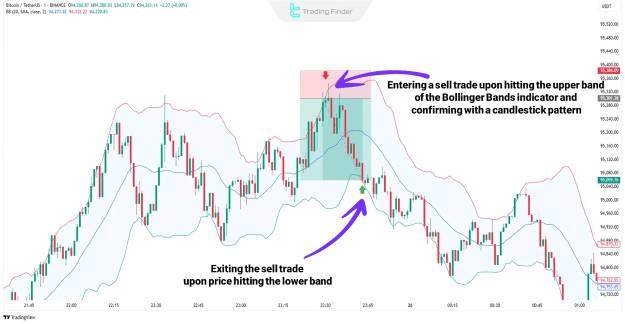
Identifies reversal points; monitor crossovers in extreme zones for short-term trades. - Bollinger Bands
Highlights price squeezes and breakouts for reversal or continuation setups. - MACD
Shows trend initiation through crossovers; use settings such as 5-13-1 for faster reactions.
Indicators should be backtested and optimized according to the trader’s strategy before live implementation.
Important Tips for Successful Scalping
- Focus on highly liquid assets for fast executions
- Use strict risk and money management with defined stop-loss and take-profit levels
- Understand that scalping targets small, consistent gains rather than large profits
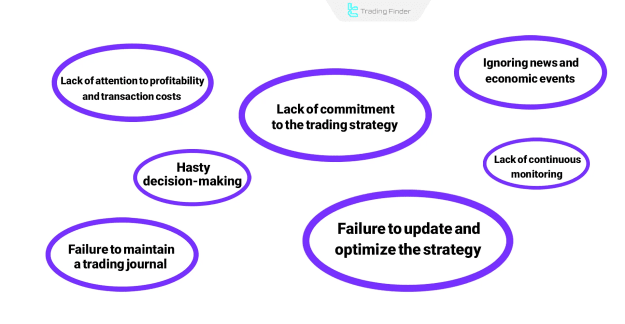
Common Mistakes in Scalping
- Ignoring trading costs, including spreads and commissions
- Trading emotionally without following a strategy
- Making impulsive decisions without analysis
- Neglecting to optimize and update strategies
- Failing to monitor trades and sudden market changes
- Misusing leverage, leading to increased risk
- Not documenting trades for performance evaluation
- Overlooking major news events that may cause unexpected volatility
Final Conclusion
Scalping is a high-intensity trading strategy that demands speed, precision, and discipline. Focus on liquid assets, tight spreads, and fast execution to capitalize on micro price movements. Strict risk management—like 1% risk per trade—is essential to protect capital. While scalping offers frequent opportunities, it requires constant focus and emotional control. Master these elements, and scalping can become a profitable short-term trading approach.