

TP & SL Tool: Risk Reward Ratio Calculator RRR MT5 | Prop Firm Protector: Trade Assist Prop Firm Plus TF Expert MT5 | Money Management + DrawDown Protector: Trade Panel Prop Firm Drawdawn Limiter Pro MT5 |Get a free Expert Advisor license via Telegram and WhatsApp
What is Price Action?
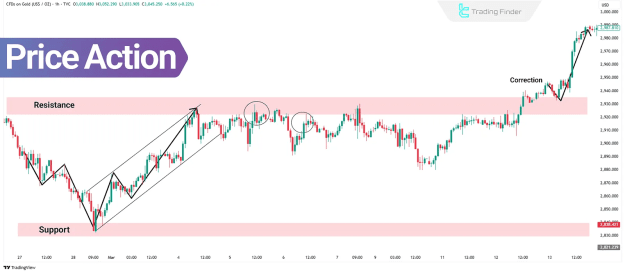
Price action refers to the movement of an asset's price over time, analyzed without relying on technical indicators. Instead, traders focus on raw price behavior, studying trends, key levels, chart patterns, and candlestick formations.
This method provides a clear, unfiltered view of the market, helping traders understand the underlying psychology of buyers and sellers. Price action trading is versatile and can be applied across various markets—Forex, stocks, commodities, and cryptocurrencies—in any timeframe.
Key Concepts in Price Action Trading
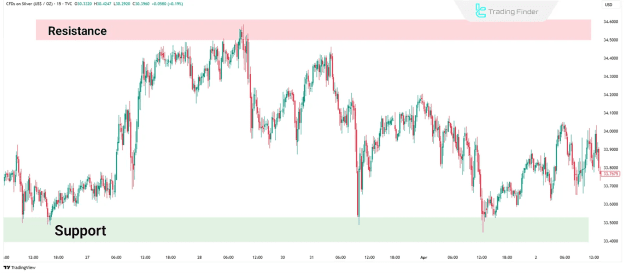
1. Support and Resistance
Support and resistance are foundational to price action analysis.
- Support is a price level where buying interest increases, preventing further decline.
- Resistance is where selling pressure strengthens, halting upward movement.
Breakouts or reversals at these levels can signal trend continuation or reversal.
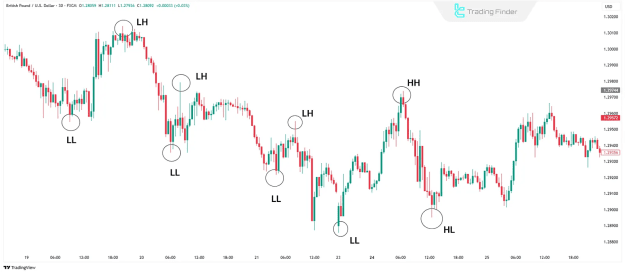
2. Trends
Identifying trends is crucial for aligning trades with market direction.
- Uptrend: Higher highs and higher lows.
- Downtrend: Lower highs and lower lows.
Swing highs and swing lows help confirm trend strength.
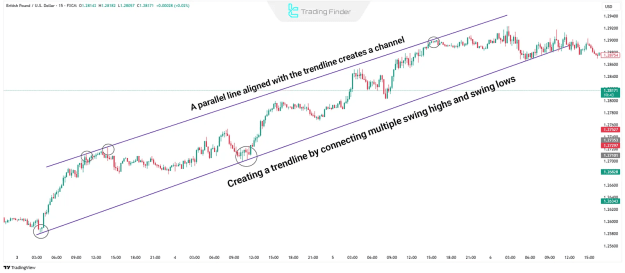
3. Trendlines and Price Channels
- A trendline connects swing highs or lows, showing market direction.
- A price channel forms with parallel lines, helping traders identify potential entry and exit points.
4. Candlestick Patterns
Candlestick formations reveal market sentiment. Common patterns include:
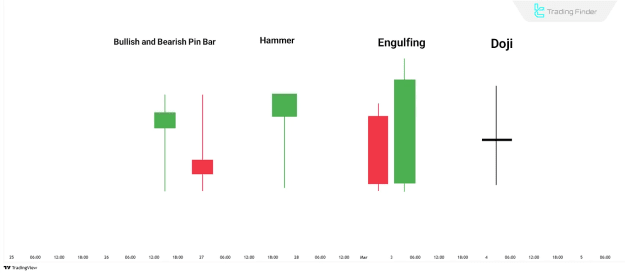
- Pin Bar, Hammer, Shooting Star: Long wicks indicate rejection of price levels.
- Engulfing Pattern: A candle fully engulfs the previous one, signaling a shift in momentum.
- Doji: Reflects market indecision with a small body.
5. Chart Patterns
Key chart patterns in price action trading:
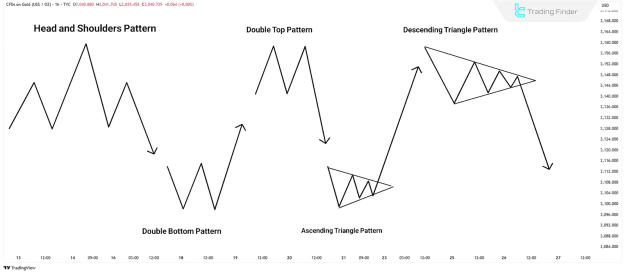
- Head and Shoulders: A reversal pattern indicating trend exhaustion.
- Double Top/Bottom: Suggests potential trend reversals.
- Triangles (Ascending, Descending, Symmetrical): Consolidation before a breakout.
6. Breakouts
A breakout occurs when price moves beyond a key level or pattern. High-volume breakouts often indicate strong momentum.
7. Reversals and Retracements
- Reversal: A complete trend change (e.g., uptrend to downtrend).
- Retracement: A temporary pullback within a trend.
Fibonacci retracement levels help identify potential reversal zones.
8. Volume and Volatility
- Volume confirms the strength of price movements.
- Volatility affects pattern reliability—higher volatility often leads to stronger breakouts.
How to Trade Using Price Action
Step-by-Step Price Action Strategy
- Use a Clean Chart – Remove indicators; focus solely on price movement.
- Identify Market Structure – Determine if the market is trending or ranging using swing highs/lows.
- Spot Key Levels – Mark support/resistance zones and observe price reactions.
- Analyze Patterns – Look for candlestick or chart formations signaling reversals or continuations.
- Confirm with Volume – Ensure breakouts or reversals are supported by trading volume.
Designing a Price Action Trading Strategy
- Select a Pattern – Choose reliable formations (e.g., pin bars at support/resistance).
- Choose a Timeframe – Align with your trading style (scalping, swing, or position trading).
- Follow the Trend – Trade in the direction of the dominant trend.
- Define Entry, Stop Loss, and Take Profit – Plan risk management before entering a trade.
- Backtest the Strategy – Validate effectiveness using historical data.
Example of a Price Action Trade
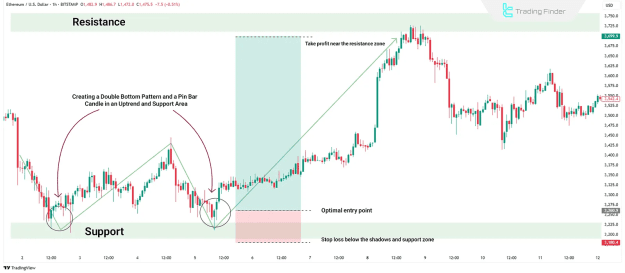
- Setup: A bullish pin bar forms at a support level in an uptrend.
- Entry: Enter long after the candle closes.
- Stop Loss: Place below the pin bar’s low.
- Take Profit: Target the next resistance level.
Risk Management in Price Action Trading
- Set stop losses beyond pattern boundaries.
- Maintain a risk-reward ratio of at least 1:2.
- Adjust position size based on account balance and risk tolerance.
Conclusion
Price action trading is a powerful method that eliminates lagging indicators, providing direct insight into market behavior. By mastering trends, support/resistance, and candlestick patterns, traders can make informed decisions with high precision.
Whether trading Forex, stocks, or crypto, price action offers a universal framework for analyzing and profiting from market movements.