

TP & SL Tool: Risk Reward Ratio Calculator RRR MT5 | Prop Firm Protector: Trade Assist Prop Firm Plus TF Expert MT5 | Money Management + DrawDown Protector: Trade Panel Prop Firm Drawdawn Limiter Pro MT5 |Get a free Expert Advisor license via Telegram and WhatsApp
Understanding Market Expectations
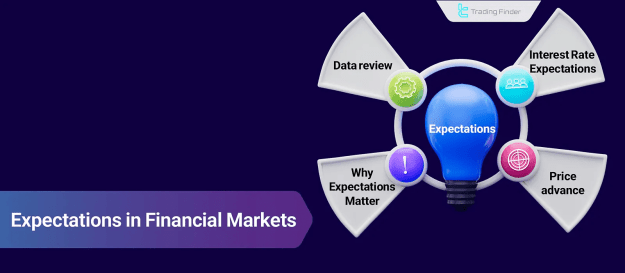
In financial markets, expectations play a crucial role in driving price volatility even before official data is released. Traders buy or sell assets based on their forecasts, leading to significant market fluctuations ahead of economic announcements.
Market expectations stem from various factors, including:
- Anticipated economic data (e.g., GDP, inflation, employment figures)
- Political events (elections, policy changes)
- Central bank decisions (interest rate adjustments)
- Geopolitical tensions
These expectations shape trading behavior, making them a key driver of short-term price movements.
Market Expectations vs. Actual Data: How They Influence Prices
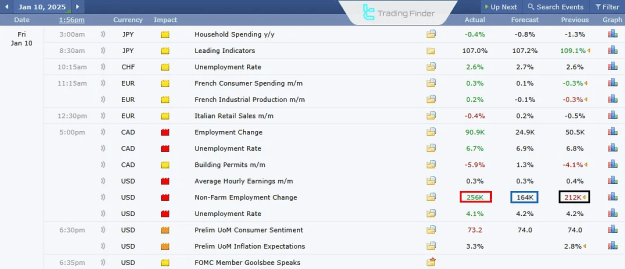
To assess market reactions, traders compare forecasts with actual data. Economic reports typically include three key metrics:
- Previous: The last reported figure (sometimes revised).
- Forecast (Expectations): Analyst predictions that guide pre-release trading.
- Actual: The official data released by institutions.
Example: Non-Farm Payrolls (NFP) Data
Consider the December 2024 NFP report:
- Previous: 180K jobs
- Forecast: 200K jobs
- Actual: 250K jobs
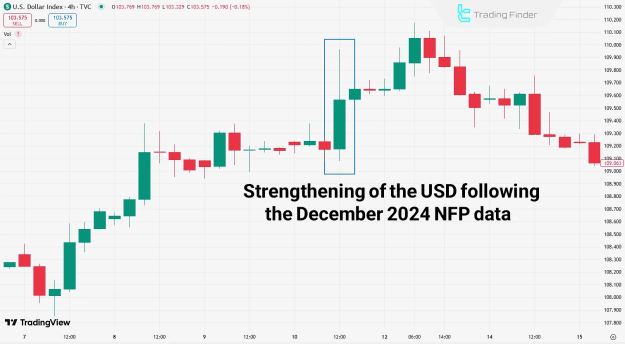
Since the actual data significantly exceeded expectations, the U.S. dollar strengthened as traders adjusted positions based on the surprise.
Why Are Market Expectations So Important?
Financial markets are forward-looking, meaning prices reflect future expectations rather than just current conditions. Key reasons why expectations matter:
- Pre-Event Volatility: Traders position themselves before data releases, causing price swings.
- "Priced In" Effect: If the market expects a Fed rate cut, the dollar may weaken before the official decision.
- Revisions Matter: Adjustments to prior data (e.g., inflation revisions) can trigger unexpected reactions.
Case Study: U.S. Election Impact on the Dollar
Before the 2024 U.S. elections, the dollar rallied due to expectations of higher tariffs under a potential Trump administration—even though no policies were yet implemented. This demonstrates how anticipation drives markets.
What Does "Priced In" Mean?
When an event or data outcome is "priced in," it means the market has already adjusted based on expectations.
Example:
- If traders expect a Fed rate cut, the dollar may decline before the meeting.
- If the cut happens as expected, the market may not react strongly—since it was already anticipated.
- A surprise hold or hike, however, could trigger sharp movements.
Tracking Interest Rate Expectations
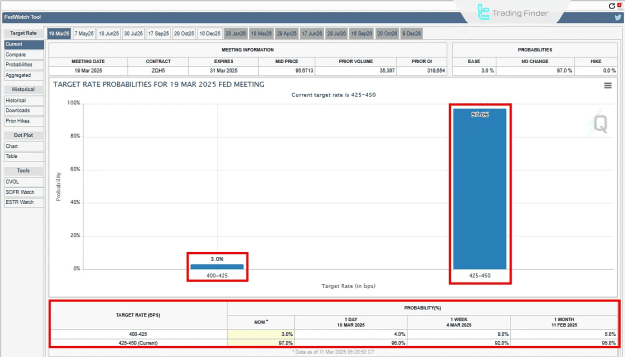
For Federal Reserve rate decisions, traders rely on tools like the CME FedWatch Tool, which shows market-implied probabilities of rate changes.
Example: January 2025 Fed Meeting Expectations
- 97% probability: Rates remain unchanged
- 3% probability: Rate cut
Such insights help traders gauge sentiment and adjust strategies accordingly.
Conclusion
Market expectations are a powerful force in financial markets, often driving price action before official data is released. Successful traders must:
- Monitor economic forecasts and analyst consensus.
- Watch for revisions to previous data.
- Stay updated on central bank signals and political developments.
By understanding how expectations shape prices, traders can better anticipate volatility and make informed decisions.