

TP & SL Tool: Risk Reward Ratio Calculator RRR MT5 | Prop Firm Protector: Trade Assist Prop Firm Plus TF Expert MT5 | Money Management + DrawDown Protector: Trade Panel Prop Firm Drawdawn Limiter Pro MT5 |Get a free Expert Advisor license via Telegram and WhatsApp
Who Are the Major Forex Market Players?
The forex market consists of various participants, ranging from central banks to retail traders. Each player contributes to market dynamics in different ways:
- Central Banks
- Liquidity Providers (Banks & Electronic Systems)
- Large Commercial Corporations
- Speculators (Hedge Funds & Retail Traders)
1. Central Banks: The Most Powerful Market Makers
Central banks play a crucial role in forex markets by implementing monetary policies that affect currency valuations. Their actions include:
- Interest Rate Adjustments: Raising rates can strengthen a currency, while cutting rates may weaken it.
- Market Interventions: Direct buying/selling of currencies or verbal interventions to stabilize or influence exchange rates.
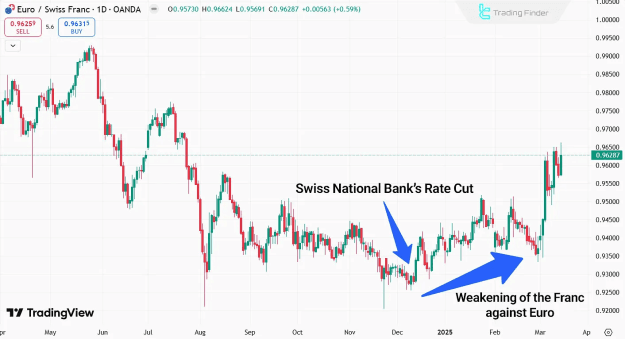
Example: Swiss National Bank (SNB) Intervention
To prevent excessive Swiss Franc (CHF) appreciation, the SNB lowered interest rates and threatened monetary intervention, successfully weakening the CHF against the Euro (EUR).
2. Large Banks & Liquidity Providers
Major financial institutions act as market makers by:
- Providing liquidity through high-volume trading.
- Earning profits from spreads (the difference between bid and ask prices).
- Influencing short-term price fluctuations with large orders.
Electronic Liquidity Providers (ELPs)
ELPs use AI-driven algorithms to:
- Execute rapid trades based on market conditions.
- Profit from arbitrage opportunities and spreads.
- Receive fees from brokers for enhancing liquidity.
3. Large Commercial Companies & Hedging Strategies
Multinational corporations impact forex markets through:
- Currency conversions for international trade (e.g., Apple converting USD to CNY for Chinese suppliers).
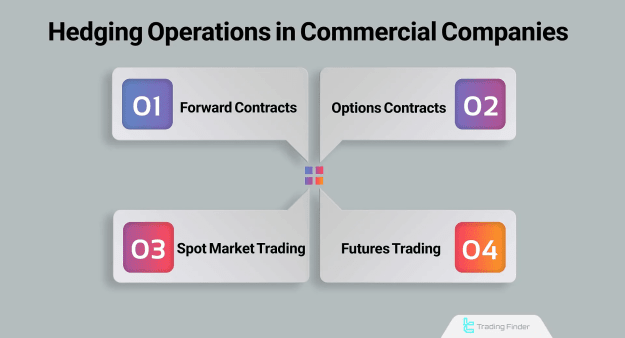
- Hedging against forex risks using:
- Forward Contracts (locking in future exchange rates).
- Options Contracts (buying puts/calls to mitigate losses).
- Spot & Futures Trading (direct market participation).
4. Speculators: Hedge Funds & Retail Traders
Hedge Funds ("Smart Money")
- Utilize advanced algorithms and deep market analysis.
- Drive short-term trends with high-volume trades.
- Their positions can be tracked via COT (Commitments of Traders) reports.
Retail Traders
- Make up ~90% of trading volume.
- Rely on technical & fundamental analysis.
- Emotional trading (fear/greed) can cause short-term volatility.
Conclusion
Forex market makers—central banks, liquidity providers, hedge funds, and corporations—dictate currency movements. By monitoring their activities (e.g., COT reports, monetary policies), traders can anticipate trends and make informed decisions.
Understanding these players helps traders align strategies with "smart money" flows for better trading outcomes.