

TP & SL Tool: Risk Reward Ratio Calculator RRR MT5 | Prop Firm Protector: Trade Assist Prop Firm Plus TF Expert MT5 | Money Management + DrawDown Protector: Trade Panel Prop Firm Drawdawn Limiter Pro MT5 |Get a free Expert Advisor license via Telegram and WhatsApp
What Is a Trading Strategy?
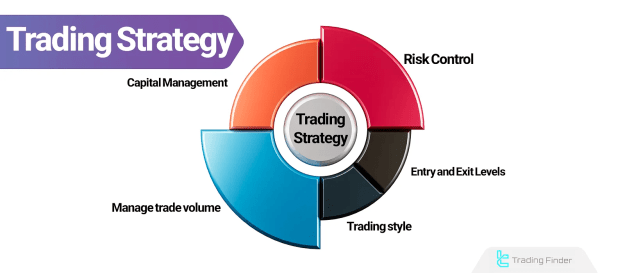
A trading strategy serves as a disciplined framework that controls emotions, determines trading style, sets trade sizes, and specifies entry and exit criteria, along with risk and capital management rules. This structured method enables traders to consistently make informed decisions regardless of market conditions.
Importance of a Trading Strategy
Market prices fluctuate due to factors like supply and demand, economic data releases, and investor sentiment. Trading without clear rules often results in impulsive decisions. Key reasons to use a trading strategy include:
- Capital and Risk Management:
Define position sizes and use stop-loss orders to limit losses and protect capital. - Prevent Emotional Decisions:
Avoid trading based on fear, greed, or hype by following objective rules. - Consistency and Repeatability:
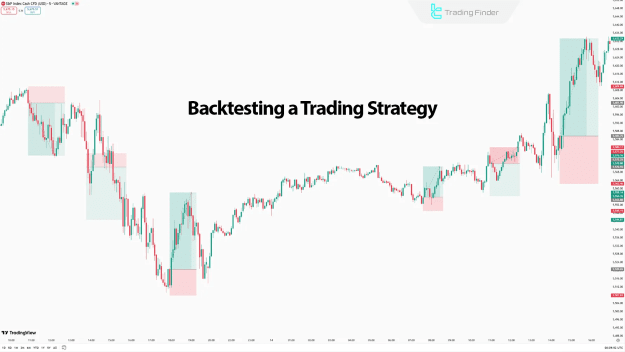
Ensure systematic trade execution to analyze and improve performance. - Backtesting and Optimization:
Test strategies against historical data to evaluate effectiveness before live trading.
Essential Elements of a Trading Strategy
An effective trading strategy includes clear rules for entry and exit, risk exposure, and capital allocation.
Entry Criteria
Entry signals should be based on objective indicators such as price patterns, key level breakouts, volume shifts, or technical tools.
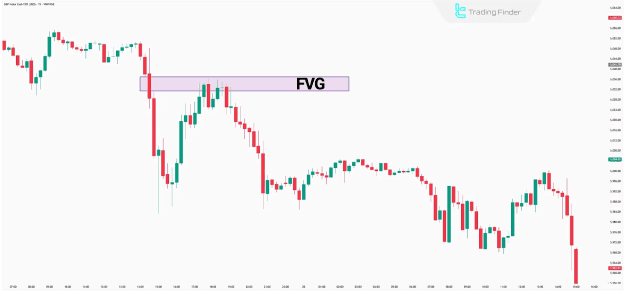
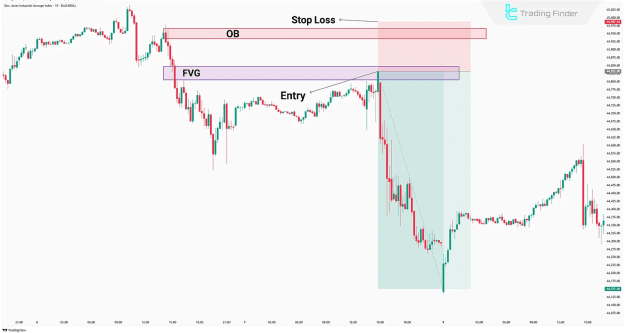
- Example: An ICT-style strategy may enter trades when price retraces to a Fair Value Gap (FVG); if the price does not revisit this zone, the trade is skipped.
Exit Criteria
Exit rules must specify how to take profits and limit losses:
- Take Profit: Close trades at target levels like resistance or swing highs.
- Stop Loss: Exit trades when price breaks support or invalidates the trade setup.
Capital Allocation and Position Sizing
Determine the amount of capital to risk per trade based on account size and risk tolerance.
- For example, risking 2% of capital per trade allows recovery from losses, while risking 50% risks quick account depletion.
Risk Management Tools
Implement methods to control losses and protect profits:
- Trailing Stops: Move stop-loss orders as the trade becomes profitable.
- Risk-Reward Ratios: Maintain a favorable balance between potential risk and reward (e.g., 1:2 ratio).
Market Conditions and Timeframes
Adapt trading approach based on market environment and chosen timeframe:
- Scalping: Focus on quick trades in low timeframes with smaller targets.
- Swing Trading: Target larger moves on higher timeframes over days or weeks.
Types of Trading Strategies
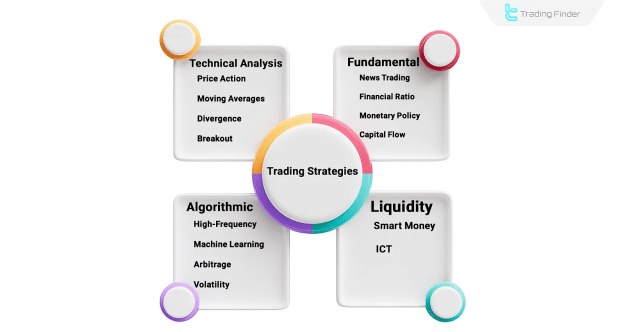
Strategies vary by analytical approach and market focus:
Technical Analysis
Based on price action, indicators, and volume:
- Candlestick patterns, moving averages, RSI/MACD divergence, breakout trading.
Fundamental Analysis
Focuses on economic data, financial ratios, and macro trends:
- News trading, interest rate impacts, capital flows.
Algorithmic and Quantitative Strategies
Use automated systems and AI:
- High-frequency trading, arbitrage, machine learning.
Liquidity and Institutional Strategies (ICT & Smart Money Concepts)
Target liquidity pools and institutional order flow:
- Order blocks, fair value gaps, market maker behavior.
Building Your Trading Strategy: Step-by-Step
- Choose Market & Timeframe: Based on liquidity and volatility.
- Select Analysis Method: Technical, fundamental, algorithmic, or liquidity-based.
- Define Entry & Exit Rules: Clear signals and protective stops.
- Set Capital & Risk Limits: Determine trade size and risk tolerance.
- Backtest & Optimize: Evaluate on historical data and demo accounts.
- Monitor & Refine: Track live performance and adjust as needed.
Conclusion
A disciplined trading strategy combines clear entry/exit rules, effective capital management, and adaptive risk control. This systematic approach reduces emotional errors and increases the likelihood of consistent profitability in dynamic markets.