

TP & SL Tool: Risk Reward Ratio Calculator RRR MT5 | Prop Firm Protector: Trade Assist Prop Firm Plus TF Expert MT5 | Money Management + DrawDown Protector: Trade Panel Prop Firm Drawdawn Limiter Pro MT5 |Get a free Expert Advisor license via Telegram and WhatsApp
What Is Margin in Trading?
Margin is the minimum deposit a trader must maintain in their account to open a leveraged position. It acts as collateral, ensuring that traders can cover potential losses. Brokers use margin to mitigate risk, allowing traders to control larger positions with a fraction of the total trade value.
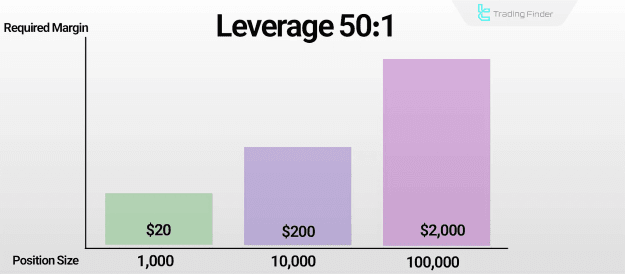
For example, if a broker requires a 2% margin, a trader must deposit $2,000 to open a $100,000 position. Margin requirements vary by asset class and broker policies.
What Is Leverage in Trading?
Leverage enables traders to control larger positions with a smaller initial investment. Expressed as a ratio (e.g., 50:1), it magnifies both profits and losses. Higher leverage increases exposure, making risk management essential.
Example of Leverage Calculation:
- With $4,000 capital and 25:1 leverage, a trader controls $100,000.
- At 75:1 leverage, the same $4,000 allows trading up to $300,000.
While leverage enhances profit potential, it also escalates risk, requiring disciplined capital management.
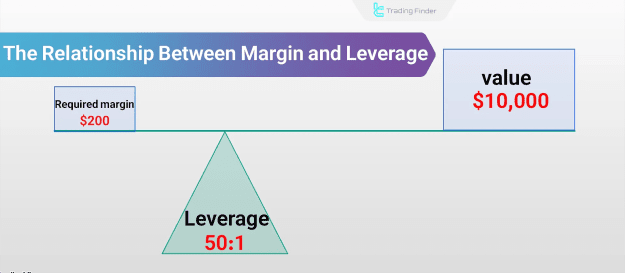
The Relationship Between Margin and Leverage
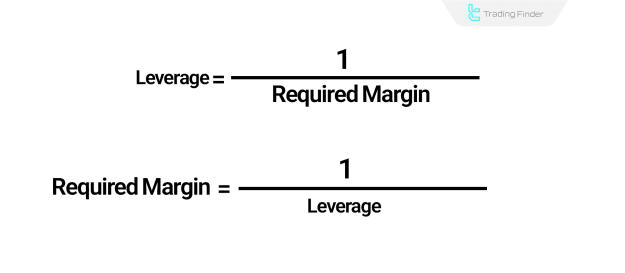
Margin and leverage share an inverse relationship:
- Lower margin requirements = Higher leverage (greater buying power).
- Higher margin requirements = Lower leverage (reduced exposure).
Key Differences Between Margin and Leverage
- Margin is the collateral needed to open trades, limiting potential losses to the deposited amount.
- Leverage multiplies trading capacity, amplifying both gains and risks.
Risk Implications:
- High leverage can lead to significant losses if markets move unfavorably.
- Proper margin management helps mitigate excessive risk exposure.
Margin and Leverage in Different Markets
Forex Market
- Standard leverage ratios range from 50:1 to 500:1.
- Margin requirements are typically low (1%-5%).
Stock Market
- Leverage is lower (often 2:1 to 5:1).
- Margin trading involves borrowing funds from brokers.
Cryptocurrency Trading
- Extremely high leverage (up to 100:1 or more).
- Volatility demands strict risk controls.
Risk Management Strategies
- Use Stop-Loss Orders: Limits potential losses.
- Avoid Over-Leveraging: High leverage increases liquidation risks.
- Monitor Margin Levels: Prevents forced position closures.
Conclusion
Margin and leverage are powerful tools that enhance trading opportunities but require careful management. Understanding their relationship helps traders optimize capital efficiency while minimizing risks. By applying disciplined strategies, traders can navigate volatile markets effectively.
For precise margin calculations, traders can utilize specialized tools provided by brokers or financial platforms.