

Key Considerations Before Buying NFTs
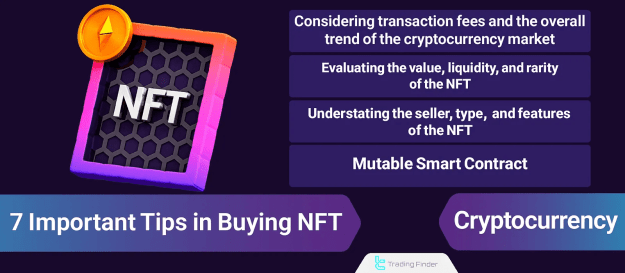
Before purchasing an NFT for investment purposes, thorough research on the asset, smart contract, development team, and market trends is crucial. Below are the most important factors to assess:
1. Research the Product and Seller
Many NFT projects are fraudulent, created by anonymous scammers who abandon the project post-sale. Verifying the seller and development team is essential, as their credibility influences the NFT’s long-term value, updates, and ecosystem growth.
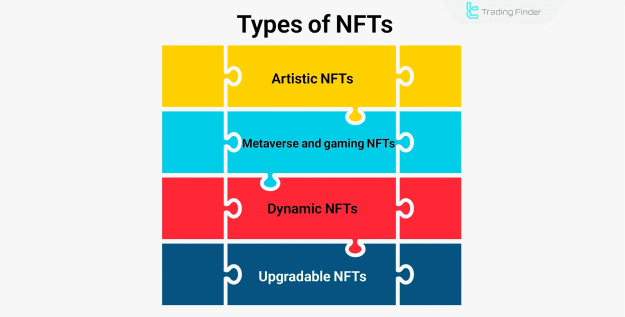
2. Understand NFT Types and Features
NFTs come in various forms, each with distinct characteristics:
- Art NFTs: Digital artworks (e.g., music, visual art) often supporting creator royalties.
- Gaming & Metaverse NFTs: In-game assets or virtual land with utility in blockchain-based worlds.
- Dynamic NFTs: Tokens that evolve based on real-world data (e.g., sports performance).
- Upgradable NFTs: Allow manual modifications by developers or owners.
3. Smart Contract Mutability
Smart contracts can be either:
- Mutable: Developers can alter contract terms (e.g., royalties, metadata).
- Immutable: No changes possible after deployment.
Investors should check if modifications are permitted and whether the contract discloses potential updates to avoid unexpected value fluctuations.
4. Monitor Crypto Market Trends
NFT prices are heavily influenced by broader cryptocurrency market trends. Macroeconomic factors, regulatory news, and Bitcoin/Ethereum price movements can significantly impact NFT valuations.
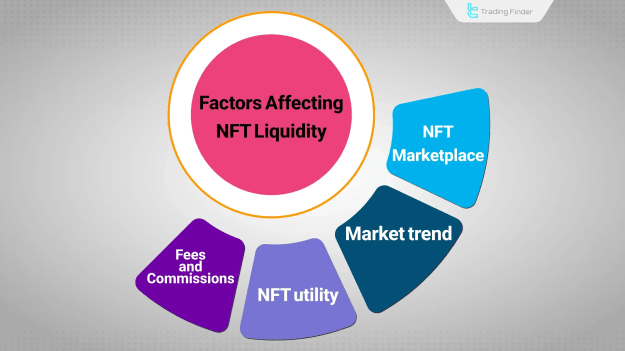
5. Assess NFT Liquidity
Liquidity depends on:
- Marketplace Activity: High-volume platforms like OpenSea enhance liquidity.
- Demand Trends: Popular collections (e.g., Bored Ape Yacht Club) trade more easily.
- Utility: NFTs with real-world use cases (e.g., gaming, memberships) attract more buyers.
- Transaction Costs: Lower fees improve liquidity by encouraging trading.
6. Evaluate Token Rarity and Value
Key factors in determining an NFT’s worth include:
- Collection Popularity: Strong community engagement and partnerships boost value.
- Transaction History: Rising prices and high trading volume indicate demand.
- Utility: NFTs offering exclusive access or in-game benefits hold higher value.
- Rarity: Tools like Rarity.tools rank NFTs based on scarcity and unique traits.
7. Factor in Transaction Fees
Buyers should account for:
- Network Fees: Vary by blockchain (Ethereum gas fees can be high during congestion).
- Platform Fees: Marketplaces charge commissions on sales.
- Wallet Transfer Costs: Differ across blockchains.
Final Thoughts
Successful NFT investing requires due diligence on the seller, asset authenticity, smart contract security, liquidity, and market conditions. Additionally, trending collections and trading volume can signal short-term opportunities. By following these guidelines, investors can make informed decisions and mitigate risks in the volatile NFT market.