

Key Characteristics of the ICT Trading Method
The ICT trading strategy is built upon several foundational principles that distinguish it from indicator-based approaches:
- Emphasis on price action and institutional order flow;
- Identification of key liquidity zones used by major financial entities;
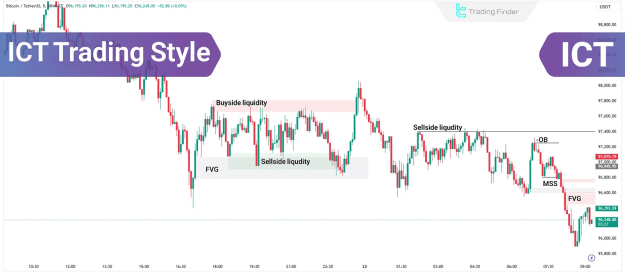
- Application of Smart Money concepts such as Order Blocks, Liquidity, and Market Structure Shifts (MSS);
- Rejection of conventional lagging indicators in favor of raw market data;
- Understanding of manipulative market behaviors, including inducements and false moves.
Is the ICT Trading Style Right for You?
The ICT method is most effective for traders who:
- Seek to deepen their knowledge through structured forex education;
- Want to understand institutional market dynamics and decision-making;
- Are willing to engage in detailed chart analysis and research;
- Possess the discipline and emotional control necessary for strategic trading.
However, this approach may not suit everyone. It can be challenging for:
- Beginners who require more straightforward, entry-level strategies;
- Traders looking for automated signals or fast-paced setups;
- Individuals without the time to commit to continuous learning and backtesting.
Practical Guidance for Using the ICT Strategy
To apply the ICT methodology effectively, consider these essential tips:
- Be patient: Concepts like Order Blocks and Fair Value Gaps (FVGs) require time to master;
- Use strict risk management: Define your risk parameters before executing any trade;
- Stay informed: Market dynamics evolve—ongoing forex education is essential;
- Backtest consistently: Use historical data to evaluate and refine your trading strategy.
Pros and Cons of the ICT Trading Approach
Advantages
- Offers deep insight into institutional trading behavior;
- Encourages knowledge-based decision-making;
- Minimizes dependence on lagging indicators;
- Provides access to educational resources from industry expert Michael J. Huddleston.
Disadvantages
- Requires considerable time and dedication;
- Involves complex concepts and terminology;
- Increased risk of misinterpretation for those lacking experience or foundational training.
Core Concepts in ICT Trading: A Breakdown
Mastery of the ICT style depends on a solid understanding of its core terms and structures. Below is an overview of key concepts every ICT trader should grasp:
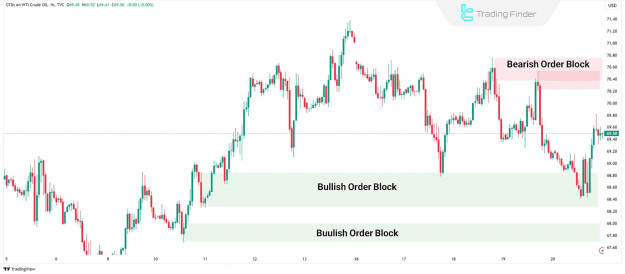
Order Block
Order Blocks are zones on a price chart where institutional traders have executed large orders. These areas often precede major reversals and function as critical
support or resistance levels. Recognizing Order Blocks helps traders forecast future market direction.
Smart Money
"Smart Money" refers to the capital controlled by institutional participants. ICT traders aim to detect and follow the footprints of Smart Money to avoid traps and trade in alignment with broader market forces.
Liquidity
Liquidity in ICT trading represents zones of concentrated stop-loss orders. There are two main types:
- Buy-side liquidity: Areas where short positions (sell stops) are clustered;
- Sell-side liquidity: Areas where long positions (buy stops) are located.
ICT theory posits that markets often sweep liquidity levels before reversing direction.
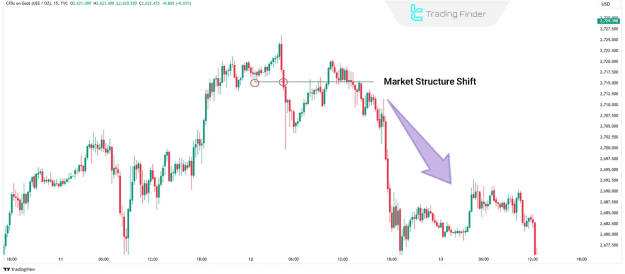
Market Structure Shift (MSS)
A Market Structure Shift indicates a potential change in the market's directional bias. For instance:
- In an uptrend: A new lower low or lower high suggests bearish intent;
- In a downtrend: A higher high or higher low signals possible bullish reversal.
MSS is a crucial element in identifying Smart Money's intention to transition market phases.
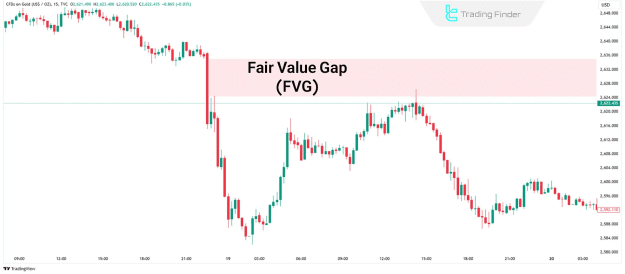
Fair Value Gap (FVG)
A Fair Value Gap is formed when rapid price movement creates an imbalance between two candles, resulting in a visible gap on the chart. These gaps often represent inefficiencies and are frequently revisited by price.
Inducement
Inducement refers to deceptive price movements engineered by market makers to lure retail traders into poor positions. These movements typically aim to trigger stop losses and create liquidity for larger institutional orders.
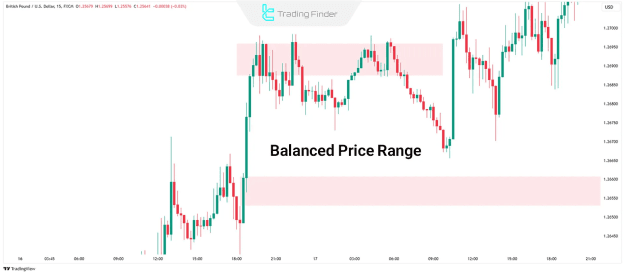
Balanced Price Range
A Balanced Price Range emerges when the price oscillates rapidly between support and resistance, forming a dual-sided FVG. These areas may signal impending market consolidation or reversal.
Final Thoughts
The ICT trading style, grounded in high-level forex education, offers traders a robust framework to interpret institutional market behavior and refine their entries and exits. While its complexity and learning curve may challenge beginners, those willing to commit to its study will benefit from a deep understanding of price action and institutional mechanics.
If your trading goals involve building long-term expertise, avoiding indicator clutter, and analyzing Smart Money movements, ICT may be the right fit. However, traders looking for quick setups or simplified systems may find the learning curve too steep.