

TP & SL Tool: Risk Reward Ratio Calculator RRR MT4 | Prop Firm Protector: Trade Assist Prop Firm Plus TF Expert MT4 | Money Management + DrawDown Protector: Trade Panel Prop Firm Drawdawn Limiter Pro MT4 |Get a free Expert Advisor license via Telegram and WhatsApp
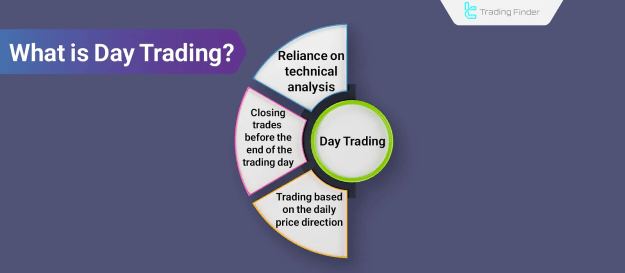
Due to the rapid pace of price changes, day traders must react quickly to market opportunities. This approach is best suited for individuals who can dedicate significant time to market analysis and trade management throughout the trading session.
Pros and Cons of Day Trading
Advantages
- Enables daily profit realization without overnight position risks
- Provides frequent trading opportunities due to market volatility
- Eliminates concerns about overnight market gaps from news events
- Accelerates trading skill development through high trade frequency
Disadvantages
- Carries higher risk due to leverage usage
- Requires substantial capital for margin requirements
- Demands strong emotional discipline to avoid impulsive decisions
- Incurs higher transaction costs from frequent trading activity
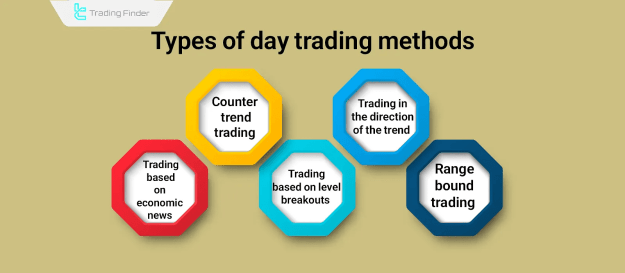
Primary Day Trading Methodologies
Trend-Following Strategy
Traders first identify the dominant trend direction using higher timeframes, then seek entry points aligned with this trend on lower timeframes. This method benefits from trading with the prevailing market momentum.
Counter-Trend Approach
This advanced technique involves identifying potential trend exhaustion points and entering positions anticipating trend reversals. While offering higher reward potential, it requires precise timing and carries greater risk.
Range Trading Technique
Traders identify well-established support and resistance levels, executing buy orders near support and sell orders near resistance. This strategy performs best in sideways markets with clear price boundaries.
Breakout Trading Method
This approach focuses on identifying consolidation patterns and entering trades when price breaks through established support or resistance levels with confirmation from trading volume.
News-Based Trading
This strategy centers around major economic announcements and news events. Traders must react quickly to news-driven price movements, requiring access to real-time news sources and rapid execution capabilities.
Comparing Day Trading and Swing Trading
Day trading and swing trading differ primarily in trade duration and time commitment:
- Trade Duration: Day trading closes all positions intraday, while swing trading holds positions for days or weeks
- Time Commitment: Day trading requires continuous market monitoring, whereas swing trading needs only periodic checks
- Trade Frequency: Day traders execute multiple trades daily, while swing traders make fewer, more selective trades
- Risk Profile: Day trading carries higher risk due to leverage and rapid decision-making requirements
Critical Success Factors for Day Traders
Market Liquidity Considerations
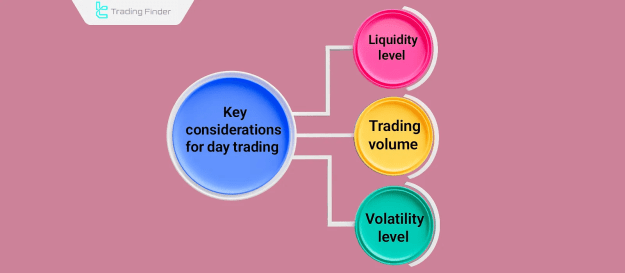
Traders should prioritize highly liquid instruments with tight bid-ask spreads to ensure efficient trade execution. Major currency pairs and large-cap stocks typically offer sufficient liquidity.
Volatility Requirements
Effective day trading requires adequate price movement. Traders often use indicators like Average True Range (ATR) to assess an asset's volatility characteristics.
Essential Risk Management Practices
- Implement strict stop-loss orders on every trade
- Limit risk exposure to 1-2% of capital per trade
- Maintain detailed trading journals for performance analysis
- Establish daily loss limits to prevent emotional trading
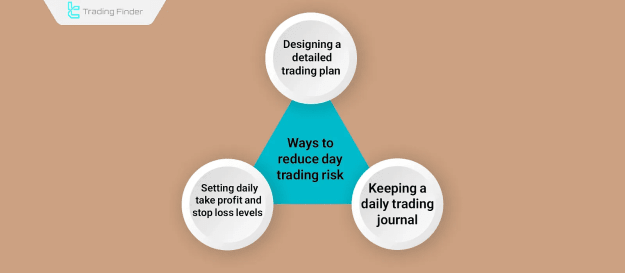
Risk Mitigation Strategies
Successful day traders employ several protective measures:
- Develop and adhere to a comprehensive trading plan
- Utilize stop-loss orders without exception
- Set daily maximum loss thresholds
- Avoid overtrading by being selective with setups
- Regularly review and refine trading strategies
Final Thoughts
Day trading represents a demanding yet potentially rewarding approach to financial markets. It requires discipline, technical proficiency, and the ability to make rapid decisions under pressure. By focusing on trend analysis, breakout strategies, and rigorous risk management, traders can navigate the challenges of intraday trading.
Whether trading currencies, equities, or cryptocurrencies, consistent success in day trading stems from methodical preparation, continuous education, and strict adherence to trading rules.