

TP & SL Tool: Risk Reward Ratio Calculator RRR MT4 | Prop Firm Protector: Trade Assist Prop Firm Plus TF Expert MT4 | Money Management + DrawDown Protector: Trade Panel Prop Firm Drawdawn Limiter Pro MT4 |Get a free Expert Advisor license via Telegram and WhatsApp
How Copy Trading Differs From Traditional Investing
Unlike conventional trading where investors make independent decisions, copy trading:
- Automatically mirrors all positions from a selected trader's account
- Requires no technical expertise from the copier
- Provides transparent performance metrics before selecting a signal provider
Key Benefits and Drawbacks of Copy Trading
Advantages
 Access to Expertise: Leverage proven trading strategies without years of study
Time Efficiency: Eliminates hours spent on market analysis
Diversification: Copy multiple traders across different asset classes
Transparency: View historical performance statistics before investing
Potential Risks
 Performance Dependency: Results directly tied to another trader's skill
Limited Control: Inability to modify individual trades
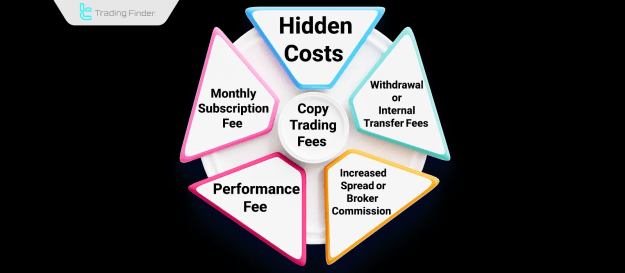
Hidden Costs: Some platforms charge performance fees or wider spreads
Execution Risk: Possible delays between original and copied trades
How Copy Trading Platforms Operate
The process involves three key steps:
- Account Setup: Register with a regulated copy trading platform
- Trader Selection: Evaluate signal providers based on:
- Historical returns
- Maximum drawdown
- Risk score
- Trading frequency
- Capital Allocation: Determine investment amount and risk parameters
Advanced platforms offer risk management tools including:
- Automatic stop copying triggers
- Position size multipliers
- Portfolio balancing across multiple traders
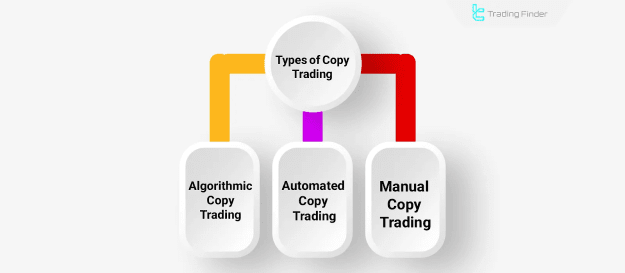
Types of Copy Trading Systems
1. Manual Copy Trading
- Users manually duplicate trades after receiving signals
- Provides more control but requires active monitoring
2. Automated Copy Trading
- Fully synchronized execution between accounts
- Requires no intervention after setup
3. Algorithmic Copy Trading
- Copies strategy logic rather than individual trades
- Allows custom risk parameters through API integration
Leading Copy Trading Platforms Comparison
eToro
- Minimum Investment: $200
- Key Feature: Social trading community with transparent performance stats
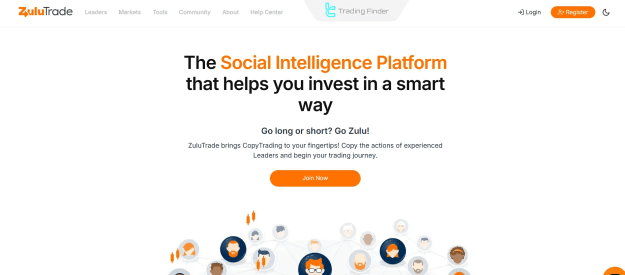
ZuluTrade
- Standout Feature: ZuluGuard risk protection system
- Trader Ranking: Proprietary ZuluRank scoring algorithm
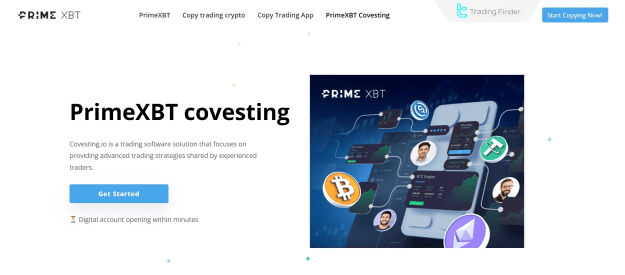
Covesting
- Unique Aspect: Integrated with PrimeXBT exchange
- Transparency: Real-time leaderboard with strategy details
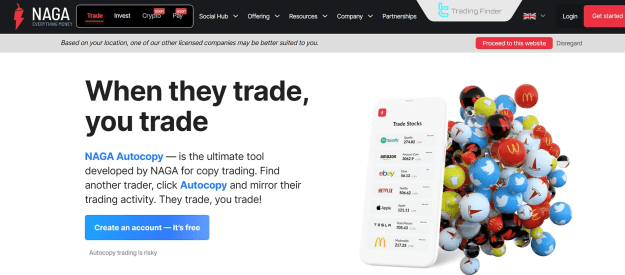
NAGA
- Differentiator: Combines social networking with auto-copy functionality
- Execution: One-click copy implementation
Critical Differences: Copy Trading vs. Similar Concepts
Copy Trading vs. Mirror Trading
- Copy Trading: Replicates live human decisions
- Mirror Trading: Follows pre-programmed algorithms
Copy Trading vs. Social Trading
- Copy Trading: Automatic execution without user input
- Social Trading: Requires manual trade implementation after seeing ideas
Essential Risk Management Considerations
Before engaging in copy trading:
Analyze at least 12 months of performance data
Diversify across 3-5 different signal providers
Test strategies using demo accounts first
Implement overall account stop-loss limits
Monitor copied trades regularly despite automation
Fee Structures in Copy Trading
Investors may encounter:
- Performance fees (20-30% of profits is common)
- Spread markups on copied trades
- Subscription charges for premium signal providers
- Withdrawal fees on some platforms
Final Recommendations
Copy trading presents an accessible entry point for novice investors and time-constrained individuals, but requires:
Due diligence in signal provider selection
Proper risk allocation across multiple traders
Ongoing performance monitoring
Understanding of all associated costs