
-
Australia raises rates for first time since late 2023 as inflation hits six-quarter high

Australia’s central bank raised its policy rate by 25 basis points to 3.85% on Tuesday, marking the Reserve Bank of Australia’s first rate hike since November 2023 as inflation continues to climb. The Reserve Bank of Australia’s move matched expectations from economists polled by Reuters and followed data showing inflation at its highest level in six quarters. The board voted unanimously to lift the cash rate, marking a reversal in direction after delivering three rate cuts in 2025. “Private demand is growing more quickly than expected, capacity pressures are greater than previously assessed and labour market ... (full story)
- Comments / Top
- Subscribe
-
Related Stories



Reserve Bank of Australia’s Bullock Says Inflation Momentum Is High BULLOCK SAYS AUSTRALIA CANNOT LET INFLATION SPIRAL OUT OF CONTROL ... Breaking | Reserve Bank of Australia's Governor Bullock confirms the board will prioritize data-driven decisions and will not issue forward guidance. RBA Governor Bullock signals longer path to target as inflation pulse remains too strong RBA Gov Bullock: No Talks on 50 Basis Point Hike
At its meeting today, the Board decided to increase the cash rate target by 25 basis points to 3.85 per cent. While inflation has fallen substantially since its peak in 2022, it picked up materially in the second half of 2025. The Board has been closely monitoring the economy and judges that some of the increase in inflation reflects greater capacity pressures. As a result, the Board considers that inflation is likely to remain above target for some time. Capacity pressures reflect, in part, the greater momentum in demand seen in recent months. Growth in private demand has strengthened substantially more than expected, driven by both household spending and investment. Activity and prices in the housing market are also continuing to pick up. Financial conditions eased over 2025 and it is uncertain whether they remain restrictive. Credit is readily available to both households and businesses and the effects of earlier interest rate reductions are yet to flow through fully to aggregate demand, prices and wages. More recently, the exchange rate, money market interest rates and government bond yields have risen following a rise in market expectations for the cash rate. Various indicators suggest that labour market conditions remain a little tight and that they have stabilised in recent months, in line with the pick-up in momentum in economic activity. The unemployment rate has been a little lower than expected and measures of labour underutilisation remain at low rates. Growth in the Wage Price Index has eased from its peak, but broader measures of wages growth continue to be strong and growth in unit labour costs remains high. There are uncertainties about the outlook for domestic economic acti Breaking | RBA Projects CPI Inflation at 4.2% for Q2 2024, Gradually Declining to 2.6% by Q2 2028. Just in | RBA Reports Stabilization of Tight Labour Market Conditions in Recent Months RBA highlights that recent data show inflationary pressures have strengthened, driven by higher private demand and capacity pressures. RBA says today’s policy decision was unanimous.
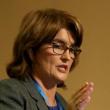
Bullock Says RBA Seeks to Curb Inflation Without Harming Jobs Breaking | Rising Inflation Raises Concerns of Long-Term Economic Impact BULLOCK SAYS RBA DOES NOT PLAN A SPECIFIC RATE TRAJECTORY ... RBA Gov Bullock: Economy Performing Well Despite Supply Limitations
